For many people, exposure to specific types of light doesn’t just cause discomfort—it triggers debilitating headaches or migraines. Whether it’s the harsh glare of fluorescent office lighting, the flicker of LED bulbs, or bright sunlight reflecting off glass, light sensitivity—known medically as photophobia—is a common yet often misunderstood condition. It affects millions worldwide, particularly those with migraines, concussions, eye disorders, or neurological conditions. Understanding the root causes and learning how to manage your environment can significantly reduce symptoms and improve quality of life.
Understanding Light Sensitivity and Headache Triggers
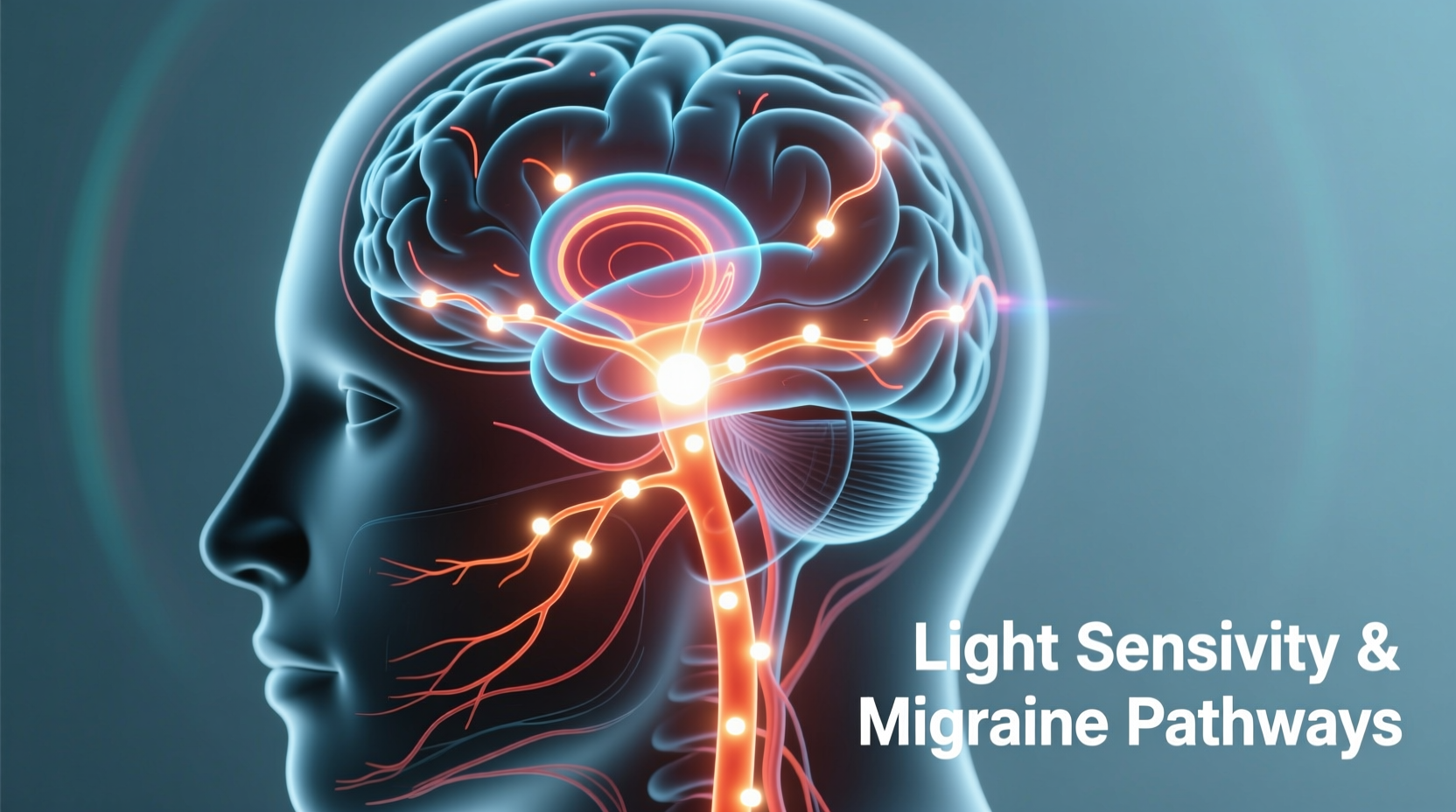
Light itself doesn’t directly cause headaches in most cases. Instead, certain qualities of light—such as intensity, flicker rate, color temperature, and direction—can overstimulate the visual pathways in the brain, especially in individuals with heightened neural sensitivity. This overstimulation may trigger pain signals or exacerbate existing neurological imbalances.
Photophobia is not an allergy to light but rather a symptom of underlying sensory processing issues. The term “phobia” is misleading; it doesn’t imply fear, but rather an abnormal intolerance. People with migraines, for example, often report that light worsens their pain even during an attack, and in some cases, bright or flickering lights can initiate the headache cycle altogether.
Research shows that certain wavelengths of light affect the brain differently. Blue light, which dominates digital screens and cool-white LEDs, has been linked to increased cortical excitability. A 2016 study published in *Brain* found that blue light exacerbated migraine pain more than other colors, while green light actually produced less discomfort and, in some cases, had a soothing effect.
“Light isn’t just processed by our eyes—it sends signals deep into the brain, influencing mood, alertness, and pain perception. For sensitive individuals, everyday lighting can be a constant assault on the nervous system.” — Dr. Rami Burstein, Professor of Anesthesia at Harvard Medical School and leading researcher in migraine pathophysiology
Common Types of Problematic Lighting
Not all light is created equal. Some sources are far more likely to provoke headaches due to their physical properties. Here are the most frequent culprits:
- Fluorescent lights: Common in offices and schools, these lights flicker imperceptibly at high frequencies (often 100–120 Hz), which can strain the visual cortex even if you don’t consciously notice the flicker.
- LED lighting: While energy-efficient, many LEDs emit a spike of blue light and may also flicker, especially cheaper models or dimmed units.
- Bright overhead lighting: Harsh downlights or unshielded bulbs create glare and uneven illumination, forcing the eyes to constantly adjust.
- Digital screens: Phones, computers, and tablets emit concentrated blue light and often refresh at rates that contribute to visual fatigue.
- Direct sunlight or reflective glare: Sunlight bouncing off snow, water, or glass can overwhelm the visual system, particularly in migraine-prone individuals.
Who Is Most at Risk?
While anyone can experience discomfort from overly bright or flickering lights, certain groups are more vulnerable due to biological or medical factors:
- Migraine sufferers: Up to 90% report light sensitivity during attacks, and many find that light can act as a trigger.
- Post-concussion patients: Traumatic brain injuries often disrupt normal sensory processing, making light a frequent irritant during recovery.
- People with eye conditions: Dry eye, glaucoma, cataracts, and retinal disorders increase vulnerability to glare and brightness.
- Neurological disorders: Conditions like epilepsy, autism spectrum disorder, and Parkinson’s disease are associated with higher rates of photophobia.
- Chronic fatigue syndrome and fibromyalgia patients: These conditions often involve central sensitization, where the nervous system becomes hyper-reactive to stimuli including light and sound.
Children and older adults may also be more sensitive due to developing or aging visual systems. Hormonal fluctuations, such as those during menstruation or menopause, can further heighten sensitivity in some individuals.
Practical Strategies to Reduce Light Sensitivity
Managing light-induced headaches involves both environmental adjustments and personal protective measures. The goal is to minimize exposure to problematic light while supporting overall neurological resilience.
1. Optimize Your Lighting Environment
Start by auditing the lighting in your home and workplace. Replace or modify sources that contribute to discomfort.
| Light Type | Risk Level | Recommended Action |
|---|---|---|
| Old fluorescent tubes | High | Replace with full-spectrum LEDs or use diffusers |
| Cool-white LEDs (5000K+) | Medium-High | Switch to warm-white (2700K–3000K) |
| Dimmable LEDs with flicker | Medium | Use high-frequency drivers or avoid dimming |
| Natural daylight (direct sun) | Variable | Use sheer curtains or blinds to diffuse |
| Computer/phone screens | High | Enable night mode, reduce brightness |
2. Use Protective Eyewear
Specially tinted glasses can filter out harmful wavelengths. Not all sunglasses are effective—standard gray or black lenses reduce brightness but may not block specific frequencies that trigger headaches.
FL-41 tinted lenses, rose-tinted or amber-brown, have been clinically shown to reduce migraine frequency and light sensitivity. A study in *Cephalalgia* found that FL-41 glasses reduced headache days by nearly 50% in pediatric migraine patients after one month of regular use.
Tip: Look for glasses labeled \"FL-41\" or \"migraine glasses\" from reputable brands. Wear them indoors under artificial lighting and outdoors in bright conditions.3. Adjust Screen Settings
Digital devices are unavoidable, but their impact can be minimized:
- Enable \"night shift\" or \"blue light filter\" modes after sunset.
- Reduce screen brightness to match ambient light levels.
- Increase text size and contrast to reduce eye strain.
- Use dark mode interfaces when possible.
- Take breaks using the 20-20-20 rule: every 20 minutes, look at something 20 feet away for 20 seconds.
Step-by-Step Guide to Creating a Headache-Safe Environment
Follow this actionable plan to reduce light-related headaches over time:
- Week 1: Audit Your Spaces
Walk through each room you spend significant time in. Note the type of bulbs, presence of glare, and proximity to windows. Identify the worst offenders. - Week 2: Replace Problematic Bulbs
Swap cool-white or flickering LEDs and fluorescents for warm-white (2700K–3000K), high-CRI (Color Rendering Index >90), flicker-free bulbs. - Week 3: Install Light Diffusers
Add lamp shades, frosted covers, or indirect lighting. Avoid bare bulbs pointing downward. - Week 4: Introduce FL-41 Glasses
Begin wearing them during screen time or in bright environments. Track symptom changes in a journal. - Ongoing: Optimize Screens
Apply blue light filters, reduce brightness, and take visual breaks regularly.
Mini Case Study: Reducing Office-Induced Headaches
Sarah, a 34-year-old graphic designer, experienced frequent midday headaches that she initially attributed to stress. She worked in a modern office lit entirely by cool-white LED panels. After tracking her symptoms, she noticed headaches began within 30 minutes of arriving at work and improved only after leaving the building.
She consulted a neurologist who diagnosed her with light-triggered migraines. Following recommendations, Sarah requested a desk near a window, replaced her monitor’s default settings with a warmer color profile, and started wearing FL-41 glasses at work. Her employer installed matte film on the overhead panels to reduce glare. Within three weeks, her headache frequency dropped from five days per week to one.
This case illustrates how environmental changes—even small ones—can yield dramatic improvements when tailored to individual sensitivity.
Checklist: How to Reduce Light Sensitivity Today
Use this checklist to start protecting yourself immediately:
- ✅ Replace cool-white bulbs with warm-white, flicker-free alternatives
- ✅ Install dimmer switches or use adjustable lamps
- ✅ Apply blue light filters to phones and computers
- ✅ Purchase FL-41 tinted glasses for indoor and outdoor use
- ✅ Use blinds or sheer curtains to soften natural light
- ✅ Avoid sitting directly under overhead lighting
- ✅ Take regular screen breaks using the 20-20-20 rule
- ✅ Keep a symptom journal to identify patterns
Frequently Asked Questions
Can light sensitivity go away on its own?
In some cases, yes—especially if it's related to a temporary condition like post-concussion syndrome or hormonal changes. However, chronic photophobia often requires ongoing management. Treating underlying conditions (e.g., migraines, dry eye) can significantly reduce or eliminate symptoms over time.
Are there any medications for light sensitivity?
There is no direct medication for photophobia, but treating the root cause—such as using preventive migraine drugs (like topiramate or CGRP inhibitors)—can reduce light sensitivity. In some cases, low-dose neuromodulators or nerve-targeting therapies may help regulate sensory hypersensitivity.
Is total darkness the best solution?
No. While dark rooms provide short-term relief during acute episodes, long-term isolation from light can worsen sensitivity by reducing the brain’s tolerance. Gradual, controlled exposure to gentle, consistent lighting helps desensitize the visual system over time.
Conclusion: Take Control of Your Light Environment
Headaches triggered by light are not just inconvenient—they can disrupt work, social life, and mental well-being. But they are manageable. By understanding what types of light affect you and taking deliberate steps to modify your surroundings, you can reclaim comfort and control. Start small: change a bulb, adjust your screen, try a pair of specialized glasses. Each adjustment reduces the burden on your nervous system. Over time, these changes add up to fewer headaches, greater resilience, and a more livable daily experience.
💬 Have you found relief from light-induced headaches? Share your tips or experiences in the comments—your insight could help someone else find comfort too.








