
Crying is one of the most human experiences we have—raw, honest, and often unavoidable. Whether triggered by grief, frustration, or even joy, tears are a natural response to intense emotion. But many people notice something afterward that feels less natural: a dull, throbbing headache that lingers long after the tears stop. You’re not imagining it. This phenomenon, sometimes called an “emotional hangover,” has real physiological roots. Understanding why this happens isn’t just about biology—it’s about learning how to care for yourself in moments of emotional intensity.
While headaches after crying are common, they’re rarely discussed in depth. Yet, millions experience them, especially during periods of stress, anxiety, or prolonged emotional strain. The good news? These headaches are usually temporary and manageable. The better news? With insight into the mechanisms at play, you can reduce their frequency and severity—without suppressing your emotions.
The Physiology of Crying and Its Physical Toll
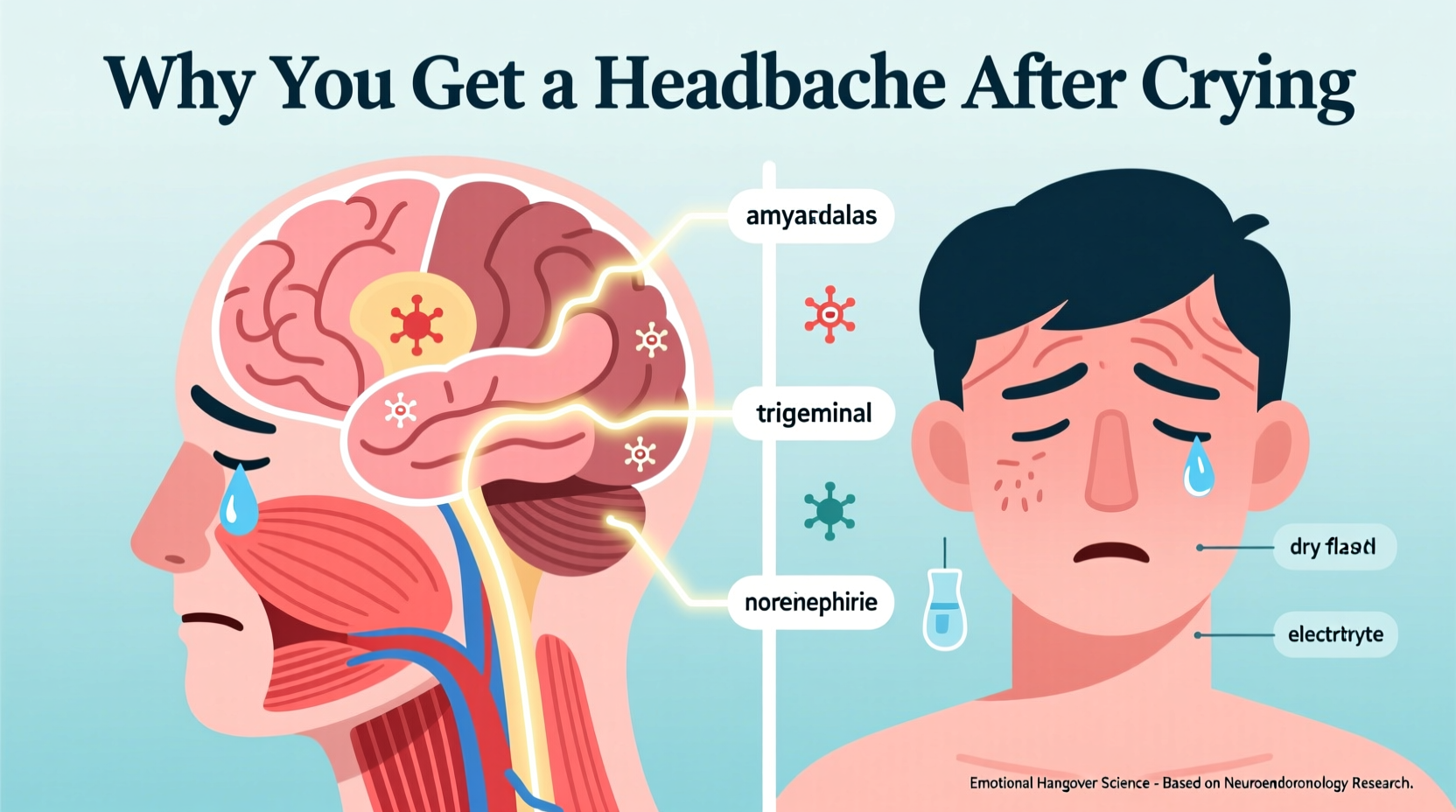
Crying isn’t just a release of emotion; it’s a full-body event. When you cry, your autonomic nervous system activates in response to emotional stimuli. This triggers a cascade of physical reactions:
- Increased heart rate and blood pressure: Emotional arousal stimulates the sympathetic nervous system—the same system responsible for the “fight or flight” response.
- Facial muscle tension: Sobbing involves repetitive contractions of facial muscles, particularly around the eyes, forehead, and jaw.
- Changes in breathing: Many people hyperventilate or breathe irregularly while crying, leading to shifts in blood oxygen and carbon dioxide levels.
- Hormonal surges: Stress hormones like cortisol and adrenaline spike during emotional distress, preparing the body for perceived threat—even if the threat is emotional, not physical.
These responses, while adaptive in short bursts, can strain the body when sustained over several minutes of intense crying. The result? A perfect storm for headache development.
“Emotional stress doesn’t just live in the mind—it manifests physically. The brain-body connection means that psychological pain can translate directly into somatic symptoms like headaches.” — Dr. Lena Patel, Neurologist and Pain Specialist
Why Headaches Follow Tears: The Science Explained
There’s no single cause for post-crying headaches, but research points to three primary mechanisms: muscle tension, vascular changes, and neurochemical shifts.
Muscle Tension Headaches
The most common type of headache after crying is a tension-type headache. As you sob, the muscles in your scalp, neck, and jaw contract repeatedly. This prolonged contraction reduces blood flow and builds up lactic acid, leading to soreness and pain.
Think of it like holding a weight with your arm for too long—eventually, the muscle fatigues and aches. Similarly, clenched jaws, furrowed brows, and strained eye movements during crying create muscular fatigue that radiates across the head.
Tip: Gently massage your temples, neck, and shoulders immediately after crying to relieve built-up tension and improve circulation.Vascular Changes and Blood Flow Shifts
Crying alters your breathing pattern. Rapid, shallow breaths—or even breath-holding during sobs—can cause hypocapnia: a drop in carbon dioxide levels in the blood. This leads to vasoconstriction, where blood vessels in the brain narrow temporarily.
When blood vessels constrict and then rebound (dilate), it can trigger a headache similar to a migraine aura or exertion-type headache. Some people report a pulsing sensation on both sides of the head, which aligns with vascular fluctuations rather than muscular strain.
Neurochemical Aftermath: Cortisol, Endorphins, and Emotional Exhaustion
Your brain chemistry shifts dramatically during emotional episodes. Cortisol, the primary stress hormone, surges during crying. While helpful in acute situations, elevated cortisol over time contributes to inflammation, sleep disruption, and lowered pain thresholds—all of which increase headache susceptibility.
On the flip side, crying also releases endorphins—natural opioids that promote a sense of calm and well-being. However, once these chemicals wear off, the body may experience a sort of “crash,” much like after intense physical exercise. This neurochemical comedown can leave you feeling drained, irritable, and vulnerable to headaches.
Who Is More Likely to Experience Post-Crying Headaches?
Not everyone gets a headache after crying. Genetics, mental health history, and baseline stress levels influence vulnerability. Certain factors increase the likelihood:
| Risk Factor | Impact on Headache Risk |
|---|---|
| History of migraines or chronic headaches | High – emotional triggers are common migraine precipitants |
| Chronic stress or anxiety | High – already elevated muscle tension and cortisol |
| Poor sleep hygiene | Moderate – lowers pain threshold and recovery capacity |
| Dehydration | Moderate – exacerbates vascular instability |
| Frequent emotional suppression | High – pent-up emotions lead to stronger release episodes |
Interestingly, people who regularly suppress emotions may be more prone to severe post-crying headaches. When emotions are bottled up, their eventual release is more intense—leading to greater physiological strain.
How to Prevent and Manage Emotional Hangovers
You shouldn’t avoid crying to prevent headaches. Tears serve a vital emotional regulatory function. Instead, focus on managing the aftermath and reducing physical strain during emotional episodes.
Step-by-Step Guide to Reducing Post-Crying Headaches
- Regulate Your Breathing: During and after crying, consciously slow your breath. Inhale deeply through your nose for four counts, hold for four, exhale slowly for six. This counters hyperventilation and stabilizes blood CO₂ levels.
- Hydrate Immediately: Drink a glass of water after crying. Dehydration worsens both muscle tension and vascular headaches.
- Apply Gentle Heat or Cold: Use a warm compress on your neck and shoulders to relax tense muscles, or a cold pack on your forehead if the pain is sharp and throbbing.
- Stretch Your Neck and Shoulders: Perform slow, controlled neck rolls and shoulder shrugs to release built-up tension.
- Rest in a Quiet Space: Give your nervous system time to reset. Even 10–15 minutes of quiet lying down can prevent a mild ache from escalating.
Mini Case Study: Recovering from Grief-Related Headaches
Sophie, a 34-year-old teacher, began experiencing frequent headaches after the loss of her mother. Initially, she assumed they were due to stress, but she noticed a clear pattern: every time she cried—especially after holding back emotions all day—she’d develop a tight band of pain across her forehead within 20 minutes.
After consulting a neurologist, Sophie learned that her headaches were tension-based, worsened by dehydration and poor posture while sitting at her desk. She implemented a few key changes:
- She started carrying a water bottle and set hourly reminders to drink.
- She practiced diaphragmatic breathing during emotional moments instead of suppressing tears.
- She began doing five-minute neck and shoulder stretches each afternoon.
Within three weeks, the frequency of her post-crying headaches dropped by 70%. “I realized I wasn’t weak for crying,” she said. “I was just unprepared for how my body would respond. Now I treat emotional release like I would a workout—I warm down after.”
Checklist: How to Care for Yourself After Crying
Use this simple checklist to minimize the impact of emotional episodes on your body:
- ✅ Drink a glass of water
- ✅ Take slow, deep breaths for 2–3 minutes
- ✅ Massage temples and neck gently
- ✅ Apply heat or cold to painful areas
- ✅ Rest in a dim, quiet space for 10+ minutes
- ✅ Avoid screens or mentally taxing tasks immediately after
- ✅ Journal briefly to process emotions without reliving them intensely
This routine doesn’t eliminate emotion—it honors it while protecting your physical well-being.
FAQ: Common Questions About Headaches After Crying
Is it normal to get a headache every time I cry?
Occasional headaches after intense crying are common. However, if it happens every time—even with mild emotional release—it may indicate underlying tension, dehydration, or a predisposition to migraines. Consider tracking your symptoms and discussing them with a healthcare provider if they interfere with daily life.
Can crying cause migraines?
Yes. For individuals with migraine disorders, strong emotional states—including crying—can act as triggers. Migraines after crying often include additional symptoms like light sensitivity, nausea, and visual disturbances. If you suspect migraines, consult a neurologist for proper diagnosis and management.
How long should a post-crying headache last?
Most resolve within 30 minutes to a few hours. If your headache persists beyond 24 hours, worsens significantly, or is accompanied by dizziness, confusion, or vision changes, seek medical evaluation to rule out other causes.
Conclusion: Honor Your Emotions, Support Your Body
Crying is not a flaw—it’s a function. It helps regulate emotions, signal distress, and foster connection. But like any intense bodily process, it demands recovery. The headache you feel afterward isn’t a punishment for being emotional; it’s a sign that your body worked hard to process something significant.
By understanding the science behind emotional hangovers, you gain power—not to stop feeling, but to care for yourself more effectively. You can cry freely, knowing you have tools to ease the physical toll. That balance—emotional authenticity paired with self-care—is where true resilience begins.
💬 Have you experienced headaches after crying? What strategies help you recover? Share your story in the comments—your insight could help someone feel less alone.








