
Rest should be restorative, not a source of stress. Yet for many, sitting still or stepping away from tasks triggers a quiet but persistent wave of guilt. You might lie on the couch with a book, scroll through your phone, or take a midday nap—only to immediately wonder: “Shouldn’t I be doing something more useful?” This internal conflict is more than just a bad habit; it’s often a symptom of deeper psychological patterns tied to productivity anxiety.
In a culture that glorifies hustle, burnout, and constant output, relaxation has been quietly stigmatized. We’ve internalized the idea that our worth is measured by what we produce, not who we are. When you feel guilty for resting, it’s rarely about laziness—it’s about an overidentification with performance, achievement, and external validation. Recognizing this dynamic is the first step toward healing.
The Hidden Roots of Productivity Anxiety
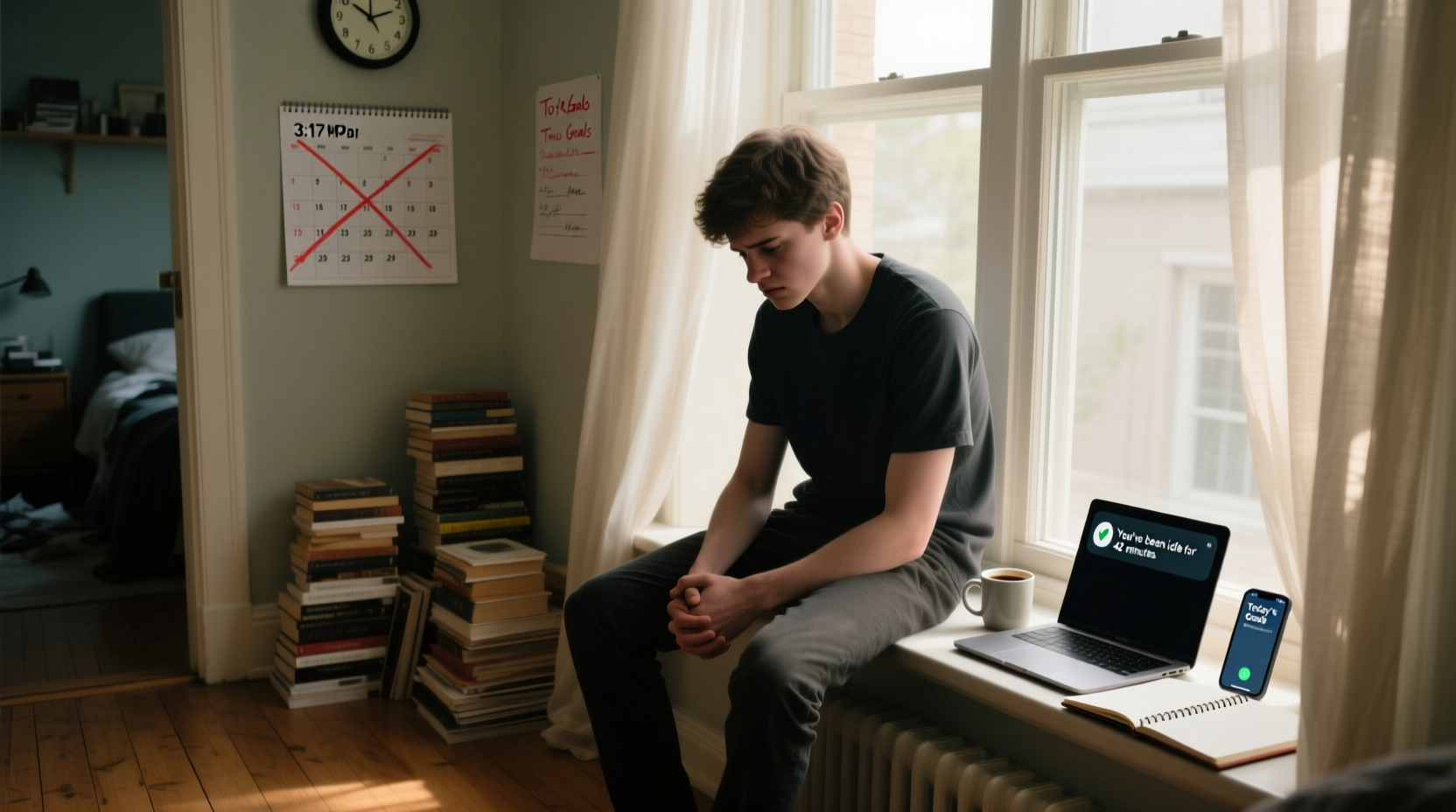
Productivity anxiety isn’t simply about being busy. It’s a chronic fear of falling behind, of not doing enough, or of being perceived as unproductive. This anxiety can manifest even in moments of intentional rest. The brain, conditioned by years of societal messaging, interprets downtime as wasted time—even when logically, you know rest is necessary.
This mindset often traces back to early experiences. In school, children are rewarded for completing assignments, staying focused, and meeting deadlines. Praise is frequently tied to outcomes, not effort or emotional well-being. As we grow, these patterns solidify into beliefs like “I must earn my rest” or “If I’m not moving forward, I’m failing.”
Modern work environments amplify this. Open offices, performance metrics, and always-on digital communication create an environment where visibility equals value. Remote work, while offering flexibility, has blurred boundaries further. Logging off can feel like disappearing—raising fears of being overlooked or deemed less committed.
“Productivity anxiety reflects a deeper insecurity: the belief that we are only worthy when we are producing. Healing begins when we separate our identity from our output.” — Dr. Lena Torres, Clinical Psychologist specializing in workplace mental health
Common Signs You’re Struggling with Productivity Guilt
Guilt around relaxation doesn’t always announce itself loudly. It often appears as subtle discomfort, background noise in your mind during downtime. Here are common signs that productivity anxiety may be affecting you:
- You plan leisure activities around “earned” breaks – For example, allowing yourself to watch a movie only after finishing a long task list.
- You feel restless or anxious when idle – Even during vacations, your mind races with thoughts about pending responsibilities.
- You multitask during relaxation – Watching TV while answering emails, or reading a novel while checking work messages.
- You downplay rest as “doing nothing” – Using dismissive language like “I was just lounging today” as if it were a failure.
- You compare your pace to others – Feeling behind because a colleague posted about working late or launching a side project.
- You wake up thinking about tasks – Before your feet hit the floor, your mind is already compiling the day’s to-dos.
How Culture Reinforces the Myth of Constant Productivity
We live in a productivity-obsessed society. Phrases like “hustle harder,” “rise and grind,” and “sleep when you’re dead” are celebrated in media, business, and social platforms. Influencers post 5 a.m. workout routines followed by eight-hour work blocks, framing exhaustion as a badge of honor.
This cultural narrative equates busyness with virtue. Being overwhelmed becomes a status symbol. Saying “I’m so busy” is often a way to signal importance. Meanwhile, those who prioritize balance may be seen as less ambitious—despite evidence that sustainable performance requires recovery.
The problem is systemic. Companies often reward overwork through promotions or informal recognition, while undervaluing employees who maintain healthy boundaries. Performance reviews rarely ask, “Did you take time to recharge?” Instead, they focus on deliverables, hours logged, or responsiveness.
Even self-help content can perpetuate the cycle. Books and podcasts promoting “optimal productivity” often encourage micro-scheduling, sleep reduction, or extreme focus techniques—all in pursuit of more output. Rarely do they question whether the goal itself is flawed.
| Cultural Message | Underlying Belief | Healthier Alternative |
|---|---|---|
| “You can sleep when you’re dead.” | Rest is a luxury, not a necessity. | Rest is part of performance. Recovery enables sustained success. |
| “Busy means important.” | Value comes from visible activity. | Value comes from presence, creativity, and well-being. |
| “Successful people wake up at 4 a.m.” | Early rising = discipline and achievement. | Success aligns with natural rhythms. Some thrive at night. |
| “Take a vacation? I don’t have time!” | Sacrificing personal time = dedication. | Taking breaks improves focus, morale, and decision-making. |
Rebuilding a Healthy Relationship with Rest
Healing productivity guilt isn’t about abandoning goals—it’s about redefining them. Sustainable achievement includes space for reflection, recovery, and joy. The following steps can help recalibrate your relationship with rest.
Step-by-Step Guide: Rewiring Your Rest Response
- Track Your Guilt Triggers – For one week, keep a simple log. Note when you feel guilty during rest, what you were doing, and what thoughts arose. Patterns will emerge.
- Challenge the “Earned Rest” Mentality – Begin scheduling rest without prerequisites. Allow yourself 20 minutes of stillness before earning anything. Observe the discomfort without acting on it.
- Redefine Productivity – Write down what true productivity means to you now. Include qualities like clarity, creativity, and emotional resilience—not just output.
- Create Rituals Around Downtime – Light a candle before reading, brew tea before a walk, or play calming music. These cues signal to your brain that rest is intentional and valid.
- Practice Non-Doing – Spend five minutes daily sitting with no goal. No phone, no agenda. Just breathe. This builds tolerance for stillness.
- Reframe Idleness as Insight – Remind yourself that downtime allows subconscious processing. Many breakthroughs happen when the mind is free to wander.
- Set Boundaries with Work Tools – Turn off non-essential notifications. Designate device-free times. Use app timers to limit work-related screen use.
A Real Example: From Burnout to Balance
Maya, a 34-year-old marketing director, built her career on relentless effort. She prided herself on responding to emails at midnight and launching campaigns with minimal sleep. But over time, she began dreading weekends. Instead of relaxing, she’d spend Saturdays drafting presentations or reviewing analytics—driven by a gnawing sense that she was “falling behind.”
When she took a week off for a friend’s wedding, she felt physically ill from anxiety. Her therapist asked a simple question: “What would happen if you didn’t work for seven days?” Maya realized nothing catastrophic would occur—yet her body reacted as if survival were at stake.
With support, she began small experiments. She blocked 30 minutes daily for unstructured time—no screens, no tasks. At first, she fidgeted, checked her phone, made lists. But gradually, she noticed her breathing slow. Ideas surfaced without pressure. After six weeks, she reported improved focus, fewer headaches, and a surprising boost in creativity at work.
Her turning point came when she stopped apologizing for taking lunch breaks. “I used to eat at my desk while working,” she said. “Now I sit outside. I don’t feel guilty—I feel human.”
Action Checklist: Reclaiming Rest Without Guilt
Use this checklist to begin shifting your mindset and habits:
- ✅ Schedule one guilt-free rest period this week (15+ minutes)
- ✅ Identify one cultural message about productivity you’ve internalized
- ✅ Replace one negative self-statement (“I’m wasting time”) with a neutral one (“I’m recharging”)
- ✅ Turn off work notifications during one evening or weekend block
- ✅ Share your intention to rest more with a trusted person
- ✅ Reflect: What did I gain from rest today? (Energy, clarity, peace?)
Frequently Asked Questions
Is it normal to feel guilty when I’m not working?
Yes, especially in high-pressure environments or achievement-oriented cultures. Feeling guilty during rest is common—but it’s not healthy long-term. It signals that your self-worth has become overly tied to output. With awareness and practice, this response can be reshaped.
Does rest actually improve productivity?
Yes—extensively. Research shows that regular breaks, quality sleep, and mental downtime enhance cognitive function, memory consolidation, and creative problem-solving. Chronic overwork leads to diminishing returns, including errors, irritability, and burnout. True productivity includes recovery.
How do I relax when my mind won’t stop thinking about work?
Start with structured wind-down routines. Try journaling to “download” tasks from your mind, followed by a calming activity like stretching or listening to music. Mindfulness apps can guide you into presence. Over time, consistent boundaries train your brain to disengage more easily.
Conclusion: Rest Is Not the Enemy of Success
Feeling guilty when relaxing is a sign not of weakness, but of conditioning. You’ve been taught to measure your value in tasks completed, hours logged, and goals achieved. But a life defined solely by productivity is a life half-lived.
Real fulfillment comes from balance—from creating space not just to do, but to be. Rest is not passive. It’s the foundation of clarity, resilience, and innovation. When you allow yourself to pause without apology, you reclaim autonomy over your time, attention, and identity.
Start small. Sit still for five minutes. Breathe. Let go of the need to justify your existence through output. You are not a machine. You are a human being—one who deserves peace, not as a reward, but as a birthright.
💬 Your turn: How has productivity guilt shown up in your life? What one step will you take this week to rest without apology? Share your thoughts—we’re all learning together.








