
If you find yourself constantly reaching for ice—chewing on cubes long after your drink has melted—it might seem harmless. After all, ice is just frozen water. But persistent, intense cravings for ice are not typical and may point to something deeper. One of the most well-documented medical explanations for this behavior is iron deficiency anemia. This condition can manifest in unusual ways, and pica—the craving and consumption of non-nutritive substances—is one of them. In particular, a subtype called pagophagia refers specifically to compulsive ice eating.
While occasional ice chewing isn’t necessarily alarming, doing so daily or feeling a near-irresistible urge to crunch ice could be your body’s way of signaling a nutritional imbalance. Understanding why this happens, what other signs to watch for, and when to seek help can make a significant difference in your health.
What Is Pagophagia?
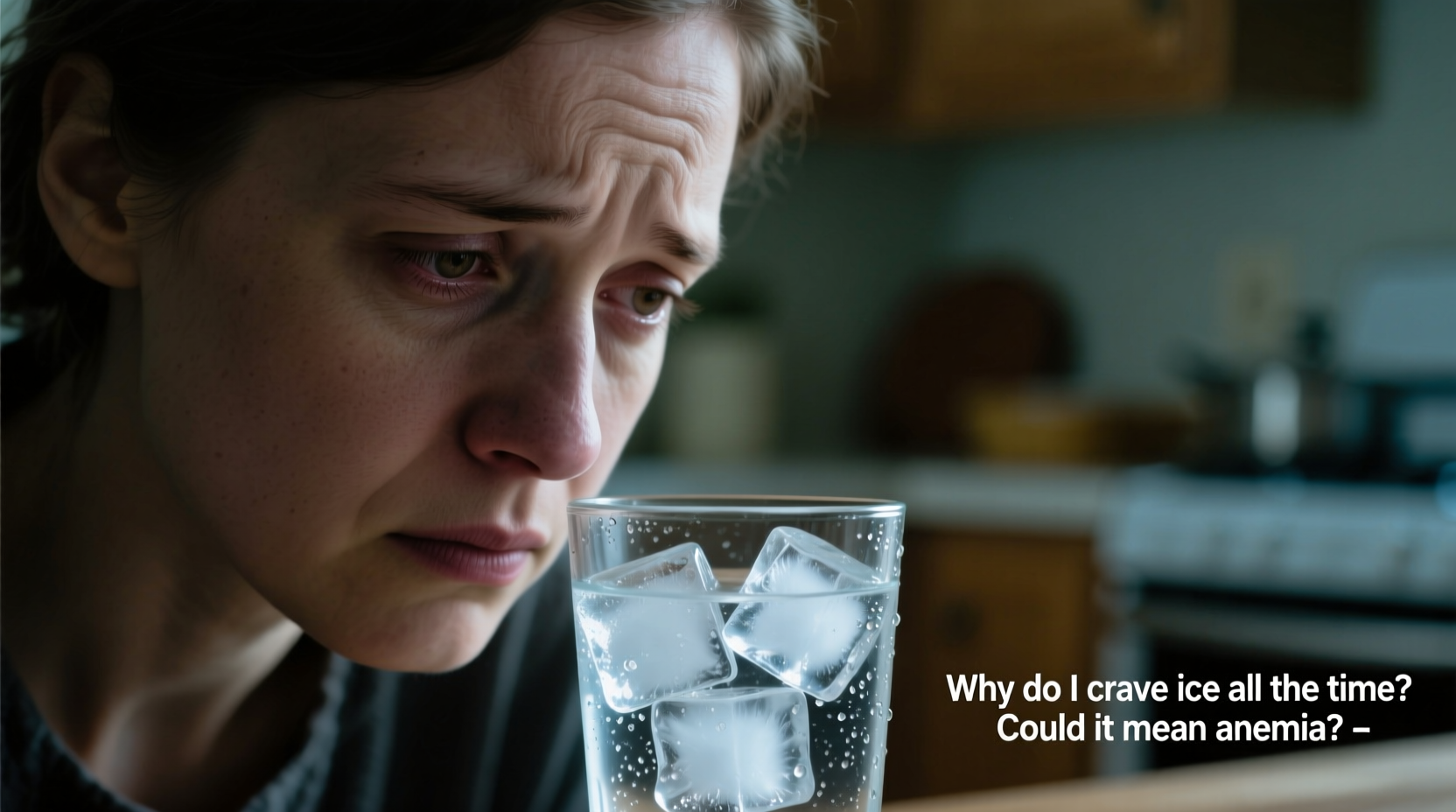
Pagophagia is a form of pica characterized by the repeated consumption of ice, freezer frost, or iced water beyond normal preference. Unlike general thirst or enjoying a cold drink on a hot day, pagophagia involves a psychological and sometimes physical compulsion to chew ice, often lasting for weeks or months.
Though the behavior may appear benign, it is frequently associated with underlying conditions—most commonly iron deficiency anemia. Studies have shown that individuals with low iron stores are significantly more likely to exhibit pagophagia than those with healthy iron levels. What makes this connection particularly interesting is that ice cravings often improve or resolve entirely once iron levels are corrected.
“Pagophagia is one of the more specific cravings linked to iron deficiency. When a patient reports compulsive ice chewing, we consider iron studies part of the essential workup.” — Dr. Lena Torres, Hematologist at Boston General Hospital
The Link Between Ice Cravings and Anemia
Anemia occurs when your body lacks enough healthy red blood cells to carry adequate oxygen to tissues. Iron deficiency anemia, the most common type, develops when iron stores are depleted, impairing hemoglobin production. Hemoglobin is the protein in red blood cells responsible for oxygen transport.
So how does this relate to ice?
Researchers believe several mechanisms may explain the connection:
- Oral Inflammation Relief: Iron deficiency can cause glossitis (inflammation of the tongue) and mouth soreness. Chewing ice may temporarily soothe discomfort through numbing effects.
- Increased Alertness: Some studies suggest that ice chewing may stimulate alertness in iron-deficient individuals, possibly counteracting fatigue—a hallmark symptom of anemia.
- Brain Function Compensation: Functional MRI studies show that chewing ice increases blood flow to the brain in people with iron deficiency, potentially improving cognitive function during periods of low energy.
A 2014 study published in the journal Medical Hypotheses found that participants with iron deficiency anemia who chewed ice reported improved mental clarity and reduced fatigue within minutes—effects not seen in iron-replete individuals.
Tip: If you're chewing ice daily and feel tired, pale, or short of breath, don't dismiss it as a habit. Request a complete blood count (CBC) and ferritin test from your doctor.Common Symptoms That Accompany Ice Cravings
Ice cravings rarely occur in isolation. They are usually one sign among many indicating possible iron deficiency. Be mindful of these accompanying symptoms:
- Fatigue or weakness
- Pale skin, especially inside the lower eyelids or on nail beds
- Dizziness or lightheadedness
- Shortness of breath during mild exertion
- Cold hands and feet
- Brittle nails
- Hair loss or thinning
- Irritability or difficulty concentrating
- Restless legs syndrome
- Sore or swollen tongue
Women of reproductive age, vegetarians, frequent blood donors, and individuals with gastrointestinal disorders (like celiac disease or Crohn’s) are at higher risk for iron deficiency. Heavy menstrual bleeding is one of the leading causes in premenopausal women.
When to See a Doctor
Occasional ice chewing isn’t concerning. But if you’re consuming ice multiple times a day, feel unable to stop, or notice related symptoms like fatigue or dizziness, it’s time to consult a healthcare provider.
A simple blood test can determine whether anemia is present. Key markers include:
| Test | What It Measures | Normal Range (Typical) | Note if Low |
|---|---|---|---|
| Hemoglobin | Oxygen-carrying protein in red blood cells | 12–16 g/dL (women), 13.5–17.5 g/dL (men) | Below range suggests anemia |
| Hematocrit | Percentage of red blood cells in blood | 36%–46% (women), 40%–52% (men) | Low values indicate reduced RBC mass |
| Ferritin | Iron storage protein | 15–150 ng/mL | Most sensitive marker for iron deficiency |
| MCV (Mean Corpuscular Volume) | Average size of red blood cells | 80–100 fL | Low MCV = microcytic cells, common in iron deficiency |
Your doctor may also check total iron-binding capacity (TIBC) and serum iron levels to assess overall iron status. Early diagnosis prevents complications such as heart strain, weakened immunity, and developmental delays in children.
Step-by-Step: What to Do If You Suspect Anemia
If you're experiencing persistent ice cravings and suspect anemia, follow this practical timeline:
- Track Your Symptoms (Days 1–7): Keep a journal noting how often you chew ice, energy levels, diet habits, and any other symptoms like headaches or palpitations.
- Schedule a Blood Test (Week 2): Contact your primary care provider and request a CBC and iron panel. Mention your ice cravings explicitly—they are clinically relevant.
- Review Results (Week 3): If results show low hemoglobin or ferritin, your doctor will likely diagnose iron deficiency. Further testing may be needed to find the cause (e.g., colonoscopy or endoscopy in adults).
- Begin Treatment (Week 4): Depending on severity, treatment may include oral iron supplements (ferrous sulfate, gluconate, or bisglycinate), dietary changes, or, in severe cases, intravenous iron.
- Monitor Progress (Month 2–3): Repeat blood tests after 6–8 weeks to assess improvement. Many patients report reduced ice cravings within 1–2 weeks of starting iron therapy.
Dietary and Lifestyle Adjustments
While supplements are often necessary to correct deficiency, long-term prevention depends on sustainable dietary habits. Incorporating iron-rich foods helps maintain healthy levels and reduce recurrence.
There are two types of dietary iron:
- Heme iron: Found in animal products (red meat, poultry, fish). It's more easily absorbed (15–35%).
- Non-heme iron: Found in plant sources (lentils, spinach, tofu, fortified cereals). Absorption is lower (2–20%) but can be boosted with vitamin C.
Pair iron-rich meals with citrus fruits, bell peppers, strawberries, or tomatoes to maximize absorption. For example, add lemon juice to a spinach salad or have an orange after a lentil stew.
📋 Weekly Iron-Rich Meal Checklist- Include red meat or poultry 2–3 times per week
- Eat legumes (beans, lentils) at least 4 times weekly
- Add dark leafy greens (kale, chard) to daily meals
- Choose iron-fortified breakfast cereals
- Snack on pumpkin seeds or dried apricots
- Combine plant-based iron sources with vitamin C-rich foods
Real-Life Example: Sarah’s Story
Sarah, a 32-year-old teacher, had been chewing ice almost constantly for over a year. She kept a cup of ice at her desk and refilled it three times a day. Initially, she thought it was just a quirk—until she started feeling unusually tired, even after full nights of sleep. Her students noticed she looked “washed out,” and she began getting headaches during afternoon classes.
After reading an article about ice cravings and anemia, she requested blood work from her doctor. Results showed a hemoglobin of 10.2 g/dL (low) and ferritin of 8 ng/mL (severely deficient). She was diagnosed with iron deficiency anemia, likely due to heavy periods and a mostly plant-based diet lacking sufficient iron absorption enhancers.
She began taking ferrous sulfate daily and adjusted her meals to include lean beef twice a week and vitamin C-rich sides. Within ten days, her energy improved. By week three, her ice cravings had nearly vanished. Follow-up tests six weeks later confirmed rising iron stores.
“I didn’t realize how much the fatigue was affecting my life until it lifted. The ice was a red flag I ignored for too long.” — Sarah M., patient
Other Possible Causes of Ice Cravings
While anemia is the most recognized cause, chronic ice chewing can also stem from other factors:
- Pregnancy: Increased iron demands can lead to deficiency and pagophagia, especially in the second and third trimesters.
- Mental Health Conditions: Compulsive behaviors, including ice chewing, may overlap with OCD or anxiety disorders.
- Dehydration: Sometimes mistaken for ice cravings, though true dehydration usually prompts thirst, not a desire to chew.
- Habit or Oral Fixation: Some people develop ice chewing as a stress-relief mechanism or out of boredom.
However, if no medical cause is found and the behavior persists, behavioral strategies or counseling may help break the habit.
FAQ
Can chewing ice damage my teeth?
Yes. Chronic ice chewing can lead to enamel erosion, cracked teeth, or damaged dental fillings. Dentists often advise against it, especially for individuals with sensitive teeth or restorative work.
Is pagophagia dangerous on its own?
Chewing ice isn’t inherently harmful, but it’s a potential warning sign of iron deficiency—anemia that, if untreated, can strain the heart, impair immunity, and affect quality of life. The real danger lies in ignoring the underlying cause.
How long does it take for ice cravings to go away after starting iron supplements?
Many people notice a reduction in cravings within 1 to 2 weeks of beginning iron therapy, often before hemoglobin levels fully normalize. This rapid response supports the theory that ice chewing serves a physiological purpose in iron deficiency.
Conclusion
Craving ice all the time is more than a quirky habit—it can be a meaningful clue your body is sending. While it may seem trivial, pagophagia is a recognized clinical symptom strongly tied to iron deficiency anemia. Ignoring it could mean missing an opportunity to address fatigue, weakness, and long-term health risks.
The good news is that iron deficiency is highly treatable. With proper diagnosis, supplementation, and dietary adjustments, most people regain their energy and see their cravings fade. If you’ve been crunching ice daily, especially alongside tiredness or paleness, take action. Talk to your doctor, get tested, and listen to what your body is trying to tell you.
🚀 Don’t ignore your ice cravings. Schedule a blood test today and take the first step toward better energy, clearer focus, and long-term wellness.








