
Waking up at 3am is a surprisingly common experience. You fall asleep easily enough, only to jolt awake in the dead of night—mind suddenly alert, body restless, unable to drift back into slumber. While occasional nighttime awakenings are normal, doing so consistently can disrupt sleep architecture, affect mood, and impair daytime function. The good news? Most causes are manageable with natural, sustainable changes. Understanding the root reasons behind this pattern—and how to respond—can restore deeper, more restorative sleep.
The Science Behind Waking at 3am
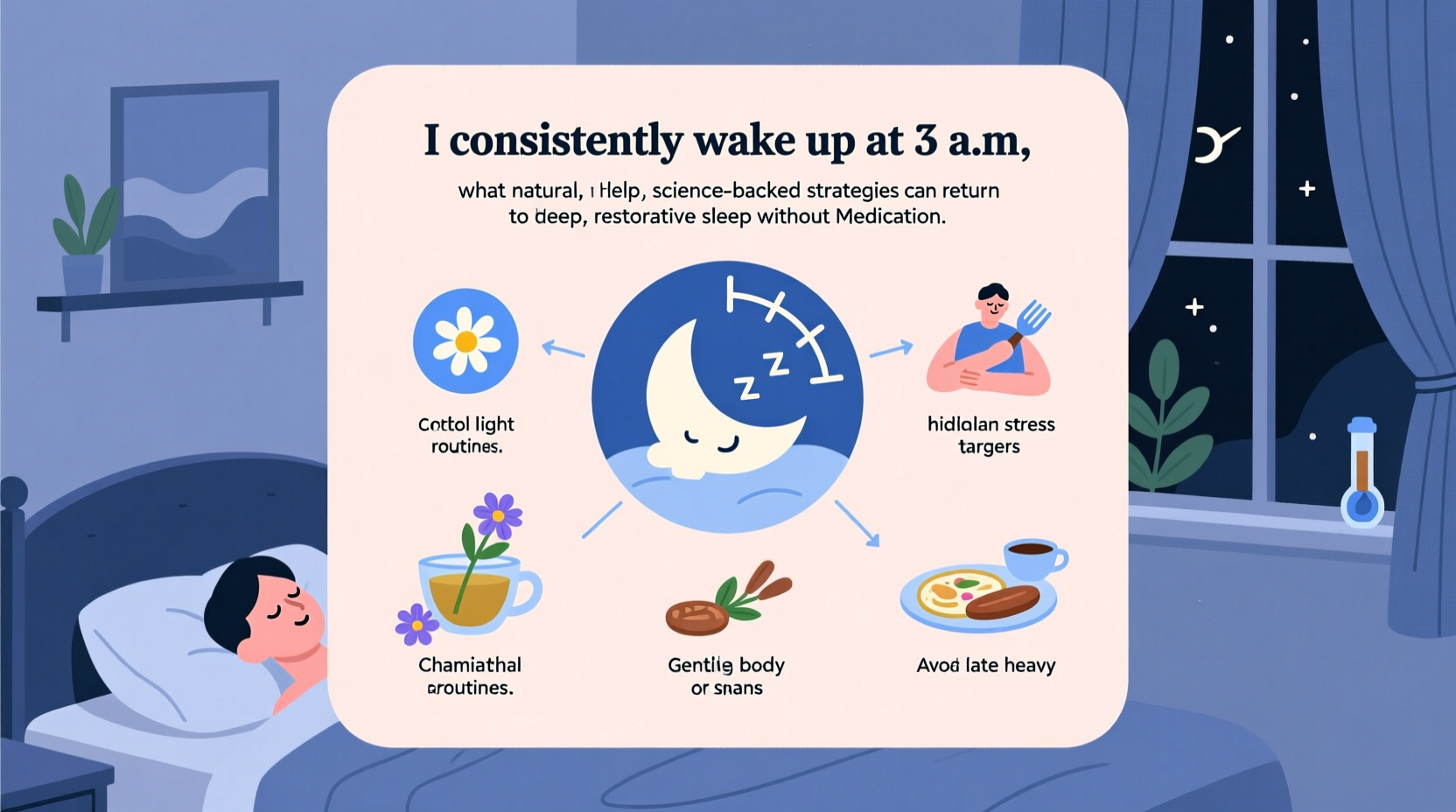
Human sleep follows a predictable cycle lasting approximately 90 minutes, consisting of light sleep, deep sleep, and REM (rapid eye movement) sleep. During the night, these cycles repeat four to six times. In the early morning hours—typically between 3am and 5am—you’re entering your longest REM phase. This stage is associated with vivid dreams, increased brain activity, and lighter sleep, making you more prone to waking.
However, waking and staying awake at this hour often points to underlying disruptions. Cortisol, the stress hormone, begins to rise around 3am as part of the body’s circadian rhythm, preparing you for wakefulness. In healthy individuals, this rise is gradual and doesn’t interrupt sleep. But when cortisol spikes too early or too high due to stress, poor sleep hygiene, or blood sugar imbalances, it can trigger full arousal.
“Frequent 3am awakenings are rarely about insomnia alone—they’re often signals from the nervous system that something in your daily routine needs recalibration.” — Dr. Lena Torres, Sleep Neurologist, Stanford Sleep Medicine Center
Common Causes of 3am Wake-Ups
Several interrelated factors contribute to waking at 3am. Identifying which apply to you is the first step toward resolution.
1. Stress and Anxiety
Mental overactivity is one of the top triggers. When the mind quiets down at night, unresolved worries surface. The prefrontal cortex becomes active, replaying past events or anticipating future challenges. This mental load increases cortisol and adrenaline, making it difficult to return to sleep.
2. Blood Sugar Fluctuations
If dinner was low in protein or high in refined carbohydrates, blood sugar may drop by 3am. The body responds by releasing cortisol and adrenaline to raise glucose levels—a survival mechanism that inadvertently wakes you. People with insulin resistance or prediabetes are especially vulnerable.
Tip: Include a small, balanced snack before bed if you're prone to nocturnal hypoglycemia—try almond butter on apple slices or a boiled egg.3. Circadian Rhythm Disruptions
Exposure to blue light from screens after 8pm suppresses melatonin production, delaying sleep onset and fragmenting later cycles. Similarly, inconsistent bedtimes confuse the internal clock, leading to early awakenings.
4. Hormonal Changes
Women may notice increased 3am wakefulness during perimenopause or menopause due to fluctuating estrogen and progesterone, both of which influence sleep regulation. Night sweats and temperature dysregulation further compound the issue.
5. Sleep Apnea and Breathing Issues
Even mild obstructive sleep apnea can cause micro-awakenings throughout the night. These brief arousals may not fully register, but they prevent deep, continuous sleep. Often, people aren't aware of snoring or gasping unless a partner notices.
Natural Strategies to Prevent 3am Wake-Ups
You don’t need medication to reclaim uninterrupted sleep. Natural interventions target the root causes and support long-term resilience.
Dietary Adjustments for Stable Sleep
Your last meal of the day plays a crucial role in overnight stability. Avoid large, spicy, or high-carb dinners within three hours of bedtime. Instead, prioritize balanced meals with complex carbs, lean protein, and healthy fats to maintain steady blood sugar.
“Eating a dinner rich in tryptophan—like turkey, pumpkin seeds, or chickpeas—can boost melatonin synthesis naturally.” — Nutritionist Mara Chen, CNS
- Eat dinner earlier (ideally by 7pm)
- Include magnesium-rich foods (spinach, almonds, avocado)
- Avoid alcohol—it fragments sleep in the second half of the night
- Limit caffeine after noon
Wind-Down Routine Optimization
Transitioning from activity to rest requires intentionality. A structured wind-down routine signals safety to the nervous system, reducing hyperarousal.
- Begin 60–90 minutes before bed
- Turn off screens; use blue-light filters if necessary
- Engage in low-stimulation activities: reading (physical books), gentle stretching, journaling
- Sip calming herbal tea (chamomile, passionflower, valerian root)
- Practice gratitude or breathwork to quiet mental chatter
Step-by-Step Guide to Recondition Your Sleep Pattern
Changing your relationship with 3am wake-ups takes consistency. Follow this 14-day timeline to reset your sleep architecture:
| Day | Action Step | Purpose |
|---|---|---|
| 1–3 | Set fixed bedtime and wake time (+/- 15 mins) | Stabilize circadian rhythm |
| 4–6 | Eliminate screens 90 mins before bed | Increase melatonin production |
| 7–9 | Add magnesium supplement (200–400mg glycinate) | Reduce muscle tension and nervous system excitability |
| 10–12 | Introduce evening journaling (write down worries) | Offload mental clutter |
| 13–14 | Assess improvements and adjust as needed | Reinforce progress and personalize approach |
This protocol isn’t rigid—adapt it to your lifestyle. The goal is consistency, not perfection.
Checklist: Natural Actions to Stop Waking at 3am
Use this checklist nightly or weekly to stay on track:
- ☑️ Finish dinner at least 3 hours before bed
- ☑️ Limit caffeine after 12pm
- ☑️ Avoid alcohol within 4 hours of sleep
- ☑️ Keep bedroom temperature between 60–67°F (15–19°C)
- ☑️ Use blackout curtains or a sleep mask
- ☑️ Practice 5–10 minutes of mindfulness or breathwork before bed
- ☑️ Journal any recurring thoughts or anxieties earlier in the evening
- ☑️ Take magnesium or herbal sleep support if needed
- ☑️ Get morning sunlight within 30 minutes of waking
- ☑️ Maintain a consistent sleep schedule—even on weekends
Real-Life Example: How Sarah Regained Her Sleep
Sarah, a 42-year-old project manager, had been waking at 3:15am every night for nearly six months. She’d lie awake for hours, her mind racing about work deadlines and family responsibilities. Despite sleeping 7 hours, she felt exhausted by midday.
After tracking her habits, she realized she was eating late dinners (often after 8:30pm), scrolling through emails in bed, and drinking a glass of wine to “unwind.” She also skipped breakfast, disrupting her cortisol curve.
With guidance from a sleep coach, Sarah implemented changes: she moved dinner to 6:30pm, replaced wine with chamomile tea, started journaling at 8pm, and committed to 10 minutes of yoga before bed. Within two weeks, her 3am awakenings dropped from five nights a week to one. By week four, she was sleeping through the night regularly.
“I didn’t realize how much my evening choices were sabotaging my sleep,” Sarah shared. “Once I stopped treating bedtime like a work extension, everything shifted.”
Frequently Asked Questions
Is waking at 3am a sign of a serious health problem?
Occasional awakenings are normal. However, chronic 3am wake-ups—especially when accompanied by fatigue, anxiety, or concentration issues—may indicate underlying issues like chronic stress, hormonal imbalance, or sleep apnea. If symptoms persist beyond a few weeks despite lifestyle changes, consult a healthcare provider.
Can supplements help me stay asleep?
Yes, certain natural supplements support sleep maintenance. Magnesium glycinate, L-theanine, and apigenin (from chamomile) promote relaxation without grogginess. Melatonin may help reset timing but is less effective for middle-of-the-night awakenings. Always consult a doctor before starting new supplements, especially if taking medications.
What should I do if I wake up and can’t fall back asleep?
Stay calm. Avoid checking the time or reaching for your phone. Practice slow breathing or a body scan meditation. If you’re still awake after 20 minutes, get out of bed and do a quiet, non-stimulating activity (e.g., reading a book under dim light) until drowsy. Return to bed only when sleepy. This reinforces the mental association between bed and sleep.
Conclusion: Reclaim Your Night, Restore Your Energy
Waking at 3am isn’t a life sentence. It’s a signal—one that invites attention to your daily rhythms, emotional load, and physiological balance. With mindful adjustments to diet, routine, and mindset, most people can resolve these awakenings naturally. The key is patience and persistence. Small, consistent actions compound into profound change over time.
💬 Have you overcome 3am wake-ups? Share your story or tip in the comments—your insight could help someone finally get the rest they need.