
Crunching ice is a seemingly harmless habit—many people chew on it absentmindedly while drinking water or soda. But when this behavior becomes compulsive, it may signal something deeper than mere preference. Known medically as pagophagia, the chronic craving and consumption of ice is a specific form of pica, an eating disorder characterized by the urge to eat non-nutritive substances. While ice itself contains no calories or nutrients, the compulsion to chew it can be a red flag for underlying health issues, particularly iron deficiency anemia. Understanding the science behind this craving reveals how closely our behaviors are tied to biochemical imbalances—and why addressing the root cause matters.
The Science Behind Ice Cravings
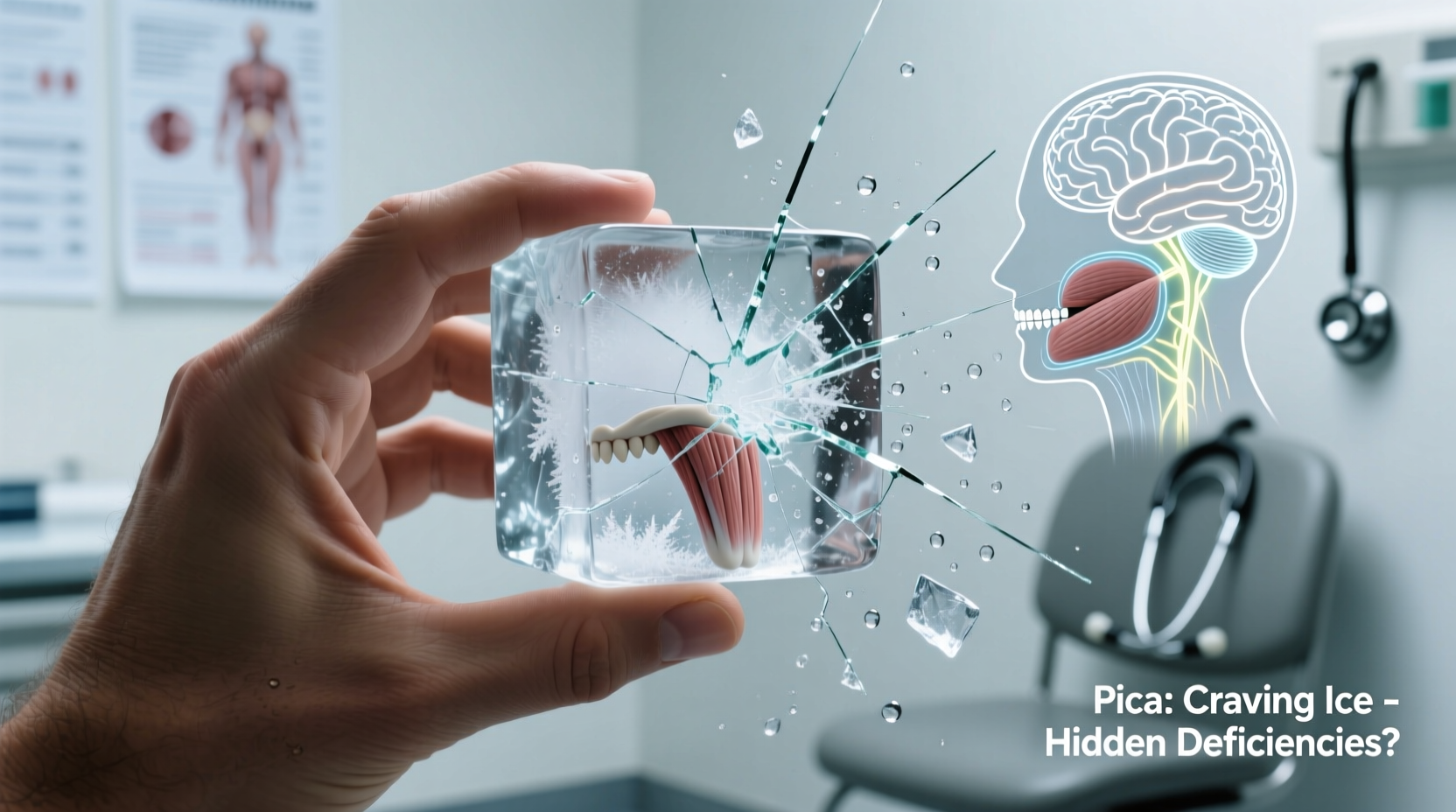
At first glance, chewing ice seems like a sensory quirk. The crisp sound, cold sensation, and satisfying crunch provide mild oral stimulation. However, research suggests there’s more at play than just texture preference. Studies have shown that individuals with iron deficiency anemia often experience relief from fatigue and mental fog after chewing ice. This temporary cognitive boost may stem from increased cerebral blood flow triggered by the physical act of chewing.
A 2014 study published in the journal Medical Hypotheses proposed that chewing ice elevates alertness in iron-deficient individuals by activating the brain’s frontal lobe. Since iron is essential for oxygen transport and energy production, low levels impair mitochondrial function and reduce oxygen delivery to tissues, including the brain. Chewing ice may stimulate blood flow and improve oxygenation, offering momentary relief from symptoms like lethargy and poor concentration.
“Pagophagia is one of the most specific cravings linked to a single nutrient deficiency. When patients present with compulsive ice chewing, we immediately investigate iron status.” — Dr. Lena Torres, Hematology Specialist
This physiological response creates a feedback loop: fatigue prompts ice chewing, which briefly improves alertness, reinforcing the behavior. Over time, what begins as occasional crunching evolves into a persistent habit—one that shouldn’t be ignored.
Pica: More Than Just a Quirk
Pica derives its name from the Latin word for magpie, a bird known for eating almost anything. In medical terms, pica refers to the persistent ingestion of non-food substances such as dirt, clay, starch, paper, hair, or ice for at least one month, when not attributable to cultural practices or developmental disorders.
While pica can occur across all age groups, it’s most commonly observed in children, pregnant women, and individuals with certain mental health conditions like autism spectrum disorder or obsessive-compulsive disorder. However, when adults without these risk factors develop a sudden, intense craving for ice, it often points to nutritional deficiency rather than psychological origin.
Pagophagia—the ice-specific subtype of pica—is particularly notable because of its strong association with iron deficiency. Unlike other forms of pica, which may have multiple causes, pagophagia frequently resolves once iron levels are corrected, suggesting a direct biochemical link.
Tip: If you find yourself reaching for ice cubes even when not thirsty, consider getting a complete blood count (CBC) and serum ferritin test to assess your iron stores.Iron Deficiency: The Hidden Culprit
Iron is vital for hemoglobin production, the protein in red blood cells responsible for carrying oxygen throughout the body. When iron levels drop, the body produces fewer or smaller red blood cells, leading to iron deficiency anemia. Common symptoms include fatigue, weakness, pale skin, shortness of breath, dizziness, and cold hands and feet.
But why would this trigger a desire to chew ice?
One theory centers on oral inflammation. Iron deficiency can cause glossitis—an inflamed, swollen tongue—and dry mouth, both of which may make cold stimuli like ice soothing. Another explanation involves dopamine regulation. Iron plays a role in synthesizing neurotransmitters, and low levels may disrupt dopamine pathways involved in reward and motivation, potentially increasing compulsive behaviors like ice chewing.
Women are especially vulnerable due to menstrual blood loss, pregnancy, and dietary restrictions. Vegetarians and vegans may also struggle to absorb enough non-heme iron from plant sources unless they pair foods strategically with vitamin C-rich options. Athletes, frequent blood donors, and individuals with gastrointestinal disorders like celiac disease or inflammatory bowel disease face elevated risks as well.
Other Possible Nutritional Deficiencies Linked to Pica
While iron takes center stage, other deficiencies may contribute to pica-like behaviors:
- Zinc deficiency: Can alter taste perception (dysgeusia), leading to unusual food cravings.
- Magnesium deficiency: Associated with muscle cramps, fatigue, and neurological symptoms that might influence oral habits.
- B-complex vitamins (especially B12 and folate): Crucial for nerve function and red blood cell formation; deficiency mimics some symptoms of iron deficiency.
In rare cases, pagophagia has been reported alongside calcium deficiency or hypochromic anemia unrelated to iron, though evidence remains limited. Still, the overwhelming clinical pattern supports iron as the primary suspect.
Diagnosis and Medical Evaluation
If ice chewing becomes compulsive—occurring daily, interfering with dental health, or persisting despite attempts to stop—it warrants medical evaluation. Diagnosis typically begins with a thorough patient history, focusing on diet, gastrointestinal symptoms, menstrual patterns, and medication use.
Key lab tests include:
| Test | Purpose | Normal Range (Approximate) |
|---|---|---|
| Hemoglobin | Measures oxygen-carrying capacity | 12–16 g/dL (women), 14–18 g/dL (men) |
| Hematocrit | Percentage of red blood cells in blood | 36%–48% (women), 42%–52% (men) |
| MCV (Mean Corpuscular Volume) | Size of red blood cells; low in iron deficiency | 80–100 fL |
| Serum Ferritin | Best indicator of iron stores | 15–150 ng/mL |
| Iron & TIBC | Assesses circulating iron and binding capacity | Iron: 60–170 µg/dL; TIBC: 250–450 µg/dL |
A low ferritin level—even within the “normal” range but below 50 ng/mL—is often considered indicative of depleted iron reserves, especially if symptoms align. Some experts argue that optimal ferritin should be above 70 ng/mL for symptom resolution in cases of restless leg syndrome or pagophagia.
Mini Case Study: Sarah’s Unexplained Fatigue
Sarah, a 32-year-old graphic designer, began noticing she was refilling her water glass solely to retrieve more ice. She’d chew through trays daily, sometimes causing jaw pain. Initially dismissing it as stress-related, she grew concerned when she started feeling constantly tired, struggling to concentrate during work hours.
Her primary care physician ordered bloodwork. Results showed hemoglobin of 11.8 g/dL (low-normal), MCV of 76 fL (indicating microcytic cells), and ferritin of just 12 ng/mL—clear signs of iron deficiency. After starting oral iron supplementation and adjusting her diet to include lean meats, lentils, and spinach with lemon juice, Sarah gradually lost her ice craving. Within two months, her energy returned, and she stopped chewing ice altogether.
Sarah’s case illustrates how subtle early signs can escalate into noticeable behavioral changes before full-blown anemia develops. Early detection prevented further decline.
Managing Pagophagia: A Step-by-Step Approach
Treating ice cravings isn’t about willpower—it’s about identifying and correcting the underlying imbalance. Here’s a practical roadmap:
- Recognize the Pattern: Track how often you chew ice, under what circumstances, and whether it coincides with fatigue or brain fog.
- Consult a Healthcare Provider: Request a CBC and iron panel, including serum ferritin, not just hemoglobin.
- Address the Deficiency: Depending on severity, treatment may involve dietary changes, oral iron supplements, or intravenous iron therapy.
- Optimize Absorption: Take iron on an empty stomach with vitamin C (e.g., orange juice). Avoid coffee, tea, dairy, or calcium supplements within two hours, as they inhibit absorption.
- Monitor Progress: Repeat blood tests after 6–8 weeks to ensure improvement. Cravings often subside before labs normalize.
- Support Long-Term Health: Maintain iron-rich meals and consider periodic screening, especially for high-risk groups.
Nutrition Checklist: Boost Your Iron Intake Safely
Use this checklist to support healthy iron levels through diet:
- ✅ Include heme iron sources (better absorbed): red meat, poultry, fish
- ✅ Pair plant-based iron (non-heme) with vitamin C: bell peppers with lentils, strawberries with fortified cereal
- ✅ Cook in cast-iron cookware to increase iron content in food
- ✅ Limit inhibitors: avoid tea/coffee with meals, space out calcium supplements
- ✅ Consider cooking acidic foods (like tomato sauce) in iron pots for enhanced mineral transfer
Frequently Asked Questions
Is chewing ice harmful?
Occasional ice chewing is generally safe, but chronic pagophagia can lead to dental problems such as enamel erosion, cracked teeth, or jaw joint strain. More importantly, it may mask a serious deficiency requiring treatment.
Can you have iron deficiency without anemia?
Yes. Iron deficiency occurs in stages. Initially, iron stores (ferritin) deplete while hemoglobin remains normal—this is called latent or pre-latent iron deficiency. Symptoms like fatigue and ice cravings can appear before anemia is diagnosed.
Why do pregnant women crave ice?
Pregnancy increases blood volume and iron demands dramatically. Many women develop iron deficiency during gestation, making pagophagia relatively common. It should be evaluated promptly, as untreated deficiency raises risks for preterm birth and low birth weight.
Conclusion: Listen to What Your Body Is Saying
The human body communicates needs in subtle ways. A persistent craving for ice isn't just a bad habit—it's a potential distress signal. Dismissing it as trivial could mean overlooking a correctable deficiency that affects energy, cognition, and long-term health. By paying attention to these cues and seeking informed care, individuals can restore balance and break free from compulsive behaviors rooted in biology, not willpower.
Whether you're a healthcare provider, someone experiencing unexplained cravings, or simply curious about the mind-body connection, recognizing pagophagia as a symptom—not a sin—marks a step toward better self-awareness and proactive wellness.
🚀 Take action today: If you or someone you know craves ice regularly, don’t wait for extreme fatigue to act. Schedule a blood test, review dietary intake, and address deficiencies early. Share this information to help others understand that sometimes, the simplest habits hide the most important messages.








