
Many people report increased joint or bone pain as storm clouds gather and barometric pressure drops. Whether it’s an old knee injury flaring up or stiff fingers before a downpour, this phenomenon is more than folklore—it’s a well-documented experience shared by millions. While not everyone feels it, those with arthritis, past injuries, or chronic pain are especially sensitive to weather changes. This article explores the physiological mechanisms behind weather-induced body pain, examines scientific evidence, and offers actionable strategies for relief.
The Science Behind Weather and Joint Pain
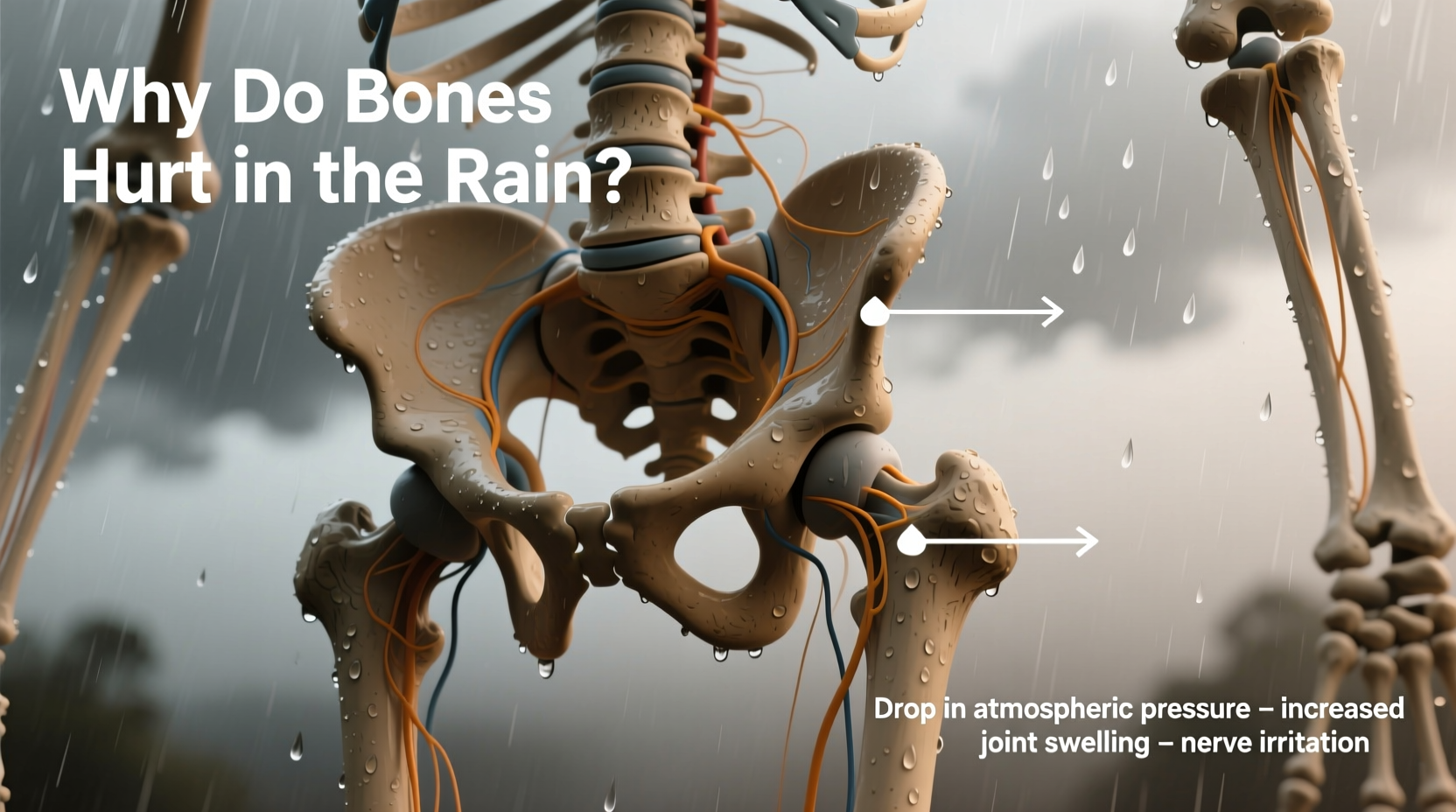
The connection between weather shifts and physical discomfort centers on atmospheric pressure, humidity, and temperature. The most compelling explanation involves **barometric pressure**—the weight of the air surrounding us. When a storm approaches, barometric pressure typically falls. This drop can affect tissues inside the body, particularly around joints.
Under normal conditions, the pressure inside your body balances with the atmospheric pressure outside. But when external pressure decreases, such as before rain, the soft tissues around joints may expand slightly. In inflamed or damaged joints—common in osteoarthritis or rheumatoid arthritis—this expansion can irritate nerve endings, leading to pain or stiffness.
“Changes in barometric pressure can cause tendons, muscles, and scar tissue to expand or contract, triggering pain in sensitive joints.” — Dr. Robert Newlin, Rheumatologist at Cleveland Clinic
Additionally, cold and damp conditions often accompany rainy weather. Lower temperatures can thicken the synovial fluid that lubricates joints, making them stiffer and less flexible. High humidity may also increase pain sensitivity, though research on this factor remains mixed.
Who Is Most Affected?
Not everyone experiences weather-related pain, but certain groups are more vulnerable:
- People with arthritis: Osteoarthritis and rheumatoid arthritis patients frequently report worsening symptoms during weather changes.
- Individuals with old injuries: Past fractures, sprains, or surgeries can become painful due to scar tissue sensitivity.
- Fibromyalgia sufferers: This chronic pain condition often includes heightened sensitivity to environmental changes.
- Older adults: Age-related joint degeneration increases susceptibility to weather fluctuations.
A 2019 study published in Pain Medicine analyzed over 800 individuals with chronic pain and found a statistically significant correlation between low barometric pressure and increased pain reports, particularly among those with joint disorders.
Tip: Keep a pain journal alongside daily weather data to identify personal triggers. Patterns may reveal whether pressure, temperature, or humidity affects you most.How Barometric Pressure Influences the Body: A Closer Look
To understand how air pressure impacts pain, consider what happens at the tissue level:
- Pressure Drop: As a storm approaches, atmospheric pressure falls.
- Tissue Expansion: Reduced external pressure allows tissues, including tendons, ligaments, and muscles, to swell slightly.
- Nerve Compression: In already-inflamed joints, this swelling can press on nerves, causing pain signals.
- Stiffness: Cold temperatures reduce blood flow and increase fluid viscosity in joints, slowing movement and increasing discomfort.
This process is subtle but measurable. Research using MRI scans has shown small changes in joint space during simulated pressure changes, supporting the theory that physical alterations occur even if they’re imperceptible to most.
Real Example: Maria’s Rainy-Day Routine
Maria, a 58-year-old teacher from Seattle, has dealt with knee osteoarthritis for over a decade. She noticed her pain consistently worsened two days before heavy rain. After tracking her symptoms and local weather for three months, she confirmed a pattern: every time barometric pressure dropped below 29.8 inHg, her knee stiffness increased by morning.
Armed with this insight, Maria began adjusting her routine. On low-pressure forecasts, she pre-emptively uses a heating pad, takes her prescribed anti-inflammatory medication earlier in the day, and avoids prolonged standing. Her proactive approach reduced flare-ups by nearly 60%, according to her pain log.
Practical Strategies to Reduce Weather-Related Pain
While you can’t control the weather, you can take steps to minimize its impact on your body. Here’s a checklist of effective measures:
📋 Pain Management Checklist- Monitor local barometric pressure trends via weather apps
- Stay warm with layered clothing, heated blankets, or thermal wear
- Use a heating pad or warm compress on stiff joints
- Perform gentle range-of-motion exercises daily
- Keep indoor humidity moderate (40–50%)
- Stay hydrated—dehydration can worsen joint friction
- Take prescribed medications consistently, especially before storms
Do’s and Don’ts Table
| Do’s | Don’ts |
|---|---|
| Exercise indoors on cold, rainy days | Ignore early signs of stiffness or discomfort |
| Dress in moisture-wicking, insulating layers | Sit still for long periods during low-pressure systems |
| Use assistive devices (canes, braces) when needed | Overexert yourself trying to “push through” pain |
| Maintain a consistent sleep schedule | Expose joints to cold drafts or damp environments |
Debunking Common Myths
Despite growing evidence, misconceptions persist about weather-related pain:
- Myth: “It’s all in your head.”
Truth: Studies confirm real physiological changes occur. Pain is subjective, but the triggers are measurable. - Myth: “Only older people feel this.”
Truth: Younger individuals with joint injuries or chronic conditions also report weather sensitivity. - Myth: “Moving to a dry climate will cure it.”
Truth: While some find relief in stable climates, sudden weather shifts—not just humidity—trigger pain. Desert areas can have dramatic pressure swings too.
Frequently Asked Questions
Can weather changes cause new joint pain, or only worsen existing conditions?
Weather typically exacerbates pre-existing joint issues rather than causing new pain in healthy individuals. However, prolonged exposure to cold, damp conditions without proper protection might contribute to inflammation over time.
Is there a specific type of weather that’s worst for joint pain?
Cold, damp, and stormy conditions—especially with dropping barometric pressure—are most commonly linked to increased discomfort. Rapid weather transitions (e.g., warm to cold within hours) can be particularly disruptive.
Are there any supplements that help with weather-related joint pain?
Some people benefit from omega-3 fatty acids (found in fish oil), glucosamine, and vitamin D, which support joint health and reduce inflammation. Always consult your doctor before starting supplements, especially if on other medications.
Conclusion: Taking Control of Your Comfort
Experiencing bone or joint pain when it rains doesn’t mean you’re at the mercy of the forecast. Understanding the link between weather and bodily discomfort empowers you to anticipate and respond effectively. By monitoring pressure changes, staying warm, moving gently, and managing inflammation, you can significantly reduce the impact of rainy days on your quality of life.
Knowledge is power—and in this case, it’s also comfort. Use the tools and strategies outlined here to stay ahead of the storm, both literally and physically.
💬 Have you noticed your pain changing with the weather? Share your experience or tips in the comments—your insight could help others find relief.








