
Breastfeeding is often portrayed as a natural and seamless process, but for many women, it comes with unexpected challenges. While most are capable of producing milk, a significant number face physical, hormonal, or emotional barriers that make breastfeeding difficult—or in rare cases, impossible. Understanding the real reasons behind these struggles is essential for reducing guilt, improving support, and finding effective solutions. This article explores the medical, physiological, and social factors that can interfere with breastfeeding, backed by expert insights and practical guidance.
Medical and Physiological Barriers to Breastfeeding
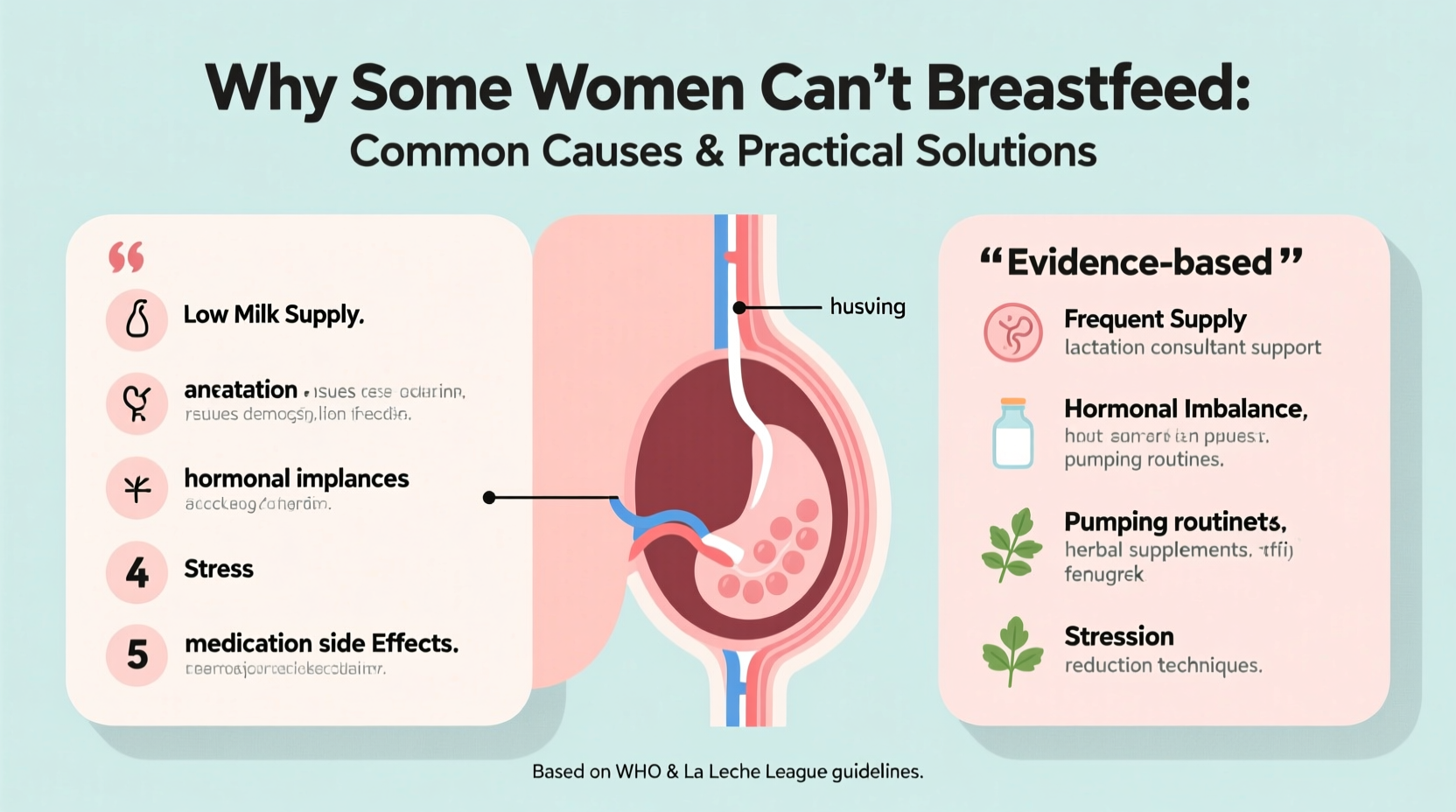
Not all women experience the same ease when it comes to lactation. Certain medical conditions directly impact milk production or the ability to nurse effectively. These are not signs of personal failure, but rather health-related issues requiring informed care.
- Insufficient Glandular Tissue (IGT): Also known as hypoplasia, this condition occurs when the breast lacks adequate milk-producing tissue. Women with IGT may notice minimal breast changes during pregnancy and struggle to produce enough milk despite frequent nursing.
- Hormonal Imbalances: Conditions like polycystic ovary syndrome (PCOS), thyroid disorders, or uncontrolled diabetes can interfere with prolactin and oxytocin—hormones critical for milk production and let-down.
- Prior Breast Surgery: Surgeries involving the areola, nipple, or significant breast reduction can damage milk ducts or nerves needed for lactation.
- Medications: Some drugs, including certain birth control pills, decongestants, and antipsychotics, may suppress milk supply.
“Breastfeeding challenges are often rooted in physiology, not willpower. We must shift from blaming mothers to diagnosing and supporting them.” — Dr. Alison Stuebe, OB-GYN and Lactation Researcher
Common Physical and Mechanical Challenges
Even with healthy glandular function, mechanical issues can prevent successful breastfeeding. These problems are often fixable with early intervention and proper support.
| Challenge | Description | Solution |
|---|---|---|
| Nipple Anatomy | Flat or inverted nipples can make latching difficult. | Use nipple shields, breast shells, or consult a lactation specialist for positioning techniques. |
| Infant Tongue-Tie | A short lingual frenulum restricts tongue movement, impairing suction. | Frenotomy (minor surgical release) often resolves feeding issues quickly. |
| Poor Latch | Baby fails to attach deeply, causing pain and inefficient milk transfer. | Work with an IBCLC (International Board Certified Lactation Consultant) to adjust hold and positioning. |
| Mastitis | Breast infection causing pain, swelling, and fever. | Treat with antibiotics if bacterial; continue nursing to clear blockages. |
Emotional and Environmental Factors
The mind-body connection plays a powerful role in lactation. Stress, trauma, lack of support, and societal pressures can all disrupt the delicate hormonal balance needed for breastfeeding.
Postpartum anxiety and depression affect up to 15% of new mothers and can inhibit the let-down reflex. Sleep deprivation, pressure to “do it all,” and isolation further compound the issue. In some cases, a traumatic birth experience or history of sexual abuse may make breastfeeding emotionally overwhelming.
Cultural expectations also weigh heavily. The myth of “breast is best” without adequate support systems can lead to shame when breastfeeding doesn’t go as planned. Many women feel they’ve failed—even when they’ve done everything right.
Support Strategies for Emotional Well-being
- Seek counseling or therapy for postpartum mood disorders.
- Join breastfeeding support groups, either locally or online.
- Communicate needs clearly with partners, family, and healthcare providers.
- Set realistic goals—partial breastfeeding still offers benefits.
Step-by-Step Guide to Improving Breastfeeding Success
For women facing difficulties, early action makes a critical difference. Follow this timeline to maximize chances of establishing and maintaining a milk supply.
- Within First Hour After Birth: Initiate skin-to-skin contact and attempt the first feed, even if brief. Early contact boosts oxytocin and encourages instinctive feeding behaviors.
- First 24–72 Hours: Nurse 8–12 times per day. Frequent stimulation signals the body to ramp up milk production.
- Day 3–5: Monitor for signs of milk coming in (breast fullness, infant swallowing). If delayed, begin hand expression or pumping to stimulate supply.
- By Day 7: Schedule a visit with a lactation consultant if experiencing pain, low output, or infant weight loss.
- Week 2 Onward: Evaluate infant weight gain. Consider galactagogues (milk-boosting supplements like fenugreek or prescription domperidone) only under medical supervision.
Real-Life Example: A Mother’s Journey with Low Supply
Sophia, a first-time mother, noticed her newborn was fussy and not gaining weight by week two. Despite nursing every two hours, her breasts remained soft. A pediatrician confirmed the baby had lost more than 10% of birth weight. Reluctantly, Sophia introduced formula supplementation.
She consulted an IBCLC who diagnosed possible IGT based on her breast development history. The consultant recommended a hospital-grade pump to stimulate production and guided Sophia through paced bottle feeding to avoid nipple confusion. With donor milk and continued nursing, Sophia eventually established a partial supply. Her son thrived, and she felt empowered—not defeated.
“I thought I was broken,” Sophia shared later. “But learning about IGT helped me see it wasn’t my fault. Support made all the difference.”
Available Solutions and Alternatives
When exclusive breastfeeding isn’t possible, several compassionate and safe alternatives exist:
- Supplemental Nursing System (SNS): Delivers donor milk or formula through a thin tube at the breast, allowing baby to nurse while receiving extra nutrition.
- Donor Milk: Pasteurized human milk from accredited milk banks is ideal for infants with medical needs.
- Formula Feeding: Modern formulas are nutritionally complete. Combining formula with any amount of breastfeeding still provides immune benefits.
- Induced Lactation: For adoptive mothers or those with prior inability to lactate, hormone protocols and pumping can sometimes initiate milk production.
FAQ: Common Questions About Breastfeeding Challenges
Can you run out of breast milk permanently?
True agalactia (complete absence of milk) is extremely rare. Most cases of “low supply” are due to infrequent removal of milk, not inability to produce. With proper stimulation and support, supply can often be increased, especially in the first few weeks.
Does small breast size mean less milk production?
No. Breast size is determined by fatty tissue, not glandular tissue. Women with small breasts can produce ample milk, just as larger-breasted women may struggle due to underlying conditions.
Is it okay to supplement with formula?
Yes. Supplementing does not mean failure. It can be a necessary and healthy choice that supports both maternal mental health and infant nutrition. Responsive feeding—whether by breast, bottle, or both—is what matters most.
Conclusion: Redefining Success in Infant Feeding
Breastfeeding is not a one-size-fits-all journey. For some women, biological realities make it unattainable, and that does not diminish their capacity to nurture. The goal is not perfection—it’s a fed, thriving baby and a supported mother.
Healthcare providers must move beyond simplistic slogans and offer individualized care. Women deserve access to lactation consultants, mental health resources, and nonjudgmental support—regardless of how they choose to feed their babies.
💬 Your story matters. Whether you breastfed, formula-fed, or did both, your experience contributes to a more honest, compassionate conversation. Share your journey and help break the stigma around feeding challenges.








