
Difficulty understanding speech is more than just a momentary lapse in concentration. For many, it's a persistent challenge that affects daily interactions, relationships, and confidence. While some assume the issue lies solely with hearing, the reality is often far more complex. The ability to process spoken language involves a network of auditory, cognitive, and neurological functions. When one part falters, comprehension can break down—leading to frustration, social withdrawal, or misdiagnoses. Understanding the root causes, recognizing symptoms early, and taking targeted action can make a significant difference.
Common Causes of Speech Comprehension Difficulties
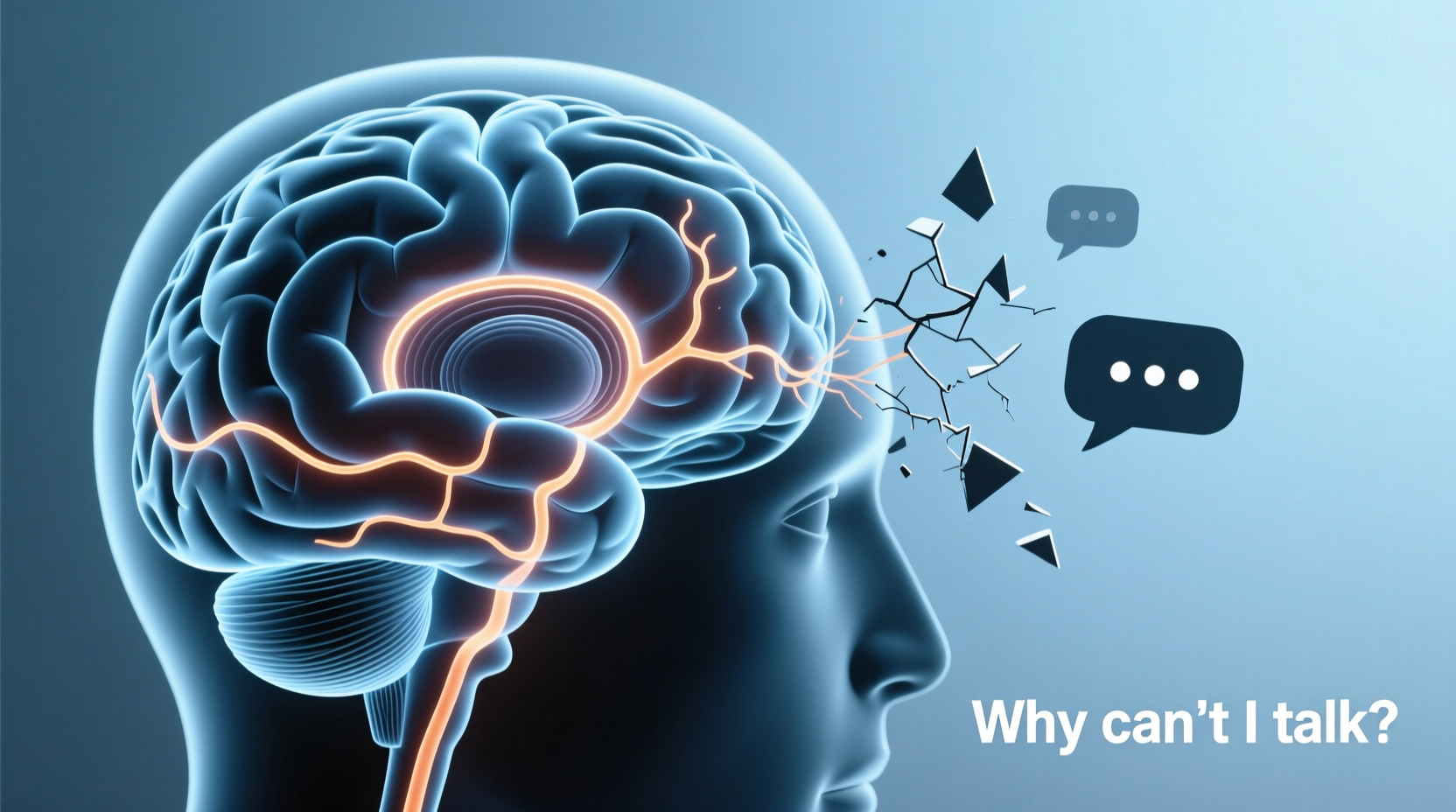
Speech understanding problems stem from various sources, ranging from physical impairments to cognitive processing issues. Identifying the underlying cause is essential for effective intervention.
- Hearing Loss: Age-related (presbycusis) or noise-induced hearing loss often impacts high-frequency sounds, making consonants like “s,” “f,” and “th” difficult to distinguish. This distorts word clarity even if volume seems adequate.
- Auditory Processing Disorder (APD): Individuals with APD have normal hearing sensitivity but struggle to interpret sounds correctly. Background noise, rapid speech, or overlapping voices can overwhelm their brain’s ability to decode language.
- Neurological Conditions: Stroke, traumatic brain injury, or neurodegenerative diseases like dementia can damage areas responsible for language comprehension, such as Wernicke’s area in the temporal lobe.
- Attention Deficits: ADHD or chronic fatigue may reduce focus during conversations, leading to missed information despite intact hearing.
- Psychological Factors: Anxiety, depression, or stress can impair cognitive resources needed for real-time listening and interpretation.
Recognizing the Signs: When to Be Concerned
Occasional misunderstandings are normal, especially in noisy environments. However, consistent patterns may indicate a deeper issue. Key warning signs include:
- Mishearing words that sound similar (“ship” vs. “sheep”)
- Difficulty following group conversations
- Need to concentrate intensely just to follow a simple dialogue
- Fatigue after prolonged listening
- Preference for written communication over phone calls
“Many patients come in thinking they’re losing their mind, when in fact, their auditory system isn’t processing signals efficiently.” — Dr. Lena Torres, Audiologist and Cognitive Hearing Specialist
Diagnosis and Evaluation Process
Accurate diagnosis requires a multidisciplinary approach. A typical assessment includes:
- Hearing Test (Audiogram): Conducted by an audiologist to rule out sensorineural or conductive hearing loss.
- Speech-in-Noise Testing: Evaluates how well you understand speech amid background distractions—a common real-world challenge.
- Central Auditory Processing Evaluation: Assesses the brain’s ability to analyze auditory input, including tests for temporal patterning, dichotic listening, and gap detection.
- Cognitive and Neurological Screening: Performed by a neurologist or neuropsychologist if memory, attention, or language centers are suspected to be involved.
- Lifestyle and Communication History: Clinicians review your work environment, social habits, and emotional health to identify contributing factors.
Table: Common Diagnostic Tools and What They Measure
| Test | Purpose | Administered By |
|---|---|---|
| Tonal Audiometry | Detects hearing thresholds across frequencies | Audiologist |
| QuickSIN™ | Measures speech understanding in noise | Audiologist |
| Dichotic Digits Test | Assesses brain’s ability to process competing signals | APD Specialist |
| MMSE (Mini-Mental State Exam) | Screening for cognitive decline affecting language | Neurologist |
Effective Strategies to Improve Speech Comprehension
Once a cause is identified, targeted interventions can significantly enhance communication abilities. These approaches vary based on diagnosis but often combine technology, training, and environmental adjustments.
1. Use of Assistive Listening Devices
Hearing aids equipped with directional microphones and noise-reduction algorithms help isolate speech from background noise. Personal frequency modulation (FM) systems transmit a speaker’s voice directly to earpieces, ideal in classrooms or meetings.
2. Auditory Training Programs
Structured exercises using software like Listening and Communication Enhancement (LACE) improve speed and accuracy in understanding degraded speech. These programs adapt difficulty levels based on performance, building resilience over time.
3. Environmental Modifications
Simple changes can yield big improvements:
- Sit closer to the speaker and face them directly.
- Choose quiet venues for important conversations.
- Use visual cues—lip reading and facial expressions add context.
- Request speakers to slow down and rephrase instead of repeating.
4. Cognitive Support and Therapy
For those with attention deficits or mild cognitive impairment, working with a speech-language pathologist or cognitive therapist can strengthen working memory, attention control, and language decoding skills.
Real-Life Example: Maria’s Journey to Clearer Communication
Maria, a 58-year-old librarian, began noticing she was missing parts of conversations, especially during staff meetings. She didn’t think her hearing was poor—she could hear the TV fine—but struggled when multiple people spoke at once. After being misdiagnosed with anxiety, she sought a second opinion. An auditory processing evaluation revealed she had mild APD exacerbated by early-stage hearing loss.
With custom-fitted hearing aids and biweekly LACE training sessions, Maria improved her speech-in-noise scores by 40% within three months. She also started using a small FM microphone during team discussions. Today, she reports feeling more confident and engaged at work—and has even joined a book club, something she previously avoided due to fear of misunderstanding dialogue.
Checklist: Steps to Take If You're Struggling to Understand Speech
- ✅ Acknowledge the problem without self-blame
- ✅ Schedule a comprehensive hearing test
- ✅ Request an auditory processing evaluation if standard tests are normal
- ✅ Evaluate your mental health and cognitive load
- ✅ Try assistive devices or apps designed for speech clarity
- ✅ Practice active listening techniques daily
- ✅ Educate family and coworkers about your needs
Frequently Asked Questions
Can understanding difficulties occur even if my hearing test is normal?
Yes. Normal hearing sensitivity doesn’t guarantee normal processing. Auditory Processing Disorder (APD) affects how the brain interprets sound, not the ear’s ability to detect it. People with APD often pass standard hearing tests but still struggle in real-world listening situations.
Are children and adults affected differently?
Children may show signs through academic struggles, mispronouncing words, or appearing inattentive in class. Adults typically notice issues in meetings, on phone calls, or in social gatherings. Early intervention in children can prevent learning gaps, while adults benefit most from adaptive technologies and communication strategies.
Can lifestyle changes really make a difference?
Absolutely. Reducing exposure to loud noise, managing stress, staying physically active, and engaging in mentally stimulating activities all support auditory and cognitive health. Even small adjustments—like positioning yourself strategically in a room—can dramatically improve comprehension.
Conclusion: Reclaim Your Ability to Connect
Struggling to understand speech doesn’t mean you’re broken—it means your communication system needs support. Whether the root lies in hearing, processing, or cognition, solutions exist. From advanced hearing technology to brain-training exercises and simple conversational etiquette, progress is possible at any age. The first step is awareness, followed by action. Don’t let misunderstandings isolate you from the people and experiences you value.
💬 You’re not alone. Share your story or tips in the comments below—your experience could help someone finally feel heard.








