
Brown rice is more than just a staple grain—it’s a powerhouse of nutrition that has earned its place in health-conscious diets around the world. Unlike white rice, which undergoes extensive processing that strips away essential nutrients, brown rice retains its bran and germ layers, preserving fiber, vitamins, minerals, and beneficial plant compounds. As people increasingly seek whole, minimally processed foods, brown rice stands out as a smart choice for long-term health and wellness.
From supporting heart function to stabilizing blood sugar, the advantages of including brown rice in your diet are both broad and well-supported by science. Whether you're managing a chronic condition or simply aiming to eat cleaner, understanding the full scope of brown rice’s benefits can help you make informed dietary decisions.
Nutritional Profile of Brown Rice
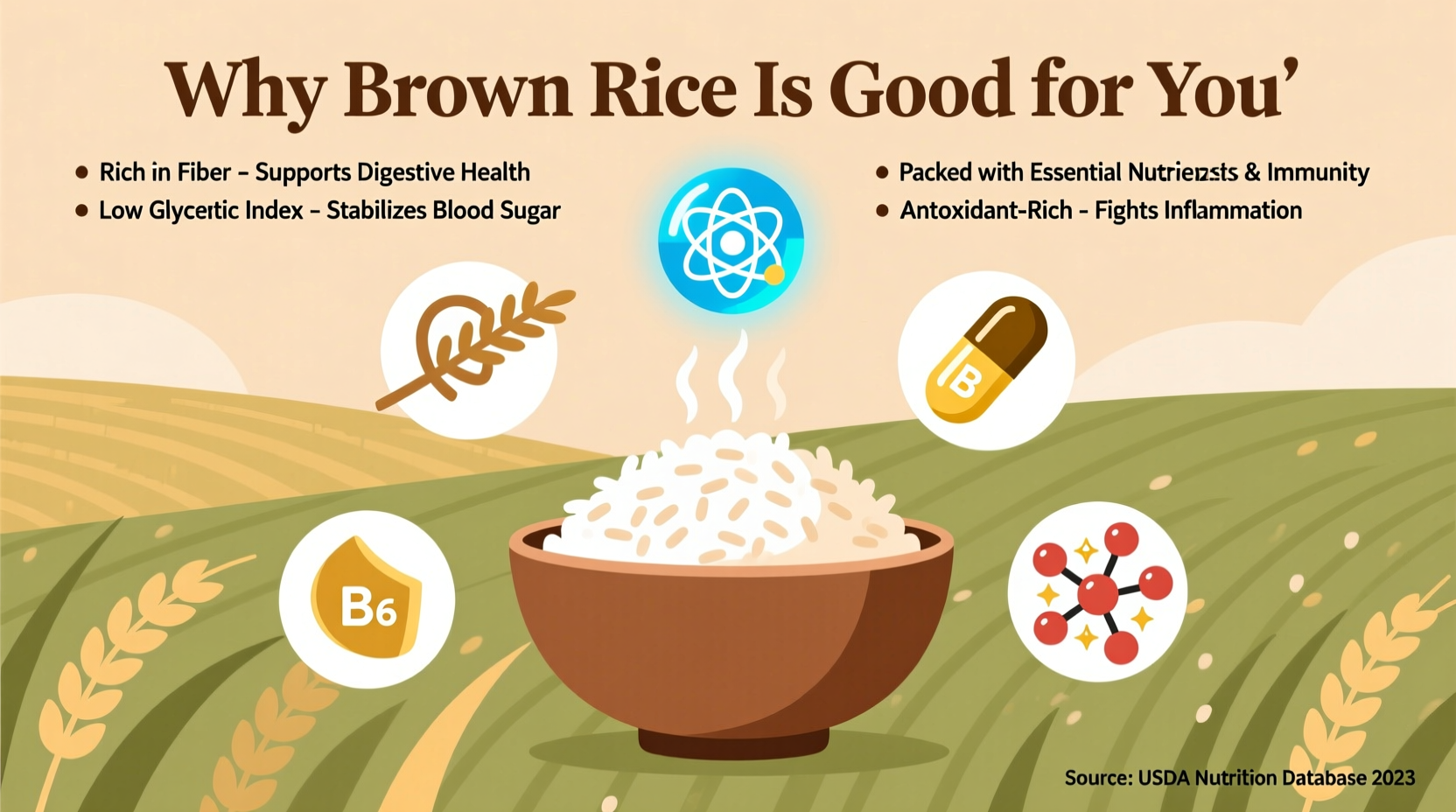
One cup (about 195 grams) of cooked brown rice contains approximately:
| Nutrient | Amount per Cup (Cooked) |
|---|---|
| Calories | 215 kcal |
| Protein | 5 g |
| Fat | 1.8 g |
| Carbohydrates | 45 g |
| Dietary Fiber | 3.5 g |
| Manganese | 88% of the Daily Value (DV) |
| Magnesium | 21% of the DV |
| Phosphorus | 16% of the DV |
| Selenium | 14% of the DV |
| Vitamin B6 | 14% of the DV |
| Niacin (B3) | 15% of the DV |
The high manganese content is particularly noteworthy—this mineral plays a crucial role in bone formation, metabolism, and antioxidant defense. Magnesium supports nerve and muscle function, while selenium contributes to thyroid health and immune regulation. Combined with a moderate glycemic index (around 68), brown rice provides sustained energy without sharp spikes in blood glucose.
Tip: Rinse brown rice before cooking to remove surface starch and reduce stickiness. Soaking it for 30 minutes can also shorten cooking time and improve digestibility.Heart Health and Cholesterol Management
Cardiovascular disease remains a leading cause of death globally, but dietary choices like consuming whole grains significantly influence risk. Brown rice is rich in soluble fiber, which helps lower LDL (\"bad\") cholesterol levels by binding to bile acids in the digestive tract and promoting their excretion.
A study published in the American Journal of Clinical Nutrition found that individuals who consumed at least three servings of whole grains daily had a 22% lower risk of heart disease compared to those who ate less than one serving per week. The presence of gamma-oryzanol—a compound unique to rice bran—has been shown to inhibit cholesterol absorption and reduce arterial plaque buildup.
“Replacing refined grains with whole grains like brown rice is one of the simplest yet most effective dietary changes for improving cardiovascular outcomes.” — Dr. Linda Chen, Registered Dietitian and Cardiovascular Nutrition Specialist
Digestive Benefits and Gut Health
The fiber in brown rice isn’t just good for cholesterol—it's also essential for maintaining a healthy digestive system. With 3.5 grams of fiber per cup, brown rice supports regular bowel movements and helps prevent constipation. Unlike insoluble fiber alone, brown rice offers a mix of both soluble and insoluble fiber, feeding beneficial gut bacteria while adding bulk to stool.
Emerging research highlights the importance of gut microbiota in overall health, linking balanced intestinal flora to improved immunity, mood regulation, and reduced inflammation. The prebiotic effect of brown rice fiber encourages the growth of probiotics such as Lactobacillus and Bifidobacterium, contributing to a resilient digestive ecosystem.
- Promotes regularity and prevents diverticular disease
- Reduces bloating when introduced gradually into the diet
- Supports detoxification through efficient waste elimination
Weight Management and Satiety
For those aiming to manage or lose weight, brown rice offers a satisfying alternative to refined carbohydrates. Its complex carbohydrate structure digests slowly, leading to prolonged feelings of fullness and reduced hunger between meals.
In a randomized controlled trial conducted in Japan, participants who replaced white rice with brown rice for six weeks experienced modest but significant reductions in body weight, waist circumference, and BMI. Researchers attributed these results to increased satiety and improved insulin sensitivity.
Brown rice also has a thermogenic effect—your body burns slightly more calories digesting it than it does processing refined grains. While the difference per meal is small, over time, this metabolic advantage can contribute to better weight control.
- Cook a batch of brown rice at the start of the week for easy meal prep.
- Use it as a base for grain bowls with lean protein and vegetables.
- Swap white rice for brown in stir-fries, soups, and casseroles.
- Combine with legumes for a complete plant-based protein source.
- Experiment with different varieties like short-grain, long-grain, or sprouted brown rice for texture variety.
Diabetes Support and Blood Sugar Regulation
Despite being a carbohydrate-rich food, brown rice can be part of a diabetes-friendly diet due to its moderate glycemic index and high fiber content. Fiber slows the release of glucose into the bloodstream, preventing rapid insulin spikes that can lead to insulin resistance over time.
A large-scale analysis from Harvard University revealed that replacing just one-third of a daily serving of white rice with brown rice was associated with a 16% lower risk of developing type 2 diabetes. Another study showed that overweight adults with prediabetes who consumed brown rice daily for eight weeks improved fasting blood glucose and HbA1c levels.
Tip: Pair brown rice with healthy fats (like avocado or olive oil) and protein (such as grilled chicken or tofu) to further stabilize blood sugar response after meals.Real-Life Example: Maria’s Transition to Whole Grains
Maria, a 42-year-old office worker from Austin, Texas, struggled with low energy and fluctuating blood sugar for years. After being diagnosed with prediabetes, her doctor recommended eliminating white rice and switching to whole grains. She began substituting brown rice for white in her favorite Mexican and Asian dishes.
Within two months, Maria reported fewer afternoon crashes, improved digestion, and a 7-pound weight loss without making other major changes to her diet. Her follow-up lab tests showed a noticeable drop in fasting glucose. “I didn’t think a simple swap would make such a difference,” she said. “Now I don’t even miss white rice.”
Frequently Asked Questions
Is brown rice really healthier than white rice?
Yes. Brown rice retains the bran and germ, which contain most of the fiber, vitamins, and antioxidants. White rice is milled and polished, removing up to 90% of these nutrients. Enriched white rice adds back some vitamins, but not fiber or phytochemicals.
Can I eat brown rice every day?
Yes, in moderation. Eating brown rice daily can be part of a balanced diet. However, vary your grains to ensure nutrient diversity—consider rotating with quinoa, barley, farro, or oats.
Does brown rice contain arsenic?
It can, especially if grown in contaminated soil. To minimize exposure, rinse rice thoroughly before cooking, use a higher water-to-rice ratio (6:1), and consider sourcing from regions with lower arsenic levels, such as California or India. Varying grain intake also reduces cumulative risk.
How to Cook Perfect Brown Rice: A Simple Guide
Follow this foolproof method for fluffy, tender brown rice every time:
- Rinse: Place 1 cup of brown rice in a fine-mesh strainer and rinse under cold water until the water runs clear.
- Soak (optional): Soak for 30 minutes to reduce phytic acid and improve digestibility.
- Ratio: Use 2.5 cups of water or broth for every 1 cup of rice.
- Cook: Bring to a boil, then reduce heat to low, cover, and simmer for 40–45 minutes.
- Rest: Remove from heat and let stand, covered, for 10 minutes. Fluff with a fork before serving.
Conclusion: Make the Switch for Long-Term Wellness
Choosing brown rice over refined grains is a small change with outsized benefits. It supports heart health, aids digestion, assists in weight control, and promotes stable blood sugar—all while delivering essential nutrients missing in processed alternatives. Backed by clinical research and real-world success stories, brown rice proves that foundational dietary improvements don’t need to be complicated.
Start incorporating brown rice into your meals this week. Try it in salads, burritos, stir-fries, or as a side dish. Over time, this single switch can become part of a broader shift toward whole, nourishing foods that support lifelong vitality.
💬 Have you made the switch to brown rice? Share your favorite recipes or tips in the comments below!








