Cupping therapy, an ancient healing practice rooted in traditional Chinese medicine (TCM), has gained widespread popularity in modern wellness circles. One of the most noticeable outcomes of this therapy is the appearance of circular marks on the skin—ranging from light pink to deep purple. While many embrace these marks as signs of detoxification or healing, questions often arise: Why are some cupping marks darker than others? What do the colors actually indicate? Understanding the spectrum of cupping mark hues provides insight into the body’s response to treatment and helps separate myth from medical reality.
The Science Behind Cupping Marks
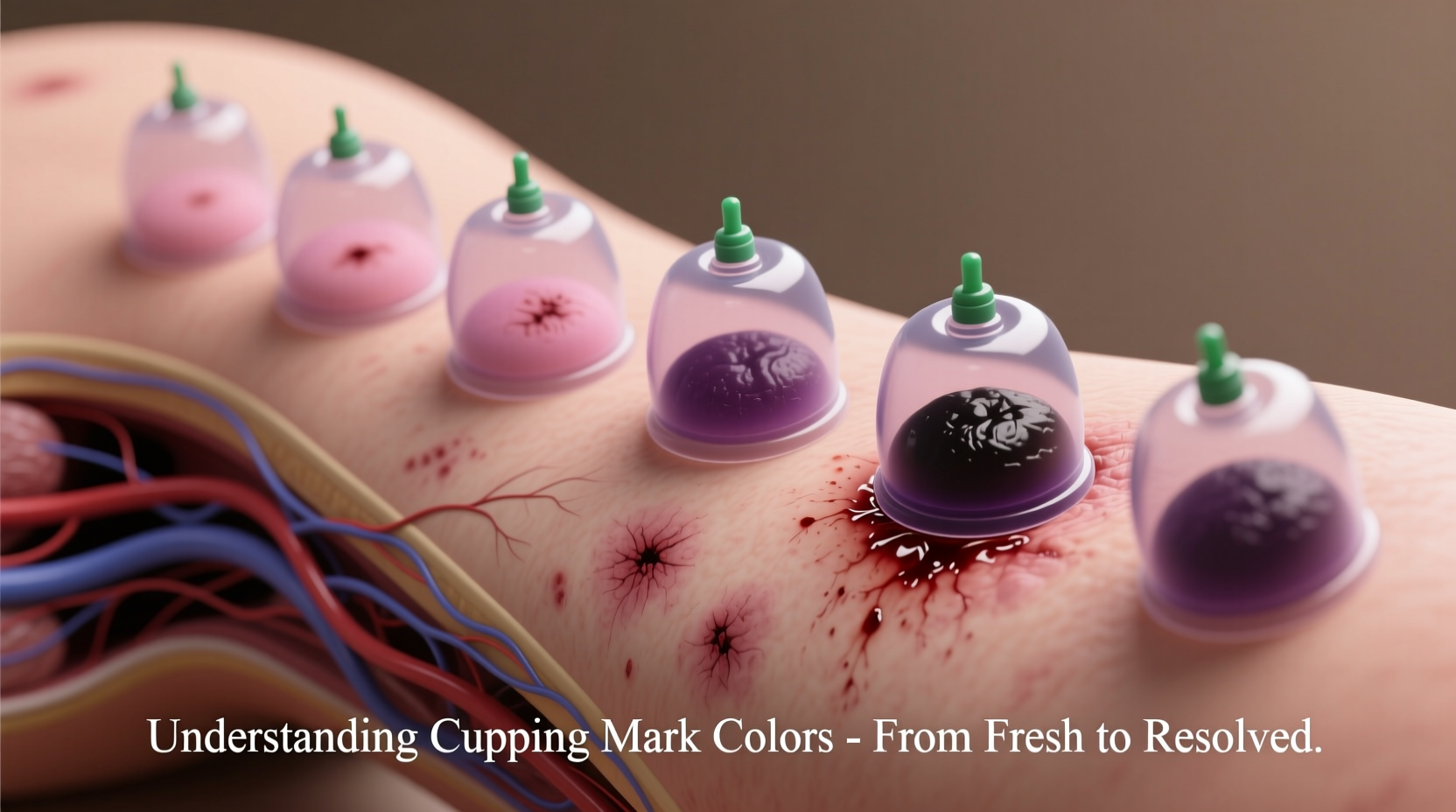
Cupping involves placing specialized cups on the skin and creating a vacuum, either through heat or a mechanical pump. This suction pulls the skin and superficial muscle layer upward, causing capillaries beneath the surface to rupture slightly. The result is a bruise-like mark, medically known as a *hematoma*, formed by pooled blood under the skin.
Contrary to popular belief, these marks are not “toxins” being pulled out. Instead, they reflect localized changes in circulation and tissue response. The intensity of the color depends on several physiological factors, including the level of suction, duration of cup placement, skin sensitivity, and—most importantly—the individual’s underlying circulatory and muscular condition.
“Cupping marks are a visible sign of increased blood flow and microtrauma to capillary beds. Darker shades often correlate with areas of stagnation or tension.” — Dr. Lin Mei, Licensed Acupuncturist and TCM Practitioner
Decoding Cupping Mark Colors: A Visual Guide
The color of cupping marks can range dramatically from person to person—and even from session to session. Below is a detailed breakdown of common mark colors and their typical interpretations within the context of TCM and modern clinical observation.
| Color | Likely Meaning | Duration |
|---|---|---|
| Light Pink or Red | Normal circulation; mild suction or short duration. Common in first-time users. | 1–3 days |
| Bright Red | Increased blood flow; possible inflammation or heat in the area. | 3–5 days |
| Dark Red or Maroon | Moderate stagnation; muscle tension or chronic tightness. | 5–7 days |
| Purple or Blue | Significant blood stagnation; poor circulation or long-standing injury. | 7–10 days |
| Black or Deep Violet | Possible severe stagnation; may indicate chronic pain or trauma. | 10+ days |
| No Mark or Faint | Good circulation; low stagnation; or very light suction applied. | Fades within hours |
It's important to note that while TCM practitioners use these color interpretations as diagnostic clues, they are not definitive medical indicators. Individual variation in skin tone, capillary fragility, and overall health can influence how marks appear.
Tip: If you're new to cupping, start with lighter suction and shorter durations to assess your skin’s reaction before progressing to deeper sessions.Why Some Marks Are Darker: Key Factors
Darker cupping marks are not inherently better or more effective—they simply reflect specific bodily conditions. Several interrelated factors contribute to the depth of color observed after a session.
- Blood Stagnation: In TCM, dark marks often point to \"blood stasis,\" where circulation is sluggish due to injury, stress, or chronic tension. Areas like the upper back, shoulders, and neck commonly show darker marks because these regions frequently harbor built-up tension.
- Suction Intensity: Stronger vacuum pressure causes greater capillary rupture, leading to more pronounced bruising. Adjustable pump cups allow precise control, helping practitioners tailor suction levels.
- Duration of Application: Cups typically remain on the skin for 5 to 15 minutes. Longer durations increase the likelihood of deeper marks, especially in sensitive individuals.
- Tissue Health: Muscles with restricted movement, scar tissue, or past injuries may respond more intensely to suction due to compromised microcirculation.
- Individual Physiology: People with thinner skin, higher capillary density, or conditions like anemia or clotting disorders may bruise more easily.
Mini Case Study: Shoulder Pain and Persistent Purple Marks
Jessica, a 38-year-old office worker, began cupping therapy to relieve chronic shoulder pain caused by prolonged sitting and poor posture. During her first session, deep purple marks appeared across her upper trapezius muscles—areas where she reported constant tightness. Her practitioner noted limited range of motion and significant muscle stiffness.
Over six weekly sessions, the marks gradually lightened to maroon and then bright red. Simultaneously, Jessica reported improved mobility and reduced discomfort. By the eighth session, only faint pink marks remained, correlating with her increased flexibility and decreased pain levels. This progression illustrates how repeated cupping can resolve stagnation over time, reflected visibly in fading mark intensity.
What Darker Marks Do Not Mean
Despite widespread claims, darker cupping marks do not necessarily mean:
- Toxins are being expelled from the body.
- The treatment was more effective than one producing lighter marks.
- Detoxification is occurring at a cellular level.
There is no scientific evidence supporting the idea that cupping removes toxins. The human liver and kidneys perform detoxification naturally. The marks are simply localized bruising resulting from suction-induced capillary damage. While cupping may support circulation and relaxation, attributing detox effects to skin discoloration is misleading.
Step-by-Step: How to Interpret and Respond to Your Cupping Marks
- Observe the Color: Immediately after the session, note the shade and distribution of marks. Take photos if needed for tracking.
- Assess Sensations: Pay attention to any changes in pain, mobility, or muscle tightness in the treated areas.
- Monitor Duration: Track how long marks take to fade. Rapid fading may suggest good circulation; prolonged discoloration could indicate ongoing stagnation.
- Compare Over Time: With regular sessions, compare mark patterns. Lightening over time often reflects therapeutic progress.
- Communicate with Your Practitioner: Share your observations and symptoms to help adjust suction strength and treatment focus.
FAQ: Common Questions About Cupping Mark Colors
Do darker cupping marks mean the treatment worked better?
No. Effectiveness should be measured by symptom relief—not mark darkness. Lighter marks can still produce significant therapeutic benefits, especially when applied consistently.
Can cupping cause permanent bruising?
In rare cases, excessive suction or overly long application may lead to persistent pigmentation, particularly in individuals with sensitive skin. However, most marks fade completely within 1–2 weeks without lasting effects.
Should I be concerned if I don’t get any marks?
Not at all. Lack of visible marks doesn't mean the therapy wasn’t effective. Some people simply don’t bruise easily, and benefits like muscle relaxation or improved circulation can occur without visible discoloration.
Conclusion: Embrace the Marks, Understand the Meaning
Cupping marks—especially darker ones—are not something to fear or fetishize. They are temporary, natural responses to suction therapy that offer valuable feedback about your body’s condition. Whether you see faint pink rings or deep violet circles, the real measure of success lies in how you feel: reduced pain, improved movement, and enhanced well-being.
Understanding the colors helps demystify the process and empowers you to engage more thoughtfully with your treatments. Rather than chasing dramatic discoloration, focus on consistency, proper technique, and communication with a qualified practitioner. Over time, the evolution of your marks can become a visual journal of your healing journey.
💬 Have you noticed changes in your cupping marks over time? Share your experience or questions below—your insights could help others navigate their wellness path with confidence.