
Dry, itchy lips are more than just an annoyance—they can be painful, unsightly, and sometimes a sign of underlying health issues. Unlike the rest of your skin, lips lack oil glands and a thick protective barrier, making them especially vulnerable to environmental stressors and dehydration. While occasional chapping is normal, persistent dryness and itching may point to habits, allergies, or medical conditions that need attention. Understanding the root causes and knowing how to respond effectively can make a significant difference in both comfort and long-term lip health.
Common Causes of Dry and Itchy Lips
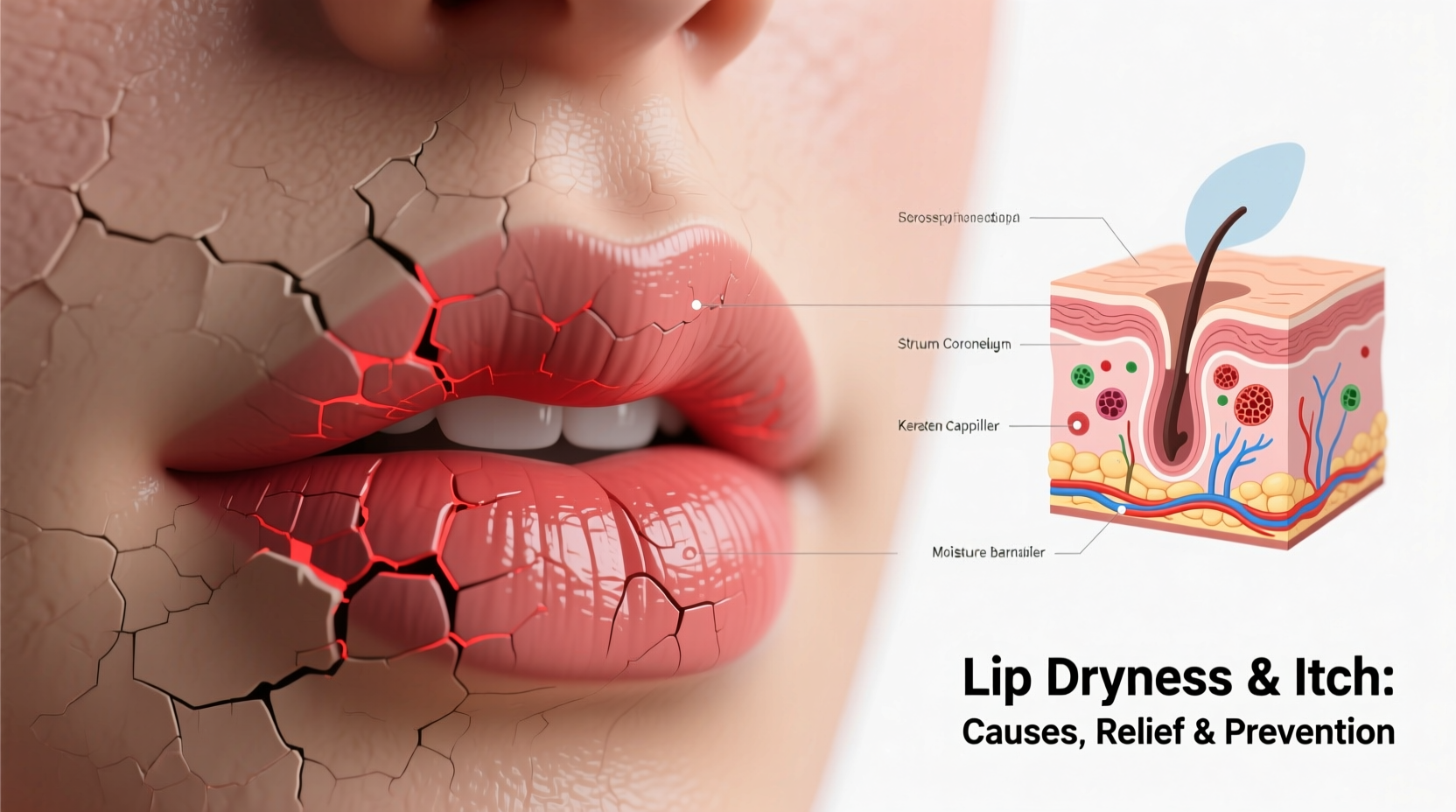
Lip dryness and itchiness stem from a combination of external factors, behaviors, and internal conditions. Identifying the cause is the first step toward proper treatment.
- Dehydration: Not drinking enough water reduces moisture in all skin layers, including lips.
- Cold or dry weather: Low humidity, wind, and indoor heating strip natural moisture.
- Lip licking: Saliva evaporates quickly, leaving lips drier and more prone to irritation.
- Allergic reactions: Toothpaste, lip products, or foods (like cinnamon or citrus) may trigger contact dermatitis.
- Nutritional deficiencies: Low levels of B vitamins, iron, or zinc can manifest as cracked or inflamed lips.
- Medications: Some acne treatments, retinoids, or antihistamines have drying side effects.
- Sun exposure: UV rays damage delicate lip tissue, leading to peeling and sensitivity.
- Medical conditions: Eczema, psoriasis, angular cheilitis, or autoimmune disorders like Sjögren’s syndrome can affect the lips.
Effective Relief Strategies for Immediate Comfort
When your lips are already dry and itchy, immediate soothing is essential to prevent further damage like bleeding or infection. The key is to hydrate gently and protect the area from irritants.
- Stop licking your lips: This habit worsens dryness. Become aware of the behavior and consciously avoid it.
- Use a fragrance-free lip balm: Look for ingredients like shea butter, ceramides, or petrolatum that seal in moisture.
- Apply a warm compress: Dampen a clean cloth with lukewarm water and hold it on your lips for 1–2 minutes to soften crusts and reduce inflammation.
- Avoid flavored or medicated lip products: Mint, camphor, or phenol can increase irritation despite temporary cooling effects.
- Stay hydrated: Drink at least 8 glasses of water daily to support skin hydration from within.
“Repeated lip licking creates a vicious cycle—saliva breaks down the skin barrier, leading to more dryness and itching.” — Dr. Lena Patel, Dermatologist
Prevention: Building a Sustainable Lip Care Routine
Preventing dry, itchy lips requires consistent habits and awareness of triggers. Think of your lips as sensitive skin that needs daily protection, not just rescue when problems arise.
| Do | Don’t |
|---|---|
| Use a lip balm with SPF 30+ daily | Peel or pick at flaking skin |
| Reapply balm after eating or drinking | Use expired or shared lip products |
| Humidify indoor air during winter | Smoke or vape, which dries oral tissues |
| Eat a balanced diet rich in vitamins B2, B6, B12, and E | Sleep with your mouth open, causing airflow over lips |
When to See a Doctor: Signs of Underlying Conditions
Most cases of dry lips resolve with self-care. However, persistent symptoms lasting more than two weeks, especially with pain, swelling, or sores, warrant professional evaluation.
Conditions such as angular cheilitis—characterized by red, cracked corners of the mouth—often result from fungal or bacterial infections and require prescription creams. Similarly, chronic lip inflammation could indicate eczema or an allergic reaction needing patch testing.
In rare cases, recurring lip issues may be linked to autoimmune diseases. For example, Sjögren’s syndrome attacks moisture-producing glands, leading to dry eyes, mouth, and lips. Early diagnosis improves management and quality of life.
Mini Case Study: Sarah’s Persistent Lip Irritation
Sarah, a 34-year-old teacher, struggled with itchy, peeling lips for months. She tried multiple balms, avoided spicy foods, and drank plenty of water, but saw no improvement. After visiting a dermatologist, she discovered she was allergic to cinnamaldehyde—a common ingredient in flavored toothpastes and lip products. Switching to fragrance-free, hypoallergenic products brought complete relief within three weeks. Her case highlights how hidden allergens can undermine even diligent care routines.
Step-by-Step Guide to Healing and Protecting Your Lips
Follow this practical 5-day plan to restore lip health and build long-term resilience:
- Day 1: Cleanse gently with lukewarm water. Pat dry. Apply a thick ointment like pure petroleum jelly. Avoid all flavored or scented lip products.
- Day 2–3: Reapply ointment every 2–3 hours, especially after meals. Use a humidifier if indoor air is dry. Begin tracking any products used near the mouth.
- Day 4: Introduce a nourishing balm with ceramides or hyaluronic acid. Continue avoiding potential irritants like mint or alcohol-based sanitizers.
- Day 5: Assess improvement. If lips remain cracked or itchy, discontinue all non-essential products and consult a healthcare provider.
- Ongoing: Incorporate SPF lip balm into your morning routine. Stay hydrated and maintain a nutrient-rich diet.
Frequently Asked Questions
Can vitamin deficiencies cause dry lips?
Yes. Deficiencies in B vitamins—especially riboflavin (B2), pyridoxine (B6), and cobalamin (B12)—are commonly linked to chapped lips and mouth corner cracks. Iron deficiency can also contribute. A blood test can confirm imbalances, and supplementation under medical supervision often leads to improvement.
Is it safe to exfoliate dry lips?
Only when done gently and infrequently. Over-exfoliation damages thin lip skin. If needed, use a soft toothbrush or a homemade scrub (1 tsp honey + 1 tsp sugar) once a week. Always follow with a moisturizing balm.
Why do my lips get worse in winter?
Cold air holds less moisture, and indoor heating further dries the environment. Combined with increased tendency to breathe through the mouth due to congestion, lips lose hydration rapidly. Using a humidifier and applying balm proactively can counteract these effects.
Conclusion: Take Control of Your Lip Health
Dry, itchy lips don’t have to be a constant struggle. By understanding the causes—from environmental exposure to nutritional gaps—and applying targeted relief and prevention strategies, you can achieve smoother, healthier lips year-round. Small changes in daily habits, like switching to non-irritating products or staying consistently hydrated, yield lasting results. If home care doesn’t bring improvement, don’t hesitate to seek medical advice—your lips may be signaling a deeper issue that deserves attention.
🚀 Start today: Replace your current lip product with a simple, fragrance-free balm and track how your lips respond over the next week. Share your experience or questions in the comments below—your insight could help someone else find relief.








