
Itchy eyes are more than just a minor annoyance—they can interfere with daily life, disrupt sleep, and affect concentration. While occasional irritation might be harmless, persistent itching often signals an underlying issue. Whether triggered by environmental factors, health conditions, or lifestyle habits, understanding the root causes is essential for finding real relief. This article explores the most frequent reasons behind chronic eye itchiness, offers science-backed solutions, and provides practical steps to restore comfort and eye health.
Allergies: The Leading Culprit Behind Itchy Eyes
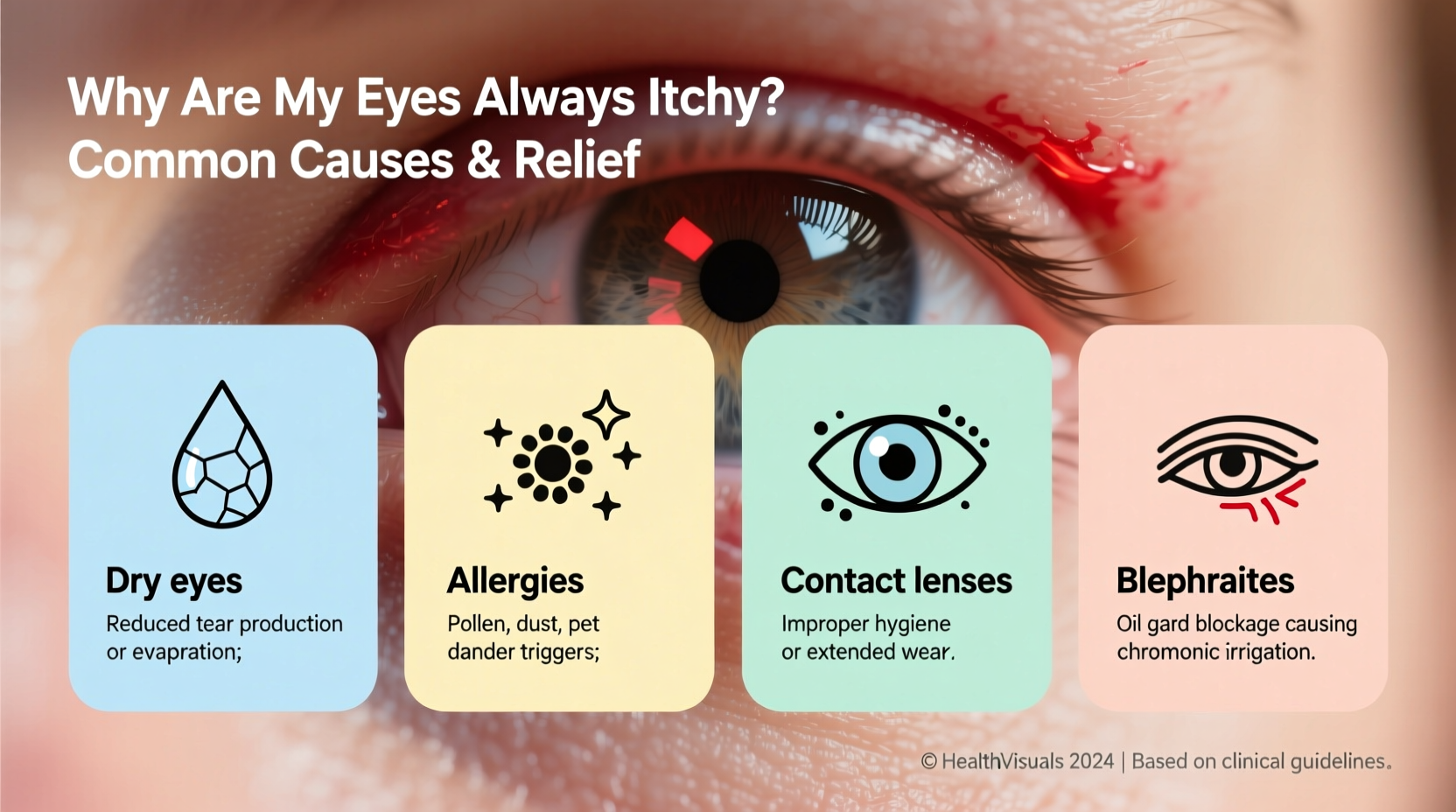
Seasonal and perennial allergies top the list of causes for itchy eyes. When allergens like pollen, dust mites, pet dander, or mold spores enter the eye, the immune system responds by releasing histamine—a chemical that triggers inflammation, redness, and intense itching.
This reaction, known as allergic conjunctivitis, typically affects both eyes and is often accompanied by sneezing, nasal congestion, and watery discharge. Unlike infections, allergic reactions rarely cause pain or significant vision changes.
Tip: Use wraparound sunglasses outdoors during high pollen seasons to reduce allergen exposure.Indoor allergens can be just as problematic. Dust accumulation in bedding, carpets, and air filters contributes to year-round symptoms. Regular cleaning, hypoallergenic pillowcases, and HEPA air purifiers can significantly reduce indoor triggers.
“Allergic eye disease is one of the most common reasons patients seek eye care. Early identification and avoidance strategies are key.” — Dr. Lena Patel, Ophthalmologist and Allergy Specialist
Dry Eye Syndrome: When Lack of Moisture Causes Itching
Dry eye syndrome occurs when the eyes don’t produce enough tears or when tears evaporate too quickly. Contrary to intuition, dry eyes often feel itchy rather than dry. This happens because the ocular surface becomes irritated, prompting nerve responses that mimic itchiness.
Modern lifestyles contribute heavily to this condition. Prolonged screen time reduces blink rate by up to 60%, leading to increased tear evaporation. Other risk factors include aging, hormonal changes (especially in women), certain medications (like antihistamines and antidepressants), and autoimmune diseases such as Sjögren’s syndrome.
| Factor | Impact on Dry Eyes | Management Strategy |
|---|---|---|
| Screen Use | Reduces blinking, increases evaporation | Follow 20-20-20 rule; use artificial tears |
| Low Humidity | Accelerates tear loss | Use humidifier indoors |
| Contact Lenses | Can absorb moisture and irritate surface | Switch materials or limit wear time |
| Medications | Reduce tear production | Consult doctor for alternatives |
Environmental and Lifestyle Triggers
Beyond medical conditions, everyday environments play a major role in eye discomfort. Air pollution, cigarette smoke, chlorine from swimming pools, and even prolonged exposure to air conditioning or heating systems can strip moisture and irritate the delicate eye surface.
Cosmetic use is another overlooked factor. Eyeliners, mascaras, and eyeshadows—especially waterproof formulas—can flake into the eyes or block oil glands along the eyelid margin. This blockage leads to meibomian gland dysfunction, a common contributor to chronic dryness and itching.
Tip: Avoid applying eyeliner on the inner edge of the eyelids to prevent gland clogging.Even seemingly harmless habits like rubbing your eyes can worsen symptoms. Rubbing stimulates histamine release, creating a vicious cycle of temporary relief followed by intensified itching.
Mini Case Study: Office Worker with Persistent Eye Itch
Sarah, a 34-year-old graphic designer, experienced worsening eye itch after switching to a new office space. Despite using over-the-counter allergy drops, her symptoms persisted for weeks. Upon evaluation, her ophthalmologist discovered that the building’s HVAC system circulated dust and mold particles, and her desk was directly under a vent. Additionally, she spent 9+ hours daily on digital screens with minimal breaks.
After relocating her workspace, installing an air purifier, adopting the 20-20-20 rule, and switching to preservative-free artificial tears, Sarah reported significant improvement within two weeks. Her case highlights how multiple environmental and behavioral factors can converge to create chronic eye discomfort.
Infections and Inflammatory Conditions
While less common than allergies or dryness, infections like viral or bacterial conjunctivitis can cause itching, especially in early stages. Viral conjunctivitis often starts in one eye and spreads to the other, accompanied by watery discharge and mild light sensitivity. Bacterial forms usually present with thick, yellow-green discharge and crusting overnight.
Blepharitis—an inflammation of the eyelid margins—is another frequent cause of persistent eye itch. It results from bacterial overgrowth, oily skin conditions like rosacea, or malfunctioning oil glands. Symptoms include gritty sensations, redness, flaking around the lashes, and burning.
Unlike allergic or dry eye itch, infections may require prescription treatments such as antibiotic ointments or antiviral drops. Self-diagnosis is risky; persistent symptoms should prompt professional evaluation.
Step-by-Step Guide to Immediate Relief
- Stop rubbing your eyes – This worsens inflammation and can lead to corneal damage over time.
- Rinse with saline solution – Flush out allergens or irritants using preservative-free artificial tears or sterile eye wash.
- Apply a cold compress – Soak a clean cloth in cold water and place it over closed eyes for 5–10 minutes to soothe itching and reduce swelling.
- Use over-the-counter antihistamine eye drops – Look for products containing ketotifen, which blocks histamine and provides long-lasting relief.
- Take a break from contacts and makeup – Allow your eyes to recover without additional stressors.
- Identify and remove triggers – Clean bedding, replace air filters, avoid smoky environments.
- Seek medical advice if symptoms persist beyond 48 hours – Especially if you notice pain, vision changes, or discharge.
Prevention Checklist: Reduce Itchy Eye Episodes
- Wash hands frequently, especially before touching your face
- Replace pillowcases every 3–4 days to minimize allergen buildup
- Use fragrance-free laundry detergents for bedding and towels
- Keep windows closed during high pollen counts
- Stay hydrated to support natural tear production
- Use lubricating eye drops daily if prone to dryness
- Avoid sharing towels or cosmetics
- Get regular eye exams to monitor underlying conditions
Frequently Asked Questions
Can dehydration cause itchy eyes?
Yes. Dehydration reduces overall fluid levels in the body, including tear production. When the eyes aren't sufficiently lubricated, they become dry and irritated, often triggering an itchy sensation. Drinking adequate water—typically 6–8 glasses per day—can help maintain ocular moisture.
Are some people more prone to itchy eyes than others?
Individuals with a history of allergies, asthma, or eczema are more likely to experience allergic eye symptoms. Contact lens wearers, those who spend long hours on digital devices, and people over 50 are also at higher risk due to reduced tear function. Genetics and environment both play roles in susceptibility.
When should I see a doctor for itchy eyes?
See an eye care professional if itching lasts more than a few days despite home treatment, is accompanied by pain or blurred vision, or if you suspect an infection. Chronic or recurring symptoms may indicate an underlying condition requiring diagnosis and targeted therapy.
Final Thoughts: Take Control of Your Eye Comfort
Chronic eye itch is not something you have to endure. With careful attention to triggers, consistent hygiene practices, and timely intervention, most cases can be managed effectively. Recognizing whether your symptoms stem from allergies, dryness, or environmental exposure allows for smarter, more targeted relief.
Don’t ignore persistent discomfort. Small changes—like upgrading your pillowcase material, adjusting screen habits, or consulting an eye specialist—can make a dramatic difference in your quality of life.
💬 Have you found a solution that works for your itchy eyes? Share your experience in the comments and help others discover what brings lasting relief.








