If you’ve recently left the salon with sore, cracked, or even bleeding cuticles, you’re not alone—but it’s not normal. While manicures are meant to enhance the appearance of your hands, aggressive handling or unsterile tools can lead to injury and open the door for infections. Bleeding cuticles post-manicure are a red flag that something went wrong during the service, and understanding why it happened is the first step in preventing complications.
Cuticles serve as a protective barrier between your nail bed and the outside environment. When compromised, bacteria, fungi, and viruses can enter the skin, potentially leading to painful infections like paronychia or even systemic issues in rare cases. This article explores the causes behind bleeding cuticles after a salon treatment, outlines the associated infection risks, and provides actionable steps to safeguard your nail health moving forward.
Common Causes of Cuticle Damage During Manicures
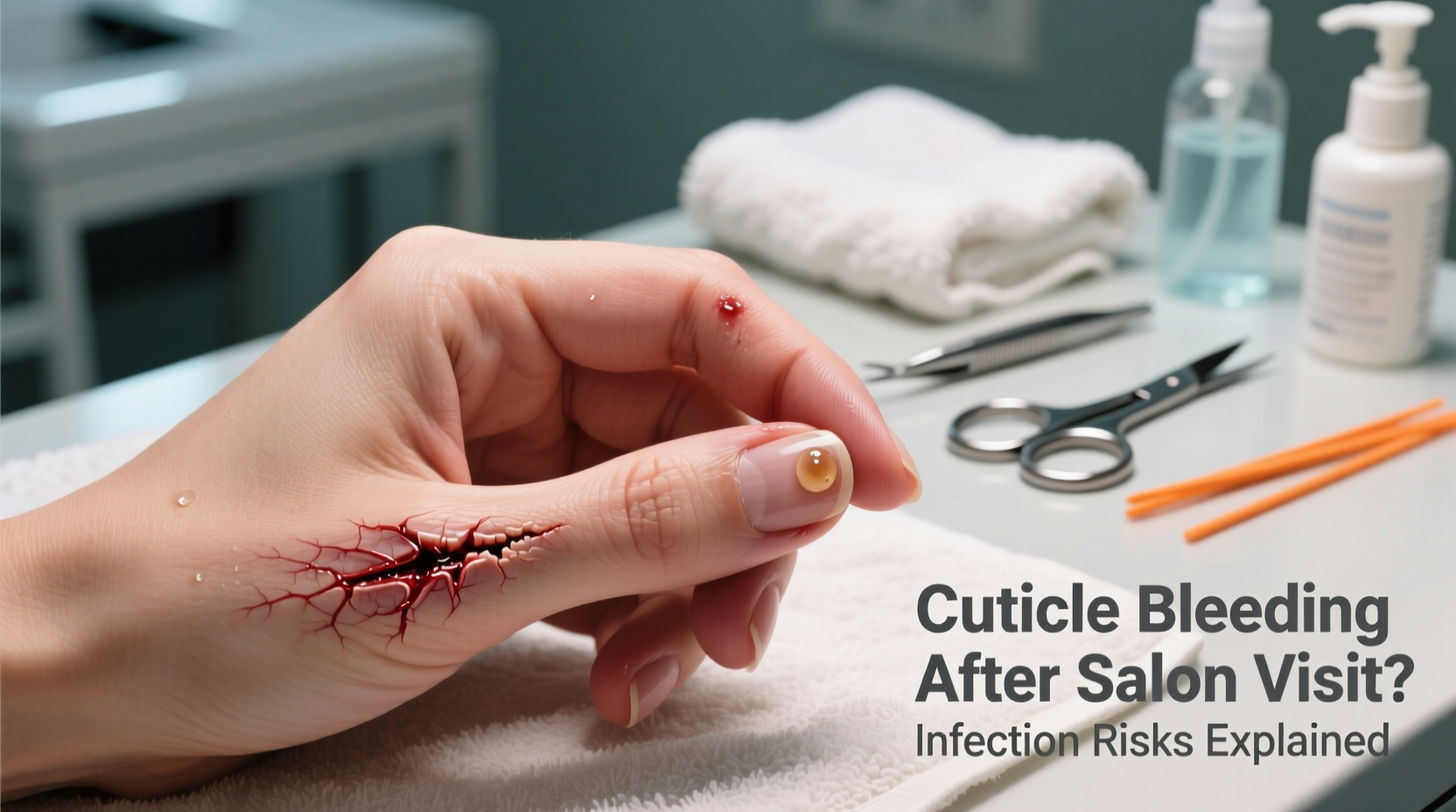
The delicate skin around the nails is easily injured when proper technique isn’t followed. Several practices at salons—some common, others outright negligent—can result in trauma to the cuticle area.
- Over-aggressive cuticle pushing or cutting: Some technicians use metal cuticle pushers too forcefully or trim live skin instead of just the dead cuticle tissue. This can cause micro-tears or full lacerations.
- Dull or unclean tools: Using blunt nippers increases pressure on the skin, raising the risk of tearing. Worse, unsterilized tools can introduce pathogens directly into broken skin.
- Soaking for too long: Prolonged soaking softens the skin excessively, making it more vulnerable to damage during cuticle work.
- Lack of moisturizing before or after: Dry cuticles are more prone to cracking and splitting, especially if pushed aggressively without prior hydration.
- Inadequate technician training: Not all nail professionals receive thorough education on anatomy and safe cuticle management, leading to improper handling.
Infection Risks Associated With Damaged Cuticles
Bleeding indicates a break in the skin, which removes one of your body’s primary defenses against pathogens. Once this barrier is breached, several types of infections can take hold.
Paronychia: The Most Common Threat
Paronychia is an infection of the skin surrounding the nail, typically caused by bacteria (like Staphylococcus aureus) or fungi (such as Candida). It develops rapidly when bacteria enter through cuts or splits in the cuticle.
Symptoms include:
- Redness and swelling around the nail
- Pain or tenderness
- Pus formation
- Warmth in the affected area
- Changes in nail shape or color over time
Acute paronychia appears within hours or days and is usually bacterial. Chronic cases last longer than six weeks and are often linked to repeated exposure to moisture or irritants, or fungal invasion.
Less Common but Serious Infections
In rare cases, untreated infections can progress to:
- Nail bed abscess: A deeper collection of pus requiring medical drainage.
- Cellulitis: A spreading bacterial skin infection that can become life-threatening if not treated promptly.
- Herpes whitlow: If a client has a history of herpes simplex virus, trauma to the finger can trigger a localized outbreak.
- Hepatitis B or C, HIV: Though extremely rare today due to improved sanitation standards, transmission is theoretically possible via contaminated tools.
“Even minor breaks in the cuticle can become entry points for serious infections. Clients should never leave a salon with bleeding—this is a sign of procedural failure.” — Dr. Lena Torres, Board-Certified Dermatologist
What to Do Immediately After Experiencing Cuticle Bleeding
If you notice bleeding after your appointment, immediate action can reduce the risk of infection and promote healing.
Step-by-Step Care Routine
- Stop any further manipulation: Avoid touching, picking, or covering the area with artificial enhancements until healed.
- Clean gently: Wash the finger with lukewarm water and mild antibacterial soap. Pat dry with a clean towel.
- Apply antiseptic: Use over-the-counter solutions like povidone-iodine or diluted hydrogen peroxide to disinfect the wound.
- Use antibiotic ointment: Apply a thin layer of bacitracin or neomycin-based cream to prevent bacterial growth.
- Bandage if necessary: Cover with a small adhesive bandage if exposed to dirt or frequent hand use, changing it daily.
- Monitor for signs of infection: Check every 12–24 hours for increasing redness, swelling, pain, or pus.
- Contact your provider: Inform the salon about the incident. Reputable businesses will want to know and may offer corrective care.
How to Choose a Safe Salon and Prevent Future Injury
Prevention starts with selecting a hygienic, professional salon and communicating your boundaries clearly.
| Do’s | Don’ts |
|---|---|
| Choose salons that autoclave metal tools or use single-use implements | Visit places where tools sit in murky liquid or open jars |
| Ask to see sterilization logs or licensing credentials | Assume cleanliness based on décor alone |
| Request that only dead cuticle tissue be removed | Allow technicians to cut skin near the nail base |
| Bring your own tools if unsure about sanitation | Share files or buffers with others |
| Speak up if a procedure feels painful | Suffer through discomfort to avoid “being difficult” |
Key Questions to Ask Before Your Appointment
- “Are your metal tools sterilized in an autoclave between clients?”
- “Do you use disposable or thoroughly sanitized wooden sticks?”
- “How do you handle cuticle removal? Do you trim live skin?”
- “Can I skip cuticle cutting altogether?”
A transparent, confident response indicates professionalism. Evasive answers should raise concern.
Mini Case Study: Sarah’s Post-Manicure Infection
Sarah, a 34-year-old teacher, booked a gel manicure at a new downtown salon. Within 12 hours, her ring finger began throbbing. She noticed redness, swelling, and a small amount of blood under the nail fold. By day two, pus formed, and she developed a low-grade fever.
She visited an urgent care clinic, where a physician diagnosed acute paronychia and prescribed oral antibiotics. Upon reflection, Sarah recalled the technician using sharp nippers aggressively and cutting what looked like healthy skin. The salon had no visible sterilization equipment, and tools were wiped with a cloth between clients.
After completing her course of medication and avoiding nail services for six weeks, Sarah fully recovered. She now brings her own kit to appointments and only visits state-licensed salons with verified hygiene practices.
Her experience underscores how quickly a routine service can go wrong—and how vital client awareness is.
Checklist: Ensuring a Safe Manicure Experience
Use this checklist before and during your next salon visit:
- ✅ Verify the salon has a valid license displayed
- ✅ Observe whether tools come from sealed or sterilized containers
- ✅ Confirm basins are cleaned and disinfected between clients (not just rinsed)
- ✅ Refuse cuticle cutting if you’re unsure or uncomfortable
- ✅ Say “no” if a technician uses excessive force
- ✅ Bring your own nail file, buffer, or cuticle stick if preferred
- ✅ Moisturize your hands and cuticles regularly at home to maintain resilience
- ✅ Report any bleeding or pain immediately—don’t wait until symptoms worsen
Frequently Asked Questions
Is it normal for cuticles to bleed slightly after a manicure?
No, it is not normal. Any bleeding indicates trauma to living tissue. A proper manicure should never break the skin. If bleeding occurs, it suggests improper technique or overly aggressive handling.
How long does it take for a damaged cuticle to heal?
Minor cuts or splits typically heal within 3 to 7 days with proper care. Deeper injuries or those complicated by infection may take 2–3 weeks or longer. Healing is faster when the area is kept clean, moisturized, and protected from further irritation.
Can I get a manicure while my cuticle is healing?
No. Avoid all nail treatments—including polish application—until the skin is fully closed and no longer tender. Introducing chemicals or physical manipulation during recovery increases infection risk and delays healing.
Conclusion: Protect Your Nail Health Proactively
Bleeding cuticles after a salon visit are not a minor inconvenience—they’re a signal that your body’s natural defenses have been compromised. Whether due to poor technique, unsanitary conditions, or miscommunication, the consequences can range from temporary discomfort to serious infections requiring medical intervention.
Your hands deserve care that prioritizes safety as much as aesthetics. By knowing what to look for in a reputable salon, understanding your rights as a client, and acting swiftly when something goes wrong, you can enjoy beautiful nails without sacrificing health.
💬 Have you experienced cuticle damage after a manicure? Share your story or tips in the comments to help others make informed choices about their nail care.