If you’ve noticed red or auburn strands appearing in your beard—especially if your head hair is a different color—you’re not alone. This phenomenon surprises many men and often raises questions about genetics, health, and appearance. While it may seem unusual, red beard hair is typically a natural variation influenced by biology rather than a sign of concern. Understanding the underlying causes can help demystify the change and guide grooming decisions.
The Genetics Behind Red Beard Hair
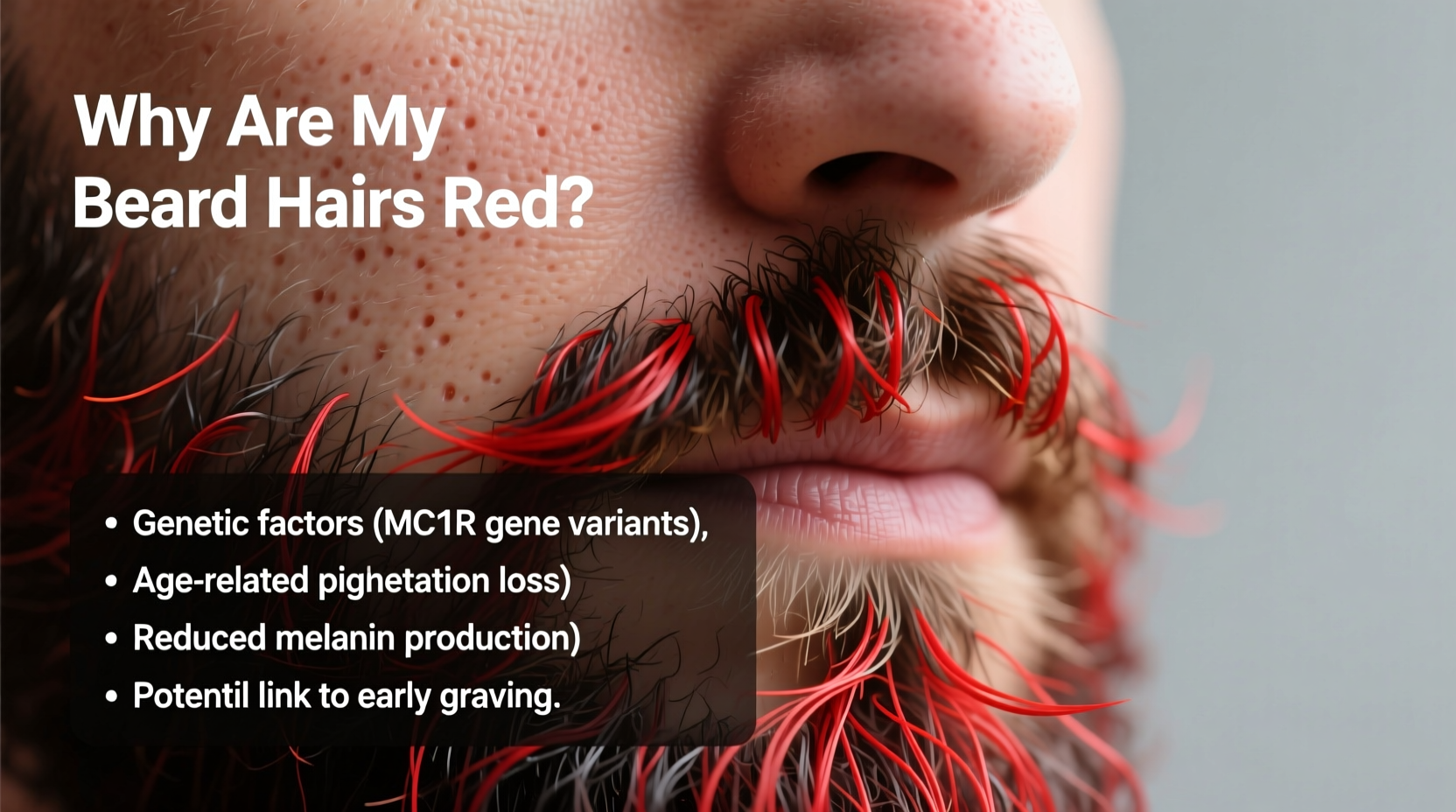
The primary reason for red facial hair lies in your DNA. The pigment responsible for hair color is melanin, which comes in two main types: eumelanin (responsible for brown and black tones) and pheomelanin (which produces red and yellow hues). A mutation in the MC1R gene—a receptor on melanocytes that regulates pigment production—leads to an overproduction of pheomelanin and reduced eumelanin. This results in red hair on the scalp or body.
Interestingly, the MC1R gene is recessive, meaning both parents must carry the variant for a person to have red hair. However, even if you don’t inherit two copies, having just one can still influence certain areas of hair growth. This explains why some men with dark or blond head hair develop red beards: the gene expresses itself more strongly in facial follicles than scalp ones.
“Facial hair can sometimes reveal hidden genetic traits not visible in scalp hair. It’s not uncommon for men with no family history of red hair to grow reddish beards due to carrier status.” — Dr. Lena Patel, Dermatologist & Hair SpecialistTip: If your beard turns red but your head hair doesn’t, check your ancestry. Even distant Celtic or Northern European heritage could explain the trait.
Hormonal Influence on Beard Pigmentation
Androgens like testosterone and dihydrotestosterone (DHT) play a crucial role in beard development. These hormones activate hair follicles in the face during puberty and beyond, often leading to thicker, coarser growth. But they also affect pigmentation patterns. In some individuals, hormonal shifts cause certain follicles to produce more pheomelanin, especially in later adolescence or early adulthood.
This means a beard might start growing dark and gradually shift toward red or ginger as hormone levels stabilize. Men who experience late puberty or fluctuating hormone levels may notice this change more dramatically. Additionally, localized hormone sensitivity in facial regions can lead to patchy coloration—some areas darker, others lighter or distinctly red.
Common Hormonal Triggers That May Affect Beard Color
- Puberty-related hormonal surges
- Testosterone fluctuations due to stress or lifestyle
- Changes in thyroid function
- Natural aging processes affecting melanin distribution
Differences Between Scalp and Facial Hair Biology
It's important to recognize that beard hair isn't biologically identical to scalp hair. Though both originate from hair follicles, they differ in texture, growth cycle, density, and pigment expression. Beard follicles are generally larger, deeper, and more sensitive to androgens. They also operate under slightly different genetic regulation.
This divergence allows for variations in color between your head and face—even within the same individual. For example, a man with black hair and fair skin might grow a reddish-brown beard because his facial follicles express the MC1R gene more actively. Similarly, sun exposure affects facial hair differently, potentially enhancing red tones due to UV-induced oxidation of pheomelanin.
| Feature | Scalp Hair | Beard Hair |
|---|---|---|
| Pigment Sensitivity | Moderate | High (especially to pheomelanin) |
| Androgen Response | Low to moderate | Very high |
| Growth Cycle | Long anagen phase (years) | Shorter anagen (months) |
| Sun Exposure Impact | Fades all colors evenly | Enhances red/orange tones |
When Red Beard Hair Might Signal Underlying Changes
In most cases, red beard growth is completely normal. However, sudden or dramatic changes in hair color—especially when accompanied by other symptoms—can occasionally reflect internal shifts. While rare, these include:
- Nutritional deficiencies: Low copper or vitamin B12 can alter melanin synthesis and lead to unexpected color changes.
- Autoimmune conditions: Diseases like vitiligo may cause depigmentation around the beard, making remaining red hairs more noticeable.
- Medication side effects: Certain drugs, including antipsychotics or chemotherapy agents, can impact pigmentation.
If redness appears alongside itching, thinning, or patchy loss, consult a dermatologist to rule out follicular inflammation or alopecia variants. Otherwise, isolated red beard growth without systemic symptoms is almost always benign.
Mini Case Study: James, Age 24
James had dark brown hair and never considered himself prone to red tones. At 19, he began growing a beard, expecting similar coloring. By 22, however, he noticed distinct auburn patches along his jawline. Confused, he consulted a dermatologist, who explained that while James didn’t carry two copies of the MC1R gene, genetic testing revealed he was a carrier. His facial follicles were selectively expressing the recessive trait. With no health concerns, James embraced the look, adjusting his grooming routine to enhance the reddish hue with tinted balms.
How to Manage and Style a Red Beard
Whether you love it or are adjusting to it, managing a red beard involves specific care practices. Red hair—especially facial hair—tends to be more porous and prone to fading or brassiness. Protecting its vibrancy ensures a healthy, intentional appearance.
- Use sulfate-free beard wash: Harsh detergents strip natural oils and accelerate color fade.
- Condition regularly: Apply a hydrating beard oil or balm daily to maintain softness and sheen.
- Limit direct sun exposure: UV rays break down pheomelanin, turning bright red into orange or brassy tones.
- Consider color-safe products: Use shampoos and conditioners formulated for colored or red hair.
- Trim strategically: Regular shaping prevents split ends and maintains uniform color distribution.
Beard Care Checklist
- ✅ Wash beard 2–3 times per week with gentle cleanser
- ✅ Apply beard oil daily
- ✅ Comb or brush beard to distribute oils and prevent tangles
- ✅ Trim every 2–3 weeks to maintain shape
- ✅ Protect from excessive sun using hats or SPF-infused balms
- ✅ Monitor for signs of irritation or thinning
Frequently Asked Questions
Can my beard turn red even if I’m not Irish or Scottish?
Yes. While red hair is more common in people of Celtic descent, the MC1R gene mutation exists across various ethnicities. You may carry it without knowing, and it can express itself only in facial hair.
Will my entire beard stay red?
Not necessarily. Some men find that red tones are most prominent in early growth and may darken with age. Others maintain consistent red hues throughout life. Genetics and environment both play roles in long-term color stability.
Is it possible to dye a red beard a different color?
Absolutely. Professional-grade beard dyes can cover red tones, though going darker is easier than lightening. Always patch-test first, as facial skin is more sensitive than the scalp.
Final Thoughts: Embrace What’s Natural
Red beard hair, whether expected or surprising, is usually a reflection of your unique genetic blueprint. Rather than viewing it as odd or undesirable, consider it a distinctive feature—one shared by millions worldwide. With proper care, any beard can look full, healthy, and intentional, regardless of color.
Understanding the science behind your beard’s pigmentation empowers you to make informed choices about grooming, styling, and health. Whether you decide to highlight the red or blend it subtly, the key is consistency and self-awareness.
💬 Have a red beard or experienced a color change? Share your story or tips below—we’d love to hear how you’ve embraced your unique look.








