
If your doctor has prescribed amlodipine, you may be wondering exactly why this medication was chosen for you. Amlodipine is one of the most commonly prescribed drugs for high blood pressure and certain types of chest pain. Understanding its purpose, how it helps your body, and what to watch for can empower you to manage your condition more effectively and safely.
This article explains the medical reasons behind amlodipine use, outlines its proven benefits, and highlights critical information about side effects, interactions, and long-term considerations. Whether you’ve just started the medication or have been on it for years, this guide offers clarity and practical insights to support your health journey.
What Is Amlodipine and How Does It Work?
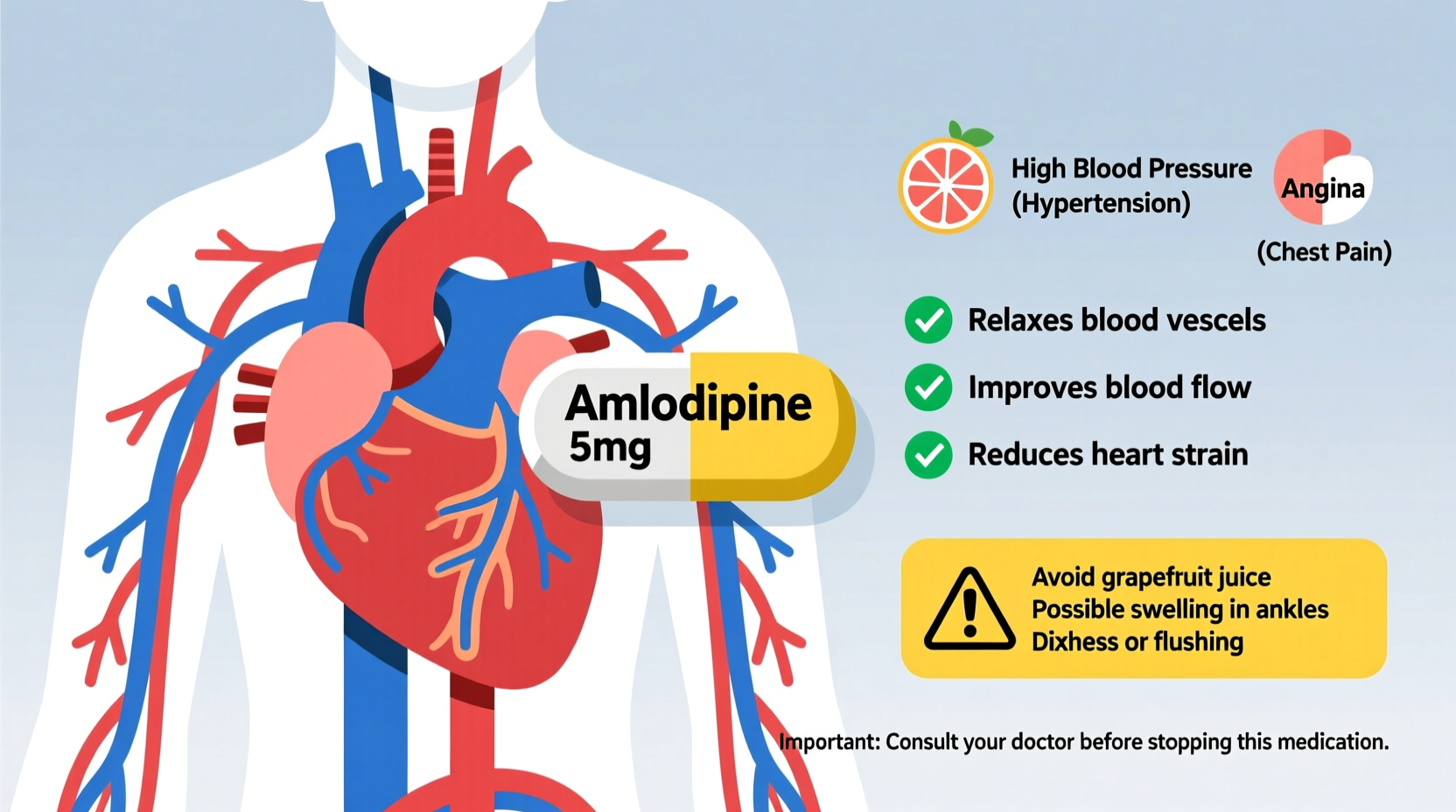
Amlodipine belongs to a class of medications known as calcium channel blockers (CCBs). It works by relaxing the muscles in the walls of your blood vessels, particularly the arteries. When these muscles relax, the vessels widen (a process called vasodilation), which reduces resistance to blood flow and lowers blood pressure.
By lowering blood pressure, amlodipine decreases the workload on the heart. This is especially beneficial for people with hypertension (chronic high blood pressure) or angina (chest pain due to reduced blood flow to the heart muscle). Unlike some other blood pressure medications, amlodipine acts slowly and provides consistent 24-hour control with just one daily dose.
“Calcium channel blockers like amlodipine are foundational in managing hypertension, especially in patients who also have coronary artery disease.” — Dr. Linda Reyes, Cardiologist and Clinical Pharmacologist
Primary Medical Uses of Amlodipine
Amlodipine is FDA-approved for two main conditions, both of which involve cardiovascular strain:
- Hypertension (High Blood Pressure): Chronic high blood pressure increases the risk of stroke, heart attack, kidney damage, and heart failure. Amlodipine helps maintain healthy blood pressure levels, reducing these risks over time.
- Chronic Stable Angina: This type of chest pain occurs when the heart doesn’t get enough oxygen-rich blood during physical activity or stress. Amlodipine improves blood flow to the heart, helping prevent angina episodes.
In some cases, amlodipine may also be used off-label for conditions such as Raynaud’s phenomenon (a circulation disorder affecting fingers and toes) or certain types of migraines, though these uses are less common and require careful medical supervision.
Key Benefits of Taking Amlodipine
The advantages of amlodipine go beyond symptom relief. Long-term use contributes to improved cardiovascular outcomes. Here are the major benefits supported by clinical research:
- Effective Blood Pressure Control: Studies show amlodipine can reduce systolic blood pressure by 10–15 mm Hg on average, significantly lowering cardiovascular risk.
- Daily Convenience: With once-daily dosing, it's easier to maintain consistency, improving adherence compared to multiple-dose regimens.
- Cardioprotective Effects: By reducing arterial stiffness and afterload (the pressure the heart must pump against), amlodipine helps preserve heart function over time.
- Suitable for Diverse Populations: It is effective across age groups and ethnicities, including older adults and Black patients, who sometimes respond less well to other antihypertensives like ACE inhibitors alone.
- Fewer Metabolic Side Effects: Unlike some older blood pressure drugs, amlodipine does not typically affect blood sugar or cholesterol levels, making it safer for diabetic patients.
Important Safety Information and Precautions
While amlodipine is generally well-tolerated, it’s essential to understand potential side effects and drug interactions to avoid complications.
Common Side Effects
Most side effects are mild and tend to improve within a few weeks. The most frequently reported include:
- Ankle or foot swelling (edema)
- Flushing (a warm feeling in the face or neck)
- Dizziness or lightheadedness
- Headache
- Palpitations (awareness of heartbeat)
Swelling in the lower limbs is the most persistent side effect but can often be managed by elevating the legs, wearing compression socks, or adjusting dosage under medical guidance.
Rare but Serious Risks
Seek immediate medical attention if you experience:
- Chest pain that worsens (especially when starting treatment)
- Fainting or irregular heartbeat
- Liver problems (symptoms include yellowing skin, dark urine, abdominal pain)
Amlodipine should be used cautiously in people with severe aortic stenosis or unstable angina, as it may exacerbate symptoms in rare cases.
Drug Interactions
Amlodipine can interact with several medications, altering its effectiveness or increasing side effects. Notable interactions include:
| Medication Type | Example Drugs | Potential Interaction |
|---|---|---|
| Strong CYP3A4 Inhibitors | Ketoconazole, Clarithromycin, Ritonavir | Increases amlodipine levels → higher risk of low blood pressure or swelling |
| Simvastatin | Zocor | Amlodipine raises simvastatin levels → increased risk of muscle damage |
| Other Blood Pressure Medications | ACE inhibitors, diuretics | Additive effect → excessive blood pressure drop |
Always inform your doctor about all medications, supplements, or herbal products you’re taking.
Real-Life Example: Managing Hypertension with Amlodipine
Consider Maria, a 58-year-old teacher diagnosed with stage 1 hypertension (150/95 mm Hg). She had no symptoms but was concerned about her family history of stroke. Her doctor prescribed amlodipine 5 mg daily. After three weeks, her blood pressure dropped to 132/84 mm Hg. However, she noticed mild ankle swelling after standing for long periods.
Her physician advised her to elevate her feet during breaks, wear supportive shoes, and monitor her symptoms. After six months, Maria’s blood pressure remained stable, and the swelling became less noticeable. Regular check-ups confirmed no adverse effects on her liver or kidney function. This case illustrates how amlodipine, combined with lifestyle awareness, can offer safe and effective long-term control.
Frequently Asked Questions
Can I stop taking amlodipine if my blood pressure improves?
No. Stopping amlodipine suddenly can cause your blood pressure to rise rapidly, increasing the risk of heart attack or stroke. Always consult your doctor before making changes to your medication regimen.
Does amlodipine cause weight gain?
Weight gain is not a common side effect of amlodipine. However, fluid retention from swelling may temporarily increase weight. True fat gain is unlikely and should be evaluated separately.
Is it safe to drink alcohol while on amlodipine?
Alcohol can enhance the blood pressure-lowering effect of amlodipine, potentially causing dizziness or fainting. Moderate consumption is usually acceptable, but discuss limits with your doctor, especially if you’re prone to low blood pressure.
Action Plan: Getting the Most Out of Your Amlodipine Treatment
To ensure amlodipine works safely and effectively, follow this simple checklist:
- Take your dose at the same time every day.
- Monitor your blood pressure regularly at home if possible.
- Report any new or worsening symptoms to your doctor promptly.
- Avoid grapefruit juice, which can interfere with how your body processes amlodipine.
- Continue healthy lifestyle habits: low-sodium diet, regular exercise, stress management.
- Attend all scheduled follow-up appointments for lab tests and heart evaluations.
Final Thoughts
Understanding why you're taking amlodipine transforms it from a routine prescription into a powerful tool for protecting your heart and overall health. Whether you're managing high blood pressure or preventing angina, this medication offers steady, reliable support when used correctly.
Knowledge is your best ally. Stay informed, communicate openly with your doctor, and take an active role in your treatment. Small, consistent actions today—like taking your pill on time or tracking your symptoms—can lead to major health improvements down the road.
💬 Your health matters. Have questions about your medication? Talk to your doctor or pharmacist today—and share this information with someone who might benefit.








