Clumsiness—tripping over flat surfaces, knocking over coffee cups, misjudging distances—is something most people experience from time to time. While occasional mishaps are normal, persistent clumsiness can be frustrating, embarrassing, or even concerning. Understanding why you're prone to fumbles isn't just about avoiding spills; it's about identifying whether your coordination issues stem from lifestyle factors, underlying conditions, or something that requires medical attention.
From fatigue to neurological changes, the reasons behind clumsiness vary widely. Some are easily corrected with small habit shifts; others may point to deeper health concerns. This article explores the science of motor control, common contributors to poor coordination, warning signs that warrant a doctor’s visit, and actionable strategies to regain confidence in your movements.
How the Body Maintains Coordination
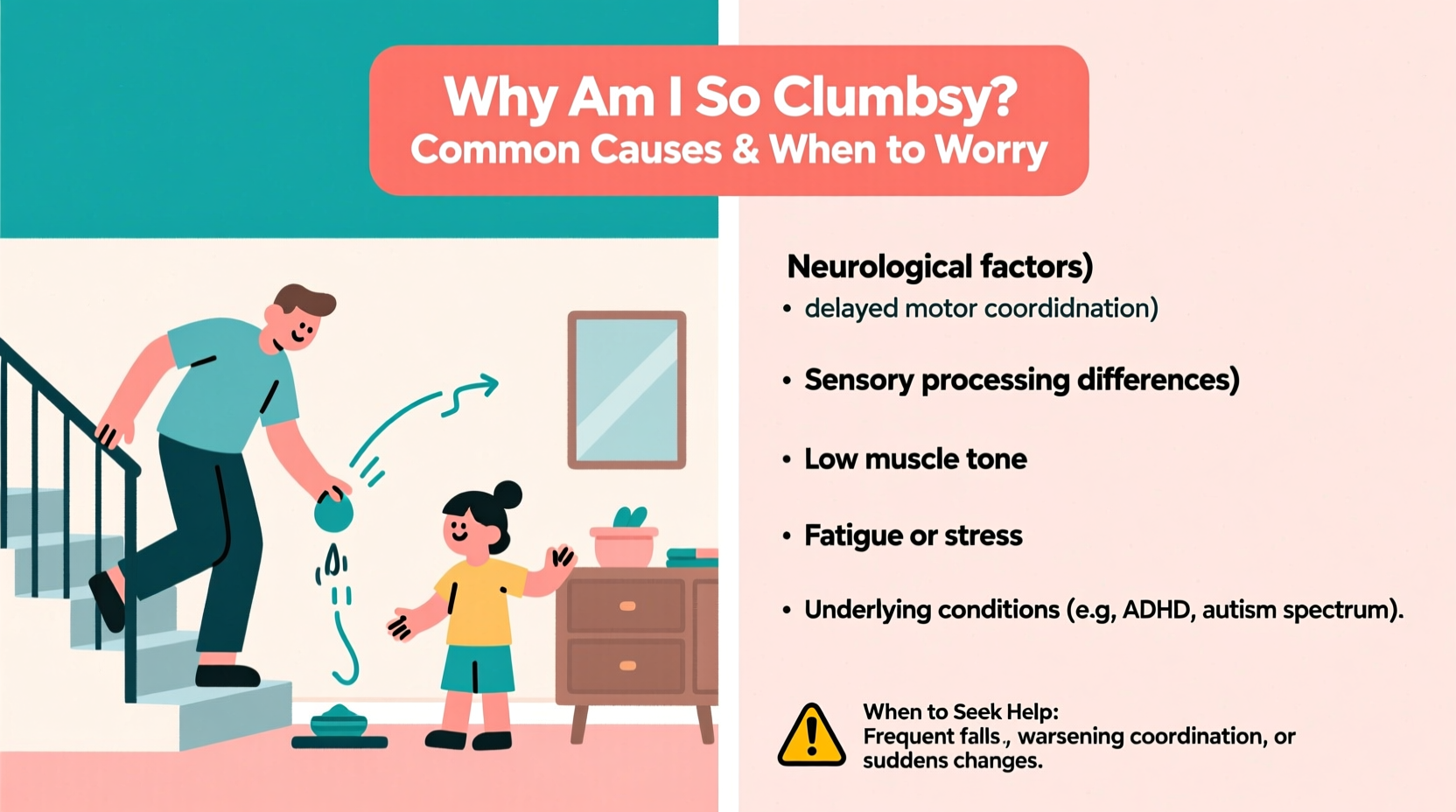
Smooth, coordinated movement relies on a complex network involving the brain, nerves, muscles, and sensory input. The cerebellum, located at the base of the brain, plays a crucial role in fine-tuning motor activity. It processes signals from your eyes, inner ear (for balance), and proprioception—the body’s sense of where limbs are in space.
When any part of this system is disrupted—whether by distraction, illness, or injury—your movements may become less precise. For example, if your brain doesn’t receive accurate feedback from your feet due to nerve damage, you might misstep on stairs. Similarly, poor sleep affects cognitive processing speed, delaying reaction times and increasing accident risk.
“Coordination isn’t just muscle strength—it’s the brain’s ability to integrate sensory information and execute movement efficiently.” — Dr. Lena Torres, Neurologist, Johns Hopkins Medicine
Common Causes of Everyday Clumsiness
Most people experience temporary clumsiness due to entirely reversible factors. These include:
- Fatigue: Sleep deprivation impairs concentration and slows neural responses, making simple tasks like walking or holding objects more error-prone.
- Stress and Anxiety: High cortisol levels interfere with focus and fine motor control. People under chronic stress often report dropping things or bumping into furniture.
- Distracted Attention: Multitasking—like texting while walking—diverts mental resources from spatial awareness, increasing tripping hazards.
- Poor Vision or Hearing: Uncorrected vision problems make depth perception difficult. Inner ear imbalances affect equilibrium.
- Nutritional Deficiencies: Low levels of vitamin B12, vitamin D, or magnesium can impair nerve function and muscle coordination.
- Sedentary Lifestyle: Lack of physical activity leads to weaker muscles and reduced proprioception, especially in older adults.
Medical Conditions Linked to Persistent Clumsiness
While everyday lapses are normal, recurring or worsening clumsiness could indicate an underlying medical issue. Several conditions affect motor coordination and require evaluation by a healthcare provider.
| Condition | How It Affects Coordination | Other Symptoms |
|---|---|---|
| Peripheral Neuropathy | Nerve damage reduces sensation in hands and feet, leading to unsteady gait and dropped items. | Tingling, numbness, burning pain—often in diabetes patients. |
| Multiple Sclerosis (MS) | Demyelination disrupts nerve signals between brain and body. | Weakness, vision problems, fatigue, bladder issues. |
| Cerebellar Ataxia | Degeneration or inflammation of the cerebellum impairs balance and precision. | Dizziness, slurred speech, difficulty writing. |
| Inner Ear Disorders (e.g., Meniere’s disease) | Disrupts vestibular system responsible for balance. | Vertigo, ringing in ears, nausea. |
| Early Parkinson’s Disease | Affects dopamine-producing neurons involved in smooth movement initiation. | Tremors, stiffness, slow movement, small handwriting. |
When Medications Contribute to Clumsiness
Many prescription drugs list dizziness, drowsiness, or impaired coordination as side effects. Common culprits include:
- Antidepressants (especially tricyclics)
- Benzodiazepines and sedatives
- Antihistamines (particularly first-generation types like diphenhydramine)
- Some blood pressure medications
If you started feeling clumsier after beginning a new medication, discuss possible alternatives with your doctor. Never stop taking prescribed drugs without medical guidance.
Warning Signs That Warrant Medical Evaluation
Occasional stumbles aren’t alarming, but certain red flags suggest the need for prompt assessment:
- Sudden onset of clumsiness without clear cause (e.g., injury or fatigue).
- Progressive worsening over weeks or months.
- One-sided weakness, such as favoring one hand or dragging a foot.
- Frequent falls despite no environmental hazard.
- Speech difficulties, confusion, or vision changes accompanying poor coordination.
- Loss of fine motor skills, like trouble buttoning shirts or using utensils.
Mini Case Study: Recognizing Early MS
Sarah, a 38-year-old teacher, began noticing she was tripping over thresholds more often. At first, she blamed her shoes. But when she started spilling coffee regularly and felt tingling in her left foot, she consulted a neurologist. An MRI revealed early-stage multiple sclerosis. With timely treatment, Sarah managed her symptoms effectively and prevented further progression. Her story highlights how subtle coordination changes, when combined with other neurological signs, can be critical diagnostic clues.
Practical Steps to Improve Coordination and Reduce Risk
Whether your clumsiness is mild or linked to a diagnosed condition, targeted actions can enhance stability and reduce accidents.
Step-by-Step Guide to Sharper Motor Control
- Evaluate Your Environment: Remove clutter, secure loose rugs, ensure adequate lighting—especially on stairs.
- Improve Sleep Hygiene: Aim for 7–9 hours nightly. Maintain consistent bed/wake times.
- Stay Hydrated and Eat Balanced Meals: Include B vitamins, omega-3s, and electrolytes to support nerve and muscle function.
- Practice Balance Exercises: Try standing on one leg daily, heel-to-toe walking, or tai chi.
- Engage in Fine Motor Activities: Use puzzles, play musical instruments, or practice handwriting to sharpen hand-eye coordination.
- Limit Alcohol and Screen Time: Both impair reaction time and spatial judgment.
- Get Regular Checkups: Monitor vision, hearing, blood work (including B12 and thyroid levels).
Checklist: When to See a Doctor About Clumsiness
- ☑ Clumsiness interferes with daily activities (e.g., cooking, driving)
- ☑ You've had two or more unexplained falls in the past month
- ☑ Symptoms began suddenly or are getting worse
- ☑ You notice weakness, numbness, or tremors
- ☑ There’s a family history of neurological disorders
- ☑ You’re taking medications known to affect coordination
Frequently Asked Questions
Is being clumsy a sign of low intelligence?
No. Clumsiness relates to motor control and sensory integration, not cognitive ability. Many highly intelligent individuals struggle with physical coordination due to unrelated neurological wiring or developmental traits.
Can children outgrow clumsiness?
Yes, many children improve as their nervous systems mature and they gain experience with movement. However, persistent motor delays should be evaluated, as they may indicate developmental coordination disorder (DCD) or other conditions requiring therapy.
Are there tests to diagnose the cause of clumsiness?
Yes. Doctors may perform neurological exams, assess gait and balance, order blood tests (for deficiencies or autoimmune markers), or recommend imaging like MRI. Nerve conduction studies can detect peripheral neuropathy.
Conclusion: Listen to Your Body—and Take Action
Being clumsy isn’t inherently dangerous, but it shouldn’t be dismissed outright—especially when patterns emerge or functionality declines. Most cases stem from manageable lifestyle factors, and simple changes can restore confidence in your movements. Yet, when clumsiness appears suddenly, progresses, or accompanies other symptoms, it may be your body signaling something more serious.
The key is awareness without alarm. Pay attention to your body’s signals, optimize your habits, and don’t hesitate to seek professional insight when needed. Coordination is a skill that can be nurtured at any age. By taking proactive steps today, you protect not only your physical safety but also your long-term well-being.
💬 Have you noticed changes in your coordination? Share your experience or questions below—we’d love to hear how you’ve addressed these challenges.








