
Sneezing is a natural reflex designed to clear your nasal passages of irritants. But when it becomes persistent—dozens of times in a single day—it can be disruptive, uncomfortable, and even concerning. While occasional sneezing is normal, frequent or sudden-onset sneezing often points to an underlying trigger. Understanding what’s behind the sneeze is the first step toward finding fast, lasting relief.
The causes range from seasonal allergens to environmental irritants, viral infections, and even physical stimuli like bright light. This guide breaks down the most common reasons for excessive sneezing, explains how each one affects your body, and offers practical, science-backed solutions to help you breathe easier—starting today.
Common Causes of Excessive Sneezing
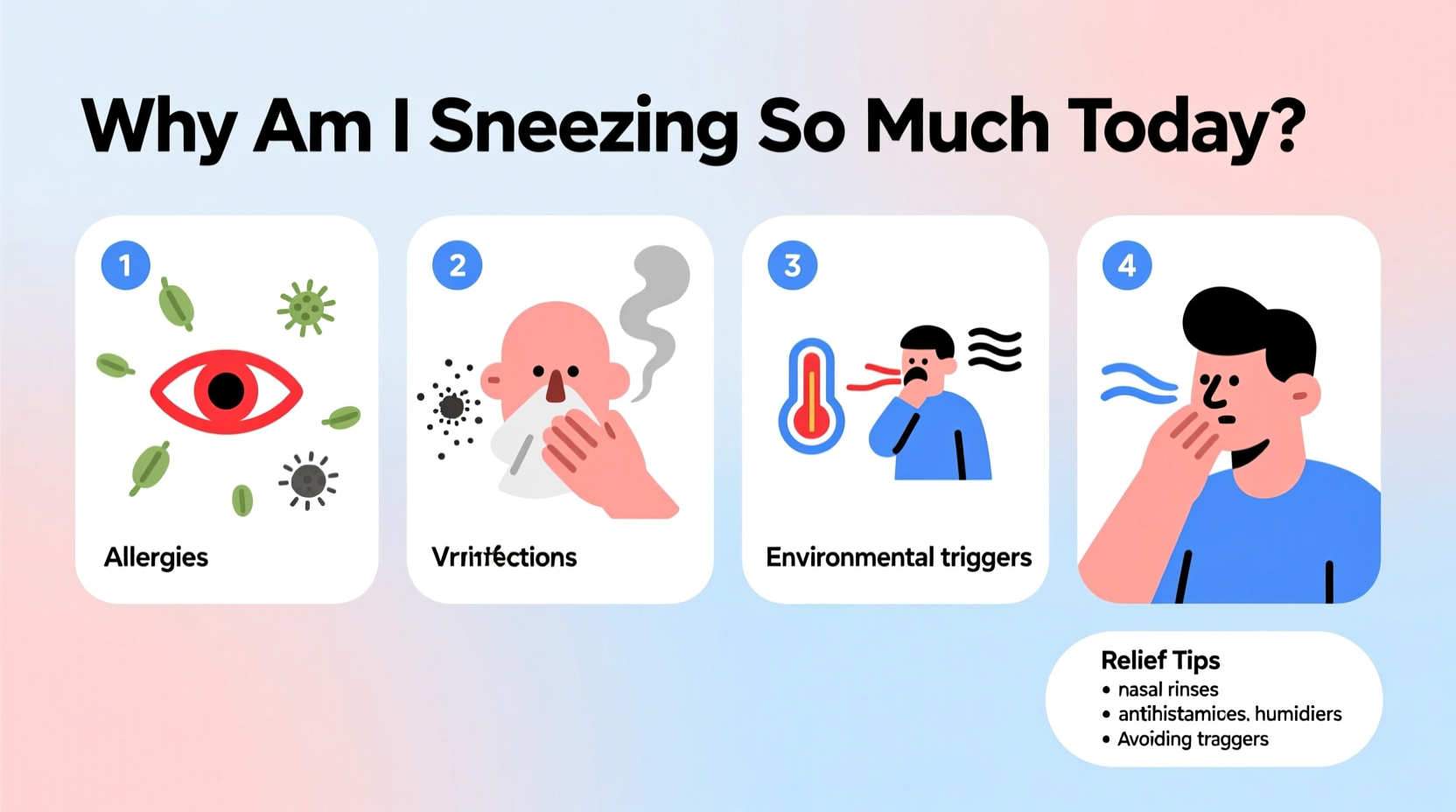
Sneezing occurs when something irritates the mucous membranes lining your nose or throat. The brain triggers a rapid expulsion of air through your nose and mouth to remove the invader. Here are the primary culprits behind non-stop sneezing:
- Allergic rhinitis (hay fever): Pollen, dust mites, pet dander, and mold spores cause immune overreactions, leading to sneezing fits, especially during spring or in dusty environments.
- Viral infections: Colds and flu often begin with repeated sneezing as your body tries to expel the virus.
- Non-allergic rhinitis: Irritants like smoke, strong perfumes, cleaning chemicals, or changes in temperature can trigger sneezing without involving the immune system.
- Spicy foods (gustatory rhinitis): Eating hot or pungent foods like wasabi or chili peppers can stimulate nerve endings in the nose, causing a sneezing response.
- Light-induced sneezing (photic sneeze reflex): Around 18–35% of people sneeze when exposed to bright light, such as sunlight—a genetic trait known as the photic sneeze reflex.
- Dry air: Low humidity, especially in heated indoor spaces during winter, can dry out nasal passages and increase sensitivity.
“Sneezing is a protective mechanism, but chronic or severe episodes usually indicate exposure to a consistent trigger—either environmental, biological, or neurological.” — Dr. Lena Patel, ENT Specialist
How to Tell If It’s Allergies or a Cold
Distinguishing between allergic and infectious causes is crucial for proper treatment. While both can cause sneezing, their accompanying symptoms differ significantly.
| Symptom | Allergies | Cold/Flu |
|---|---|---|
| Fever | No | Yes (common) |
| Duration | Weeks to months (while exposed) | 3–14 days |
| Nasal discharge | Clear and watery | Thick, yellow/green |
| Itchy eyes/nose | Very common | Rare |
| Sneezing pattern | Bouts of multiple sneezes | Occasional, fewer sneezes |
| Onset | Sudden, linked to environment | Gradual over 1–3 days |
If your sneezing started abruptly after going outside on a high-pollen day or entering a dusty room, allergies are likely. If you’re also fatigued, have a sore throat, or low-grade fever, a viral infection is more probable.
Tip: Track your sneezing episodes alongside daily activities—like opening windows, walking outdoors, or cleaning—to identify patterns and potential triggers.Effective Relief Strategies by Cause
Treatment depends on the root cause. Applying the wrong remedy can prolong discomfort. Below are targeted approaches based on the most common triggers.
Allergy-Related Sneezing
- Use over-the-counter antihistamines like loratadine (Claritin) or cetirizine (Zyrtec).
- Try intranasal corticosteroid sprays (e.g., fluticasone) to reduce inflammation.
- Shower and change clothes after being outdoors to remove pollen.
- Keep windows closed during high pollen seasons.
- Use HEPA filters in bedrooms and HVAC systems.
Cold or Viral Infection
- Rest and stay hydrated to support immune function.
- Use saline nasal sprays to soothe irritated tissues.
- Consider decongestants (short-term only) if nasal congestion worsens sneezing.
- Avoid spreading germs—cover your mouth with your elbow and wash hands frequently.
Irritant-Induced Sneezing
- Eliminate strong fragrances, air fresheners, and chemical cleaners.
- Wear a mask while cleaning or gardening.
- Switch to fragrance-free laundry detergents and personal care products.
- Increase indoor humidity using a humidifier (ideal level: 40–60%).
Photic Sneeze Reflex
This harmless genetic trait doesn’t require treatment, but you can minimize episodes by:
- Wearing polarized sunglasses outdoors.
- Shielding your eyes when stepping into bright light.
- Using visors or brimmed hats in sunny conditions.
Step-by-Step: What to Do When You Can’t Stop Sneezing
If you're experiencing a sudden bout of relentless sneezing, follow this action plan to regain control:
- Pause and assess: Note when the sneezing started and what you were doing. Did you enter a new environment? Eat something spicy? Step into sunlight?
- Remove yourself from potential triggers: Leave smoky rooms, close open windows during pollen season, or move away from strong scents.
- Rinse your nasal passages: Use a saline spray or neti pot to flush out allergens or irritants.
- Take an antihistamine (if allergies are suspected): Fast-acting options like diphenhydramine (Benadryl) work quickly but may cause drowsiness.
- Hydrate: Drink water to thin mucus and soothe irritated membranes.
- Monitor symptoms: If sneezing persists beyond a few days or worsens, consider consulting a healthcare provider.
Mini Case Study: Sarah’s Springtime Struggle
Sarah, a 32-year-old teacher, began sneezing uncontrollably every morning in April. It happened shortly after she opened her bedroom window for fresh air. At first, she assumed she had a cold, but the symptoms never progressed to cough or fever. After tracking her routine, she noticed the sneezing stopped on rainy days—when pollen counts were lower.
She consulted an allergist, who confirmed a sensitivity to tree pollen. By switching to an air purifier, keeping windows closed, and starting a daily antihistamine during peak season, Sarah reduced her sneezing from 20+ times a day to just occasional mild episodes.
Her experience highlights the importance of observation and timely intervention.
Prevention Checklist: Reduce Your Risk of Frequent Sneezing
Stay ahead of triggers with this practical checklist:
- ✅ Check daily pollen forecasts and limit outdoor time on high-count days.
- ✅ Wash bedding weekly in hot water to kill dust mites.
- ✅ Vacuum with a HEPA-filter vacuum cleaner at least twice a week.
- ✅ Avoid touching your face, especially after petting animals or handling dusty items.
- ✅ Keep car and home air filters clean and replace them regularly.
- ✅ Use allergen-proof covers on pillows and mattresses.
- ✅ Stay hydrated to maintain healthy mucous membrane function.
Frequently Asked Questions
Can dehydration make me sneeze more?
Not directly, but dehydration dries out nasal passages, making them more sensitive to irritants. Staying well-hydrated helps maintain a protective mucus layer that traps particles before they trigger a sneeze.
Is it bad to hold in a sneeze?
Suppressing a sneeze can increase pressure in your ears and sinuses, potentially causing ear pain or, in rare cases, eardrum damage. It’s better to sneeze freely—into a tissue or your elbow—to protect others and avoid injury.
When should I see a doctor about constant sneezing?
If sneezing lasts more than two weeks without improvement, is accompanied by facial pain, thick nasal discharge, or fever, or disrupts your sleep and daily life, consult a healthcare provider. Chronic sneezing could signal sinusitis, nasal polyps, or undiagnosed allergies needing specialized care.
Final Thoughts: Take Control of Your Comfort
Excessive sneezing is rarely dangerous, but it’s your body’s way of signaling that something needs attention. Whether it’s pollen drifting through an open window, lingering dust in your bedroom, or the early sign of a cold, identifying the cause empowers you to respond effectively. With the right knowledge and habits, you can reduce frequency, ease discomfort, and get back to feeling like yourself—without the constant “achoo.”
💬 Have a sneezing trigger you’ve discovered? Share your story or tips in the comments—your insight could help someone else find relief.








