
Urination is a vital bodily function that helps eliminate waste and maintain fluid balance. If you've noticed a significant decrease in urine output—often described as \"peeing so little\"—it can be both confusing and concerning. While occasional changes are normal, consistently low urine volume may signal an underlying issue. Understanding the potential causes, recognizing warning signs, and knowing when to seek medical advice are essential for maintaining kidney and overall health.
What Is Considered Low Urine Output?
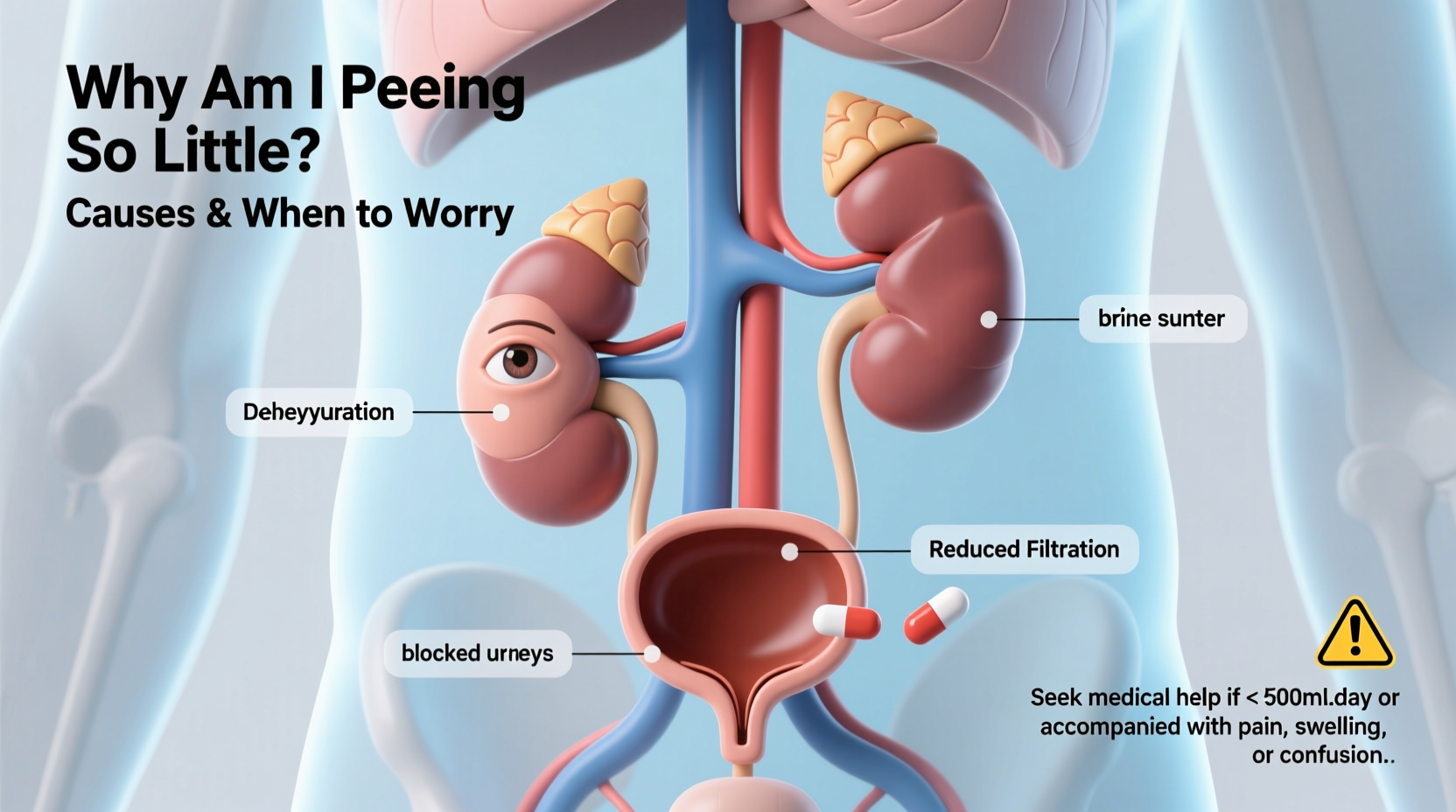
Normal urine output for adults ranges from about 800 to 2,000 milliliters (ml) per day, assuming a typical fluid intake of around 2 liters. Oliguria—a medical term for reduced urine production—is defined as less than 400 ml of urine in 24 hours. Anuria, a more severe condition, refers to less than 50 ml per day and requires immediate medical attention.
It's important to distinguish between concentrated urine (small volume but frequent trips) and truly diminished output. Factors like hydration, medications, and activity level influence how much you pee. However, if your bladder isn’t producing adequate urine despite drinking fluids, it’s time to investigate further.
Common Causes of Low Urine Output
Several factors can contribute to decreased urination. Some are temporary and easily resolved; others may point to serious conditions.
- Dehydration: The most frequent cause. Not drinking enough fluids, excessive sweating, vomiting, or diarrhea reduces blood volume and signals kidneys to conserve water.
- Medications: Diuretics, antihypertensives, NSAIDs (like ibuprofen), and certain antibiotics can affect kidney function and urine production.
- Kidney Dysfunction: Acute kidney injury (AKI) or chronic kidney disease (CKD) impairs the kidneys’ ability to filter blood and produce urine.
- Urinary Tract Obstruction: Kidney stones, enlarged prostate (in men), tumors, or strictures can block urine flow.
- Heart Failure: Reduced cardiac output decreases blood flow to the kidneys, triggering lower urine production.
- Severe Infections (Sepsis): Systemic infections can lead to shock and impaired organ perfusion, including the kidneys.
- Blood Loss or Shock: Major trauma, internal bleeding, or severe burns reduce circulating volume, prompting the body to limit urine output.
When to Worry: Red Flags That Require Medical Attention
Occasional low output after a hot day or intense workout isn't alarming. But persistent or sudden drops in urination—especially with other symptoms—should not be ignored.
“Any unexplained reduction in urine volume lasting more than 24 hours, particularly with swelling, fatigue, or shortness of breath, warrants prompt evaluation.” — Dr. Lena Patel, Nephrologist at Boston General Hospital
Seek immediate medical help if you experience:
- No urination for 12+ hours (especially with fluid intake)
- Swelling in legs, ankles, or face
- Shortness of breath or chest discomfort
- Nausea, confusion, or extreme fatigue
- Fever with flank pain (possible kidney infection or obstruction)
- Blood in urine or painful urination
Case Example: Recognizing Early Signs of Kidney Stress
Mark, a 58-year-old man with high blood pressure, took ibuprofen regularly for knee pain. After a weekend hiking trip in hot weather, he noticed he hadn’t urinated much despite drinking water. He felt dizzy and unusually tired. His wife urged him to visit urgent care, where blood tests revealed elevated creatinine levels—indicating acute kidney injury likely due to dehydration combined with NSAID use. With IV fluids and medication adjustment, his kidney function improved within days. Mark’s case highlights how multiple risk factors can converge and underscores the importance of early intervention.
Diagnosis and Testing: What to Expect
If you're evaluated for low urine output, your healthcare provider will likely perform several assessments:
- Medical History Review: Questions about fluid intake, medications, recent illness, or surgeries.
- Physical Exam: Checking for signs of dehydration, swelling, or abdominal masses.
- Urine Tests: To assess concentration, presence of protein, blood, or infection.
- Blood Tests: Measuring creatinine, BUN (blood urea nitrogen), and electrolytes to evaluate kidney function.
- Imaging: Ultrasound or CT scan to detect obstructions or structural issues.
- Flow Studies: Especially in men, to rule out prostate-related blockages.
In some cases, a catheter may be inserted to measure true urine output or relieve obstruction.
Do’s and Don’ts: Managing Low Urine Output
| Do’s | Don’ts |
|---|---|
| Stay hydrated with water, especially in heat or during illness | Ignore prolonged lack of urination |
| Monitor urine frequency and color daily | Overuse NSAIDs or unapproved supplements |
| Keep a log of fluid intake and output if advised | Delay seeking help if symptoms worsen |
| Follow up on prescribed treatments for heart or kidney conditions | Assume it's “just dehydration” without confirmation |
Prevention and Long-Term Management
Protecting your urinary and kidney health involves consistent habits:
- Maintain steady fluid intake throughout the day (unless restricted by a doctor).
- Avoid overusing painkillers like ibuprofen or naproxen.
- Manage chronic conditions such as diabetes, hypertension, and heart disease.
- Get regular checkups, including kidney function tests if you’re at risk.
- Respond quickly to illnesses that cause vomiting, diarrhea, or fever.
FAQ
Is it normal to pee only twice a day?
While some variation is normal, urinating only twice in 24 hours is below average and may indicate underhydration or a functional issue. If this persists despite adequate fluid intake, consult a healthcare provider.
Can stress cause low urine output?
Stress itself doesn’t directly reduce urine production, but it can alter habits—such as reduced fluid intake or holding urine—which may contribute. Chronic stress also impacts blood pressure and hormonal balance, indirectly affecting kidney function.
How long can you go without peeing before it becomes dangerous?
Going 8–10 hours without urinating isn’t necessarily dangerous if you haven’t consumed fluids. However, if you’ve drunk water and still produce little or no urine for over 12 hours, it could signal a serious problem like obstruction or kidney failure and requires urgent evaluation.
Conclusion
Peeing very little isn’t something to dismiss lightly. While dehydration is a common and reversible cause, it can also be a warning sign of kidney dysfunction, obstruction, or systemic illness. Paying attention to your body’s signals—how much you drink, how often you urinate, and how you feel overall—can make a critical difference in catching problems early. Don’t wait for symptoms to escalate. When in doubt, seek medical guidance. Your kidneys work tirelessly for you; protecting them starts with awareness and action.
🚀 Take charge of your health today: Start tracking your fluid intake and bathroom habits. Share any concerns with your doctor—early detection saves lives.








