
If you’ve noticed small bumps, redness, or persistent pimples forming along your hairline—especially around the temples, forehead edges, or nape of the neck—you’re not alone. This type of acne, often called “pomade acne” or “hairline breakouts,” is surprisingly common and usually linked to lifestyle habits, product use, or hormonal fluctuations. While it may seem minor, recurring breakouts in this area can be frustrating and sometimes lead to scarring if left unmanaged.
The hairline is a unique zone where skin meets scalp, making it vulnerable to a mix of sebum (natural oil), dead skin cells, bacteria, and residue from hair care products. Unlike facial acne, which might respond well to standard skincare routines, hairline breakouts often require targeted attention to both hygiene and product choices.
Understanding the root causes—and knowing how to adjust your routine accordingly—can make all the difference between temporary flare-ups and long-term clarity.
Common Causes of Hairline Breakouts
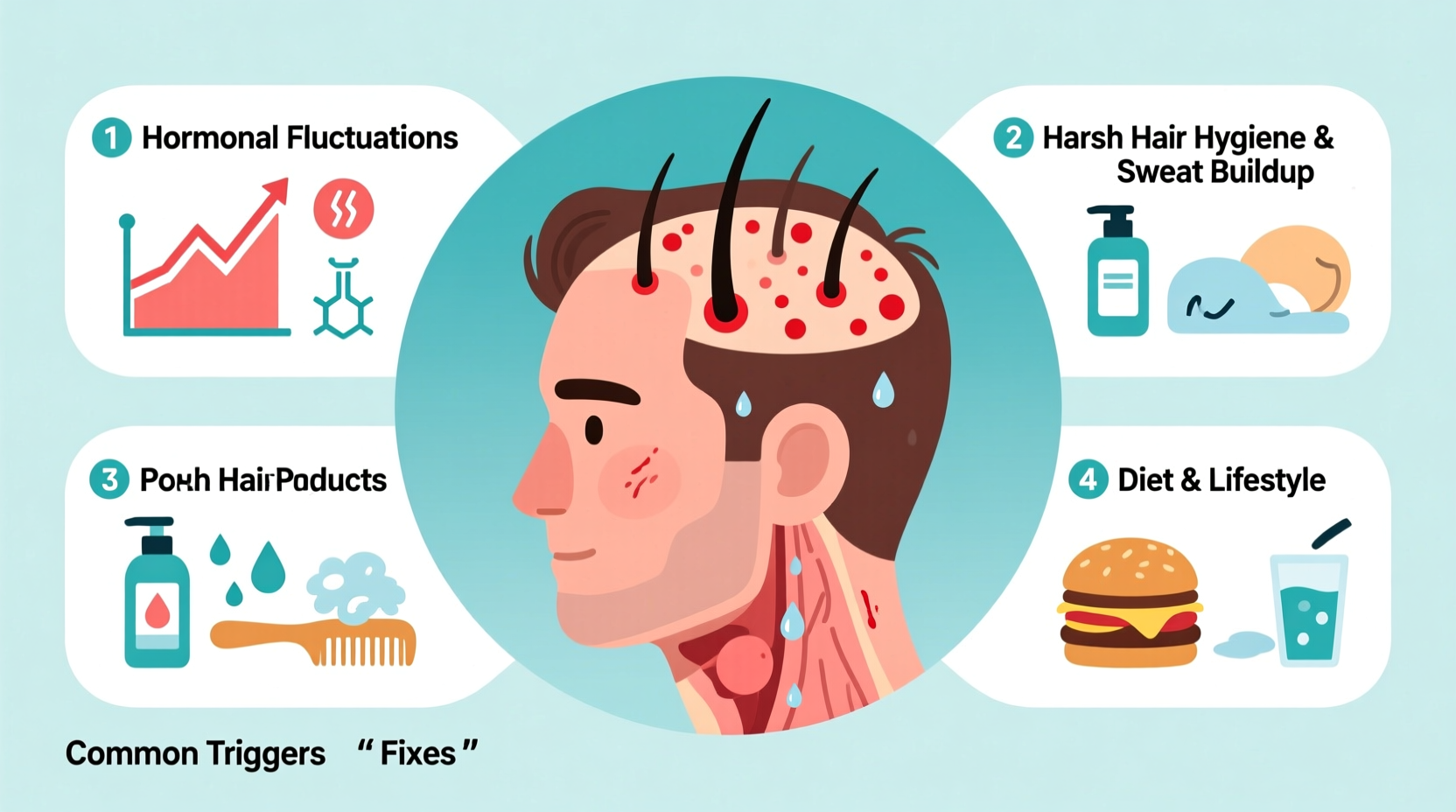
Breakouts along the hairline rarely happen without reason. They typically result from a combination of occlusion (clogged pores), irritation, and bacterial growth. Below are the most frequent culprits:
- Hair Products with Heavy Oils: Pomades, gels, leave-in conditioners, and oils—especially those containing coconut oil, lanolin, or mineral oil—can migrate onto the forehead and clog pores.
- Product Buildup: Over time, styling products accumulate on the scalp and hairline, mixing with sweat and dirt to form a breeding ground for acne-causing bacteria.
- Sweat and Friction: Wearing hats, headbands, or helmets traps sweat and heat against the skin, irritating follicles and promoting breakouts.
- Poor Cleansing Habits: Not washing your face after applying hair products or failing to cleanse the hairline thoroughly allows residue to linger overnight.
- Hormonal Fluctuations: Androgens increase sebum production, especially during menstruation, stress, or polycystic ovary syndrome (PCOS), making the hairline more prone to congestion.
- Dirty Pillowcases and Hats: Fabric that touches your hairline daily collects oil, bacteria, and product residue, transferring them back to your skin.
How Hair Products Contribute to Acne
Many people don’t realize that what they put in their hair can end up on their face. The concept of “product migration” explains how oils and silicones travel down the hair shaft and settle along the hairline, especially when hair lies flat against the skin or when lying down.
Products labeled as “comedogenic” are particularly problematic. These ingredients have a high likelihood of clogging pores. Common offenders include:
| Ingredient | Found In | Comedogenic Rating (0–5) |
|---|---|---|
| Coconut Oil | Leave-in conditioners, pomades | 4 |
| Lanolin | Scalp treatments, moisturizers | 4–5 |
| Mineral Oil | Shines serums, greases | 2–5 (varies by refinement) |
| Isopropyl Myristate | Styling creams, sprays | 5 |
| Octyl Stearate | Conditioners, texturizing pastes | 4 |
Even products marketed as “natural” or “organic” can be pore-clogging. For example, shea butter and cocoa butter, while nourishing for dry skin, carry moderate comedogenic ratings and should be used cautiously near the face.
“Hair products are a leading cause of periorificial dermatitis and acne mechanica along the hairline. Patients often overlook this connection until we eliminate heavy topicals.” — Dr. Nina Rodriguez, Board-Certified Dermatologist
Step-by-Step Guide to Clearer Skin Along the Hairline
Clearing hairline breakouts isn’t just about treating existing pimples—it’s about preventing future ones. Follow this actionable plan to address both cause and effect.
- Switch to Non-Comedogenic Hair Products: Look for labels that say “oil-free,” “non-comedogenic,” or “won’t clog pores.” Water-based gels and mousses are generally safer than thick pomades.
- Adjust Application Technique: When using oils or creams, apply only to the mid-lengths and ends of your hair. Avoid rubbing product into the scalp near the forehead.
- Cleanse Gently but Thoroughly: Use a mild salicylic acid or benzoyl peroxide cleanser to target acne-causing bacteria. Massage the cleanser along the hairline, ensuring coverage without over-drying.
- Wash After Sweating: If you exercise or wear a helmet/hat, wash your face within 30 minutes to prevent sweat and oil buildup.
- Exfoliate Weekly: Use a chemical exfoliant containing AHAs (like glycolic acid) or BHAs (like salicylic acid) 1–2 times per week to remove dead skin and prevent clogs.
- Change Pillowcases Frequently: Swap pillowcases every 2–3 days, especially if you apply nighttime hair treatments.
- Keep Hair Off Your Face: Tie back bangs or sleep with hair pulled away from the forehead to minimize contact.
Real-Life Example: Maria’s Journey to Clearer Skin
Maria, a 28-year-old graphic designer, struggled with persistent tiny bumps along her temples and frontal hairline for over a year. She visited two dermatologists who prescribed topical retinoids and antibiotics, but results were temporary. Frustrated, she started tracking her routine and noticed a pattern: breakouts flared after using her favorite argan oil serum to tame frizz.
She wasn’t applying it directly to her face, but the oil dripped down her forehead when she styled her hair before bed. After switching to a water-based anti-frizz spray and wiping her hairline nightly with a micellar cloth, her skin cleared within six weeks. No other changes were made.
Her case highlights a key point: sometimes, the trigger isn’t internal—it’s sitting right in your shower caddy.
When Hormones Play a Role
While external factors are often the main drivers, hormonal imbalances can exacerbate hairline acne. Androgen hormones stimulate sebaceous glands, increasing oil production across the face, scalp, and upper back. Women with PCOS, irregular periods, or high-stress lifestyles may notice cyclical breakouts appearing 3–7 days before menstruation.
In such cases, topical treatments alone may not suffice. Consider these steps:
- Track breakouts alongside your menstrual cycle to identify patterns.
- Consult a healthcare provider about hormonal testing if you have additional symptoms like excess facial hair, hair thinning, or weight gain.
- Discuss oral treatments such as spironolactone (anti-androgen) or birth control pills, which can regulate hormone-related acne.
Remember: hormonal acne often presents as deeper, painful cysts rather than surface-level whiteheads, particularly along the jawline and lower forehead—areas densely populated with oil glands.
Do’s and Don’ts: Quick Reference Table
| Do’s | Don’ts |
|---|---|
| Use non-comedogenic hair and skincare products | Apply heavy oils or pomades near the hairline |
| Wash your face after workouts or product application | Touch or pick at breakouts (increases risk of infection and scarring) |
| Replace pillowcases and hats weekly | Use expired or shared hair tools |
| Spot-treat with benzoyl peroxide or tea tree oil | Over-exfoliate or use harsh scrubs daily |
| Seek professional help for persistent cystic acne | Ignore signs of fungal acne (itchy, uniform bumps) |
Frequently Asked Questions
Can dandruff shampoo cause hairline breakouts?
Not directly, but some active ingredients like ketoconazole or zinc pyrithione can irritate sensitive skin if left on too long. Rinse thoroughly and follow with a gentle moisturizer if needed. Conversely, treating dandruff (which involves yeast overgrowth) can actually improve hairline acne if Malassezia fungus is contributing to folliculitis.
Is hairline acne a sign of poor hygiene?
No. While hygiene plays a role, many people with excellent routines still experience breakouts due to product sensitivity, hormones, or genetics. Blaming yourself delays finding real solutions. Focus on adjustments, not guilt.
How long does it take to see improvement?
With consistent changes—such as switching products and cleansing properly—most people notice improvement within 4 to 6 weeks. Deep cysts may take longer. Patience and consistency are essential; skin cell turnover takes approximately 28 days.
Prevention Checklist
Stay proactive with this simple checklist to keep your hairline clear:
- ☑ Read ingredient labels on hair products—avoid known comedogenic substances
- ☑ Apply styling products carefully, minimizing contact with skin
- ☑ Wash your face every evening, paying attention to the hairline
- ☑ Exfoliate 1–2 times per week with a BHA or AHA toner
- ☑ Change pillowcases at least twice a week
- ☑ Clean hairbrushes and combs monthly with warm, soapy water
- ☑ Remove makeup and sunscreen before bedtime—even if you’re tired
- ☑ Consult a dermatologist if breakouts persist beyond two months
Conclusion: Take Control of Your Skin Health
Breaking out along the hairline doesn’t have to be a constant battle. By identifying whether your triggers are product-related, hormonal, or environmental, you can make informed choices that lead to lasting results. Small shifts—like choosing lighter hair formulas or cleansing more mindfully—can yield significant improvements over time.
Your skin reflects your habits, not your worth. Be patient, stay consistent, and remember that clear skin is less about perfection and more about balance. Start today: check one product label, wash one pillowcase, or simply pay closer attention to how you style your hair. Progress begins with awareness.
💬 Have you figured out what was causing your hairline breakouts? Share your story or tip in the comments—your insight could help someone finally find relief.








