As people grow older, many notice they can't handle alcohol like they used to. A single glass of wine might lead to dizziness, or a cocktail at dinner leaves them feeling unsteady hours later. This isn’t just perception—it’s physiology. Alcohol tolerance genuinely declines with age due to changes in body composition, metabolism, organ function, and medication use. Understanding this shift is crucial for maintaining health, avoiding accidents, and making informed decisions about drinking habits in later life.
The Science Behind Declining Alcohol Tolerance
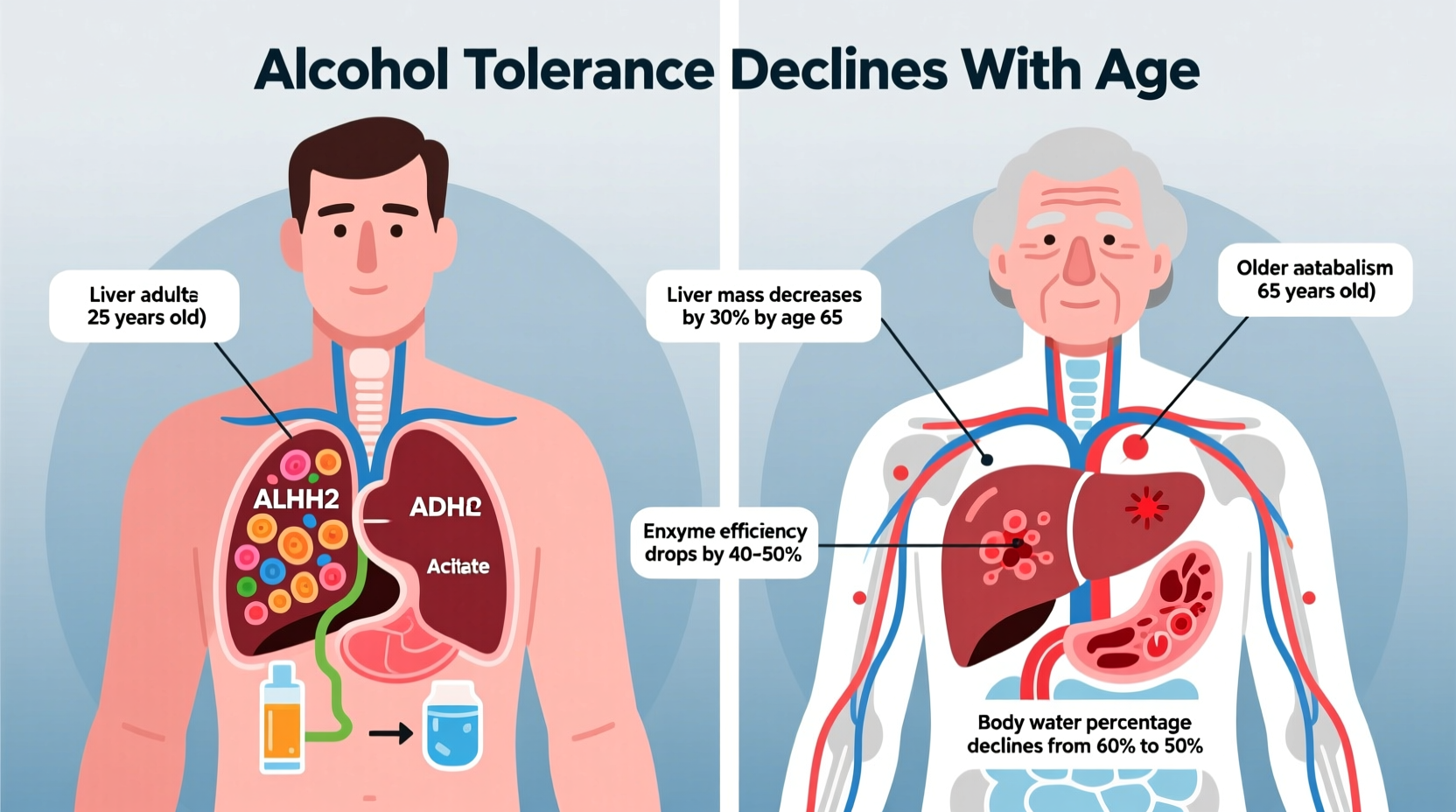
Alcohol affects the central nervous system, but how it’s processed in the body evolves significantly after age 65. The liver, responsible for metabolizing over 90% of consumed alcohol, becomes less efficient with age. Liver mass and blood flow decrease, reducing the organ’s ability to break down ethanol quickly. This means alcohol remains in the bloodstream longer, amplifying its effects even at lower doses.
Additionally, body composition changes play a major role. Older adults typically have higher body fat percentages and lower total body water. Since alcohol dissolves in water but not in fat, a given amount of alcohol becomes more concentrated in the bloodstream of an older person compared to a younger one of the same weight. This results in higher blood alcohol concentration (BAC) from the same number of drinks.
The brain also becomes more sensitive to alcohol over time. Neurotransmitter systems such as GABA and glutamate, which regulate sedation and excitability, are affected more profoundly in aging brains. This increases susceptibility to drowsiness, confusion, and impaired coordination—even after minimal consumption.
Tip: If you're over 65, consider cutting your usual intake in half to gauge how your body responds today versus years ago.Medications and Alcohol: A Dangerous Mix
One of the most underappreciated factors in reduced alcohol tolerance is medication interaction. The average adult over 65 takes at least two prescription drugs daily, many of which interact negatively with alcohol. Common medications—including antihypertensives, antidepressants, diabetes drugs, pain relievers, and sleep aids—can intensify alcohol’s sedative effects or impair liver processing.
For example, mixing alcohol with benzodiazepines or opioids dramatically increases the risk of respiratory depression. Even over-the-counter drugs like ibuprofen become riskier when combined with alcohol, raising the likelihood of gastrointestinal bleeding.
“Older adults often don’t realize that their medications can turn moderate drinking into a hazardous activity.” — Dr. Linda Chen, Geriatric Pharmacologist, Johns Hopkins Medicine
Common Medications That Interact with Alcohol
| Medication Type | Common Examples | Risk When Combined with Alcohol |
|---|---|---|
| Antidepressants | Fluoxetine, Sertraline | Increased drowsiness, dizziness, liver strain |
| Benzodiazepines | Diazepam, Lorazepam | Severe sedation, impaired balance, fall risk |
| Diabetes Medications | Insulin, Metformin | Hypoglycemia, nausea, liver toxicity |
| Pain Relievers | Ibuprofen, Acetaminophen | Stomach ulcers, liver damage |
| Heart Medications | Warfarin, Beta-blockers | Bleeding risk, irregular heart rate, low blood pressure |
Real-Life Impact: A Case Study
Consider Robert, a 71-year-old retiree who enjoys a nightly glass of red wine with dinner—a habit he’s maintained for decades. Recently, his doctor prescribed a low-dose statin for cholesterol and a beta-blocker for mild hypertension. Within weeks, Robert began feeling lightheaded after his usual drink and once stumbled on the stairs. He attributed it to aging until his pharmacist explained that both medications enhance alcohol’s depressant effects and lower blood pressure further, increasing fall risk.
After stopping alcohol entirely, Robert reported improved energy, better sleep, and no more dizziness. His case illustrates how seemingly safe routines can become dangerous without intentional reassessment.
How to Adjust Your Drinking Habits Safely
Reducing or modifying alcohol intake doesn’t mean giving up enjoyment—it means adapting to your body’s current needs. Here’s a step-by-step guide to help older adults make safer choices:
- Review all medications with a pharmacist or doctor to identify potential interactions.
- Track your reactions to alcohol over a week: note mood changes, sleep quality, balance issues, or digestive discomfort.
- Limit servings to no more than one standard drink per day for men and half that for women (per NIAAA guidelines).
- Sip slowly and always consume alcohol with food to slow absorption.
- Hydrate between drinks with water to reduce concentration and support kidney function.
- Reevaluate regularly, especially after starting new medications or experiencing health changes.
Do’s and Don’ts of Alcohol Use After 50
| Do’s | Don’ts |
|---|---|
| Drink with meals | Drink on an empty stomach |
| Stay hydrated with water | Mix alcohol with energy drinks or caffeine |
| Know your limits and stick to them | Use alcohol to cope with stress or loneliness |
| Consult your doctor annually about drinking | Assume “moderate” means the same as it did at 30 |
| Choose lower-proof options | Drive or operate machinery after drinking |
Frequently Asked Questions
Does everyone experience lower alcohol tolerance with age?
Most people do, though the degree varies. Genetics, overall health, hydration levels, and lifestyle influence individual responses. However, physiological changes like reduced liver function and body water are nearly universal after 60, making increased sensitivity common—even if not immediately noticeable.
Is it ever too late to cut back on drinking?
No. The liver has remarkable regenerative capacity, and cognitive and cardiovascular benefits from reducing alcohol can appear within weeks. Older adults who stop or reduce drinking often report better sleep, sharper thinking, and improved balance. It's never too late to prioritize long-term well-being.
Can moderate drinking still be healthy for seniors?
This is debated. While some studies suggest small amounts of red wine may benefit heart health, recent research questions those findings. For older adults, risks often outweigh benefits due to interactions and fall hazards. The safest approach is personalized advice from a healthcare provider based on medical history.
Final Thoughts and Action Steps
The decline in alcohol tolerance with age is a natural, biological process—not a sign of weakness. Recognizing this change empowers individuals to protect their independence, prevent injuries, and support long-term health. Rather than resisting the shift, embracing it allows for smarter, safer choices that align with how the body functions today.
If you or a loved one are over 50 and still drinking as you did decades ago, now is the time to reassess. Talk to your doctor, review your medications, and experiment with lower intake. Small adjustments can yield significant improvements in clarity, stability, and overall vitality.
💬 Have you noticed changes in how alcohol affects you? Share your experience or advice in the comments—your insight could help others navigate this transition safely.








