
The Women’s Health Initiative (WHI) stands as one of the most comprehensive and influential long-term studies ever conducted on women’s health in the United States. Launched in 1991 by the National Heart, Lung, and Blood Institute (NHLBI), part of the National Institutes of Health (NIH), the WHI aimed to address major causes of death and disability among postmenopausal women. Over decades, it reshaped medical understanding of hormone therapy, diet, calcium, vitamin D, and cardiovascular disease in women. This article explores the origins, design, findings, and lasting impact of the WHI—offering clarity on why this landmark study continues to inform clinical guidelines and public health policy.
Origins and Goals of the Women’s Health Initiative
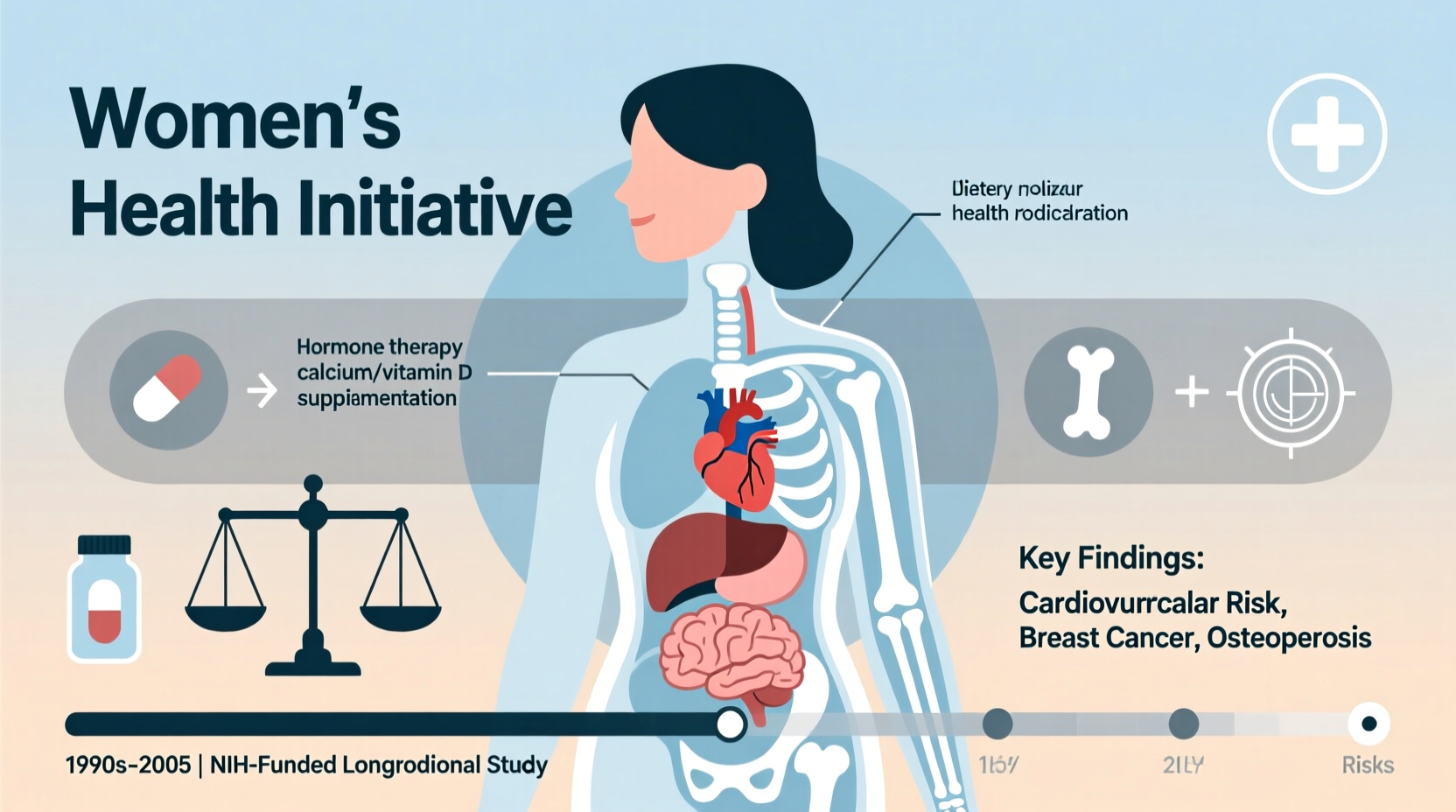
Prior to the 1990s, much of medical research focused primarily on men, leading to significant gaps in knowledge about women’s health outcomes. Conditions like heart disease, osteoporosis, and breast cancer were often studied using male-centric data, despite affecting millions of women differently. Recognizing this disparity, the NIH initiated the WHI to fill critical evidence gaps through rigorous, large-scale research.
The primary objectives included:
- Evaluating the effects of hormone therapy on chronic disease prevention
- Assessing the role of low-fat dietary patterns in reducing risks of cancer and cardiovascular disease
- Studying the impact of calcium and vitamin D supplementation on bone health and colorectal cancer
- Building a long-term database to explore genetic, behavioral, and environmental influences on aging and disease
The study enrolled over 161,000 women aged 50–79 between 1993 and 1998 across 40 clinical centers nationwide. Participants represented diverse racial, ethnic, and socioeconomic backgrounds—a deliberate effort to ensure results would be generalizable to broader populations.
Tip: When interpreting medical studies, consider both the population studied and how representative it is of real-world diversity.Major Study Components and Design
The WHI employed a multifaceted approach, combining randomized controlled trials (RCTs) with an observational study to generate robust evidence. The three main clinical trial arms were:
- Hormone Therapy (HT) Trial: Investigated estrogen alone (for women without a uterus) and estrogen plus progestin (for women with a uterus).
- Dietary Modification (DM) Trial: Tested whether a low-fat eating pattern could reduce the risk of breast cancer, colorectal cancer, and cardiovascular disease.
- Calcium/Vitamin D (CaD) Trial: Evaluated whether daily supplements reduced fractures and colorectal cancer incidence.
In addition, the Observational Study followed nearly 100,000 women who chose not to participate in interventions but provided extensive health data over time. This allowed researchers to examine lifestyle factors, biomarkers, and genetic predispositions linked to chronic diseases.
Key Features of the WHI Design
| Component | Participants | Primary Focus | Duration |
|---|---|---|---|
| Hormone Therapy | 27,000+ | Heart disease, cancer, osteoporosis | 5–7 years (initial), extended follow-up |
| Dietary Modification | 48,000+ | Cancer & cardiovascular prevention | 8 years average |
| Calcium/Vitamin D | 36,000+ | Bone health & colorectal cancer | 7 years average |
| Observational Study | 93,000+ | Lifestyle, genetics, aging | Ongoing since 1993 |
Landmark Findings That Changed Medical Practice
The release of WHI results in the early 2000s had immediate and far-reaching consequences for women’s healthcare. Perhaps the most impactful was the 2002 report from the estrogen-plus-progestin arm, which found that combined hormone therapy increased the risk of breast cancer, heart attacks, strokes, and blood clots—despite offering benefits like reduced hip fractures and lower rates of colorectal cancer.
This led to a dramatic decline in hormone therapy prescriptions and prompted the FDA to add black-box warnings to hormone products. The estrogen-alone trial (for women without uteruses) later showed a more neutral risk profile, with some protection against breast cancer but persistent stroke risks.
Other notable findings include:
- The Dietary Modification Trial found no significant reduction in overall heart disease or cancer rates, though there were modest improvements in breast cancer outcomes and weight management.
- Calcium and vitamin D supplementation reduced hip fracture risk by about 20% but did not significantly lower colorectal cancer incidence.
- Data from the Observational Study revealed strong links between physical activity, healthy weight, and reduced mortality, independent of other factors.
“Before the WHI, we assumed hormone therapy prevented heart disease in women. The study forced us to confront assumptions and re-evaluate decades of clinical practice.” — Dr. JoAnn E. Manson, Principal Investigator, Women’s Health Initiative
Real-World Impact: A Case Study in Clinical Change
In 2001, Maria Thompson, a 58-year-old teacher from Oregon, began estrogen-progestin therapy to manage hot flashes and prevent osteoporosis. Her doctor supported the decision based on prevailing beliefs that hormones protected heart health. But after the 2002 WHI results were published, her physician recommended tapering off the treatment.
Maria transitioned to non-hormonal therapies and adopted lifestyle changes—increased walking, improved diet, and regular bone density monitoring. Over the next decade, she maintained good cardiovascular health and avoided fractures. Her experience mirrors that of millions of women whose care shifted due to WHI evidence.
This case illustrates how high-quality research can rapidly transform patient care. It also underscores the importance of shared decision-making—balancing individual symptoms and risks rather than applying one-size-fits-all treatments.
Actionable Takeaways for Women and Providers
The WHI didn’t just produce data—it empowered patients and clinicians with tools to make better-informed choices. Below is a checklist summarizing practical applications of WHI insights:
Checklist: Applying WHI Insights in Real Life- Discuss personal risks before starting hormone therapy—especially if you have a history of cardiovascular issues or breast cancer.
- Use hormone therapy at the lowest effective dose and for the shortest duration necessary to manage menopausal symptoms.
- Prioritize lifestyle interventions: regular exercise, balanced nutrition, and smoking cessation offer proven long-term benefits.
- Consider calcium and vitamin D supplements if dietary intake is insufficient, particularly for older adults at risk of osteoporosis.
- Engage in routine screenings for breast cancer, heart disease, and bone density, especially after age 50.
Frequently Asked Questions
Did the WHI prove that all hormone therapy is dangerous?
No. The WHI found that combined estrogen-progestin therapy carries increased risks for certain conditions when used long-term in older postmenopausal women. However, estrogen-only therapy showed a different profile, and short-term use for symptom relief in early menopause may still be appropriate for many women under medical supervision.
Why didn’t the low-fat diet in the WHI reduce heart disease?
The trial succeeded in reducing total fat intake, but participants didn’t fully replace unhealthy fats with nutritious alternatives like whole grains, nuts, and fish. Later analyses suggest that diet quality—not just fat quantity—matters most for heart health.
Is the WHI still relevant today?
Yes. With ongoing follow-up into the 2020s, the WHI remains a vital resource for studying aging, genomics, cognitive decline, and chronic disease. Its biorepository and longitudinal data continue to fuel new discoveries.
Conclusion: Why Understanding the WHI Matters
The Women’s Health Initiative transformed how medicine approaches women’s health—not by providing simple answers, but by challenging assumptions with rigorous science. It taught us that prevention strategies must be evidence-based, personalized, and continually reevaluated. From reshaping hormone therapy guidelines to highlighting the power of lifestyle, the WHI’s legacy endures in clinics, research labs, and homes across America.
As new generations of women navigate midlife transitions and long-term wellness, the lessons of the WHI remain essential. Whether you’re a patient, provider, or policymaker, engaging with this body of work fosters smarter decisions and healthier futures.
🚀 Stay informed. Share this knowledge with others. Advocate for research that represents all women. Your health deserves science that listens, learns, and leads.