
Wendy’s chili is one of the most iconic fast-food side dishes in America—a hearty, meaty stew served hot and often eaten on its own or as a topping for fries, baked potatoes, or even salads. Known for its rich flavor, affordability, and high protein content, it has maintained a loyal following since its introduction in 1972. For health-conscious diners, fitness enthusiasts, or those managing dietary restrictions, understanding the full nutritional profile and ingredient composition of Wendy’s chili is essential. This comprehensive guide breaks down every aspect of the menu offering, from calorie counts and macronutrients to sodium levels, allergens, vegetarian suitability, and practical ways to enjoy it within different diet plans.
Definition & Overview
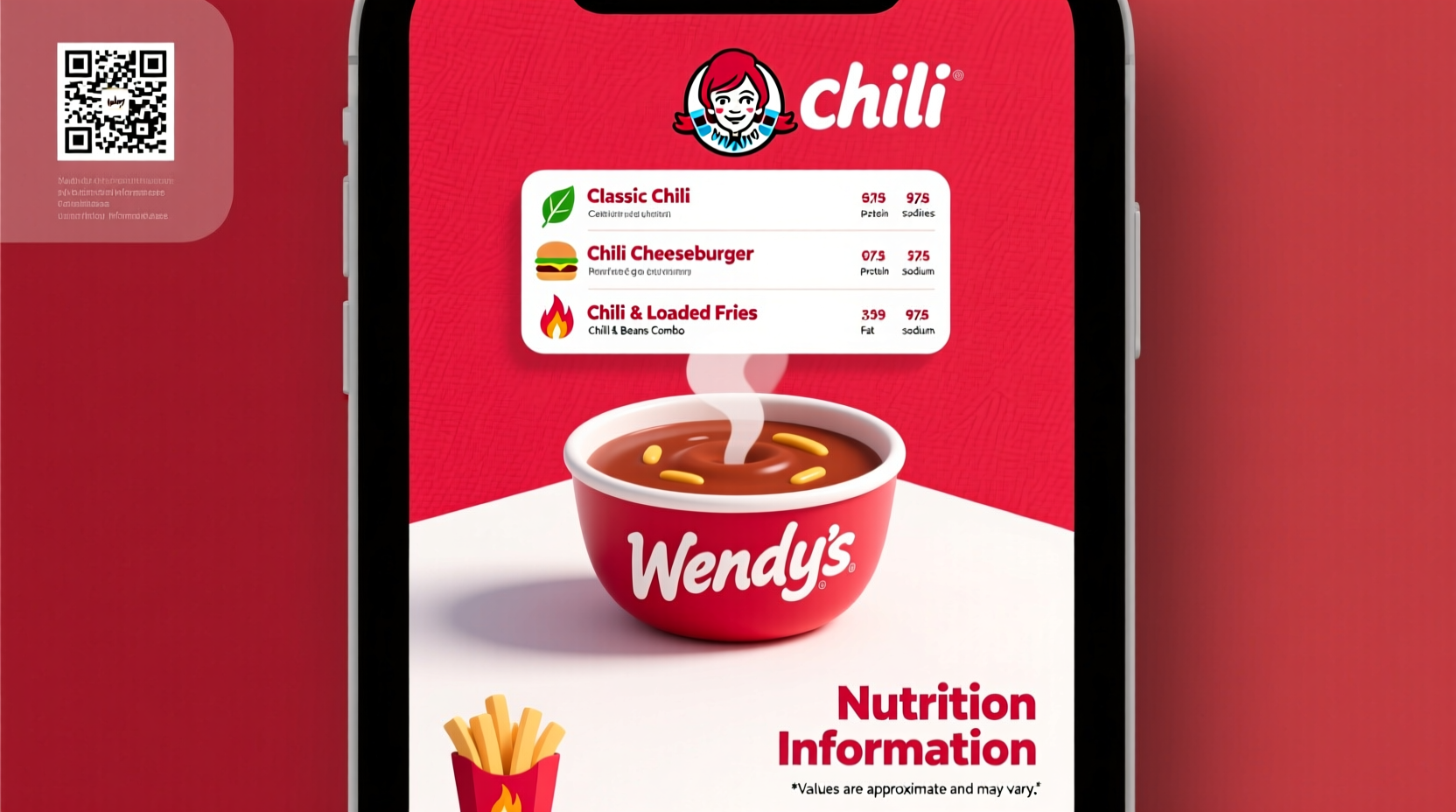
Wendy’s Natural Cut Beef Chili is a slow-simmered beef and bean stew seasoned with a blend of spices including garlic, onion, paprika, and chili powder. Unlike many competitors, Wendy’s chili contains no tomatoes or tomato paste, giving it a darker, more savory appearance and a less acidic taste. It is made with fresh beef (not frozen), diced onions, kidney beans, water, modified cornstarch, and a proprietary spice mix that contributes to its signature warmth without excessive heat.
The dish falls into the category of American-style meat chili—distinct from regional varieties like Cincinnati chili or Texas red—but aligns closely with diner-style comfort food. It is offered in two sizes: small (7.9 oz) and large (13.5 oz), both available à la carte or as part of value meals. Despite being marketed as a \"side,\" its protein density makes it a viable standalone meal, especially when paired with a salad or low-carb option.
Key Characteristics
- Flavor Profile: Savory, umami-rich, mildly spiced with earthy undertones from cumin and garlic; slightly salty with a hint of sweetness from onions.
- Aroma: Warm, meaty, and aromatic with notes of simmered beef and dried spices.
- Texture: Thick and chunky, with visible pieces of beef and whole beans suspended in a dense, gravy-like broth.
- Color: Deep brown, almost black due to absence of tomatoes and use of dark seasonings.
- Heat Level: Mild to moderate; not spicy by hot sauce standards but has background warmth from chili seasoning.
- Culinary Function: Served as a side dish, topping, or base for loaded items (e.g., chili cheese fries); also used in creative home recipes.
- Shelf Life: Not sold retail; only available freshly prepared at restaurants. Once purchased, should be refrigerated and consumed within 3–4 days.
Nutrition Breakdown by Serving Size
Nutritional values are based on official data from Wendy’s U.S. nutrition calculator (as of 2024). All figures reflect standard preparation with no modifications.
| Nutrient | Small (7.9 oz / ~224g) | Large (13.5 oz / ~383g) |
|---|---|---|
| Calories | 200 | 320 |
| Total Fat | 9g | 14g |
| Saturated Fat | 4g | 6g |
| Trans Fat | 0.5g | 0.5g |
| Cholesterol | 40mg | 65mg |
| Sodium | 970mg | 1,570mg |
| Total Carbohydrates | 15g | 25g |
| Dietary Fiber | 5g | 8g |
| Sugars | 2g | 3g |
| Protein | 15g | 24g |
| Iron | 15% DV | 25% DV |
| Calcium | 6% DV | 10% DV |
Note: Percent Daily Values (%DV) based on a 2,000-calorie diet. Sodium content is particularly high—especially in the large size, which provides over two-thirds of the recommended daily limit (2,300mg).
TIP: To reduce sodium intake, order the small chili and rinse it lightly under warm water before eating—an unconventional but effective method some nutritionists recommend for draining excess salt from canned or pre-made legume dishes. Alternatively, pair it with unsalted foods like a plain baked potato or side salad without dressing.
Ingredients and Allergens
Full ingredient list per Wendy’s public disclosure:
- Water
- Beef
- Onions
- Kidney Beans (prepared from navy beans, water, calcium chloride, and potassium metabisulfite)
- Modified Corn Starch
- Salt
- Spices (including chili pepper, cumin, paprika)
- Garlic Powder
- Monosodium Glutamate (MSG)
- Xanthan Gum
- Extractives of Paprika
Allergen Notes:
- Contains: Beef (red meat allergen, rare but possible).
- Processed with equipment that may contact milk, soy, wheat, egg, and tree nuts, though these are not direct ingredients.
- No gluten-containing ingredients listed, but cross-contamination risk exists in kitchen environment.
- Not vegetarian or vegan: Contains animal-derived beef and likely uses beef tallow or stock in cooking.
“Wendy’s prides itself on using ‘fresh beef’ never frozen—which applies to both burgers and chili. That means the ground beef used in chili is the same 100% North American beef found in their hamburgers, simply simmered longer with spices and beans.” — Wendy’s Corporate Nutrition FAQ
Variants and Regional Differences
While the core recipe remains consistent across the United States, minor variations exist depending on region and franchise operations:
- Classic Beef Chili: The standard version available nationwide.
- Chili Cheese Fries: Natural-cut fries topped with chili and shredded cheddar. Available in junior and full sizes.
- Baconator Chili: Limited-time offering combining chili with bacon crumbles and melted cheese, typically during winter months.
- Chili Mac: A discontinued item occasionally revived regionally—chili mixed with elbow macaroni and cheese.
- Vegetarian Chili (Discontinued): Offered briefly in the 1990s but removed due to low demand and supply chain challenges.
Internationally, Wendy’s adapts its menu significantly. In Japan, for example, a sweet-and-savory pork-based chili is offered seasonally, while Middle Eastern locations sometimes feature halal-compliant versions using lamb.
Comparison with Other Fast-Food Chilis
How does Wendy’s stack up against major competitors? Here's a side-by-side comparison of key metrics (small/standard serving):
| Feature | Wendy’s | KFC | McDonald’s (discontinued) | Arby’s |
|---|---|---|---|---|
| Base Ingredient | Beef + Kidney Beans | Chicken + Pinto Beans | Beef + Tomatoes | Beef + Beans + Tomatoes |
| Tomato-Based? | No | No | Yes | Yes |
| Calories (approx.) | 200 | 220 | 210 | 250 |
| Protein | 15g | 12g | 10g | 13g |
| Sodium | 970mg | 1,180mg | 920mg | 1,200mg |
| Fiber | 5g | 6g | 4g | 5g |
| Vegetarian Option? | No | No | No | No |
| Gluten-Free? | No confirmed process | No | No | No |
Wendy’s stands out for its higher protein-per-calorie ratio and lack of tomatoes, appealing to those avoiding acidity or nightshades. However, KFC’s chicken chili offers a leaner meat alternative, while Arby’s version delivers a more traditional chili flavor thanks to tomato inclusion.
Practical Usage and Culinary Applications
Though designed as a quick-service side, Wendy’s chili can be repurposed creatively in home kitchens:
As a Base for Loaded Dishes
Use heated Wendy’s chili as a topping for:
- Baked potatoes (skin-on for extra fiber)
- Polenta or grits (for Southern-inspired bowls)
- Scrambled eggs (breakfast chili scramble)
- Hot dogs (a twist on Coney Island style)
In Meal Prep and Diet Planning
For high-protein, low-cost meal prep:
- Purchase several small chilis during a sale or combo deal.
- Divide into single servings and freeze in BPA-free containers (up to 2 months).
- Reheat gently on stove with splash of water to restore texture.
- Pair with steamed broccoli, cauliflower rice, or a green salad for balanced plate.
Low-Carb and Keto Adaptations
At 15g carbs per small bowl, standard chili exceeds strict keto limits. However, portion control allows adaptation:
- Limited to ½ small serving (~100 calories, ~7g net carbs).
- Combine with avocado slices, sour cream, and cheddar for added fats.
- Avoid pairing with buns, fries, or cornbread.
Bodybuilding and Fitness Diets
With 15g protein and only 200 calories, small chili offers excellent protein density (0.075g protein/calorie)—comparable to canned tuna. Ideal post-workout if sodium isn’t a concern.
PRO TIP: Add a boiled egg or Greek yogurt on the side to boost protein further without significant fat increase. Avoid large size unless in a bulking phase due to elevated sodium and calorie load.
Substitutions and Dietary Modifications
Can you make Wendy’s chili healthier or adapt it for special diets? While customization options are limited in-store, here are strategies:
- Lower Sodium: Order small size, eat half, discard liquid portion, or dilute with low-sodium broth or steamed vegetables.
- Higher Protein: Top with extra shredded cheese (+4g protein) or ask for grilled chicken strip add-on if available.
- Dairy-Free: Naturally free of dairy ingredients; confirm no cross-contact if highly sensitive.
- Gluten Sensitivity: No gluten ingredients listed, but fryers and prep surfaces may expose it to wheat. Not certified gluten-free.
- Vegetarian/Vegan: No current plant-based chili option. Best alternative: skip chili entirely and opt for side salad or apple bites.
Practical Tips & FAQs
Is Wendy’s chili healthy?
It depends on your goals. High in protein and fiber, yes—but also high in sodium and contains MSG and trans fat. Best consumed occasionally or in controlled portions. Not ideal for heart health or hypertension management.
Does Wendy’s chili have beans?
Yes, it contains kidney beans (listed as “prepared from navy beans” due to processing methods). These contribute to fiber and texture but are fully cooked and soft.
Why does Wendy’s chili look so dark?
The absence of tomatoes and the use of dark spices like paprika, cumin, and chili powder create a deep brown-to-black hue. This distinguishes it visually from tomato-based chilis like McDonald’s former version.
Is there MSG in Wendy’s chili?
Yes, monosodium glutamate is explicitly listed. It enhances savory flavor (umami) and is safe for most people, though some report sensitivity (headaches, flushing).
Can I buy Wendy’s chili in cans?
No. Unlike Campbell’s or Hormel, Wendy’s does not sell its chili in retail packaging. Attempts were made in the 1980s, but brand licensing failed to gain traction.
How can I reheat Wendy’s chili safely?
Transfer to microwave-safe container, cover loosely, heat on medium power in 60-second intervals, stirring between, until internal temperature reaches 165°F (74°C). On stove, warm gently with splash of water to prevent scorching.
Is Wendy’s chili good for weight loss?
The small size can fit into a calorie-controlled plan due to moderate energy and high satiety from protein and fiber. But monitor sodium, which can cause water retention. Pair with non-starchy vegetables for volume eating.
Summary & Key Takeaways
Wendy’s chili remains a standout in the fast-food landscape—not just for its nostalgic appeal but for its nutritional strengths when used strategically. Key points to remember:
- It is a high-protein, moderate-calorie side with 15g protein in a small serving.
- No tomatoes are used, resulting in a richer, less acidic flavor and darker color.
- Sodium is very high—nearly 1,000mg per small bowl—making it unsuitable for frequent consumption by those with hypertension.
- Contains MSG and trace trans fat; not suitable for all dietary restrictions.
- Not vegetarian, vegan, or certified gluten-free, though it lacks direct gluten ingredients.
- Most valuable as a protein booster in budget-friendly meals or creative home recipes.
Final Recommendation: Enjoy Wendy’s small chili as an occasional, satisfying meal component—especially when paired with nutrient-dense sides. For regular chili cravings, consider making a homemade version using lean ground turkey, low-sodium beans, and fresh spices to control ingredients and health impact.









