Removing makeup is a crucial step in any skincare routine. However, the method used can significantly impact skin health—especially for those with sensitive, acne-prone, or reactive complexions. As eco-conscious beauty gains momentum, consumers are increasingly choosing between washable makeup wipes and reusable cloths. While both promise sustainability and reduced waste, their effects on skin vary widely depending on materials, cleaning agents, and usage habits. Understanding the differences helps ensure effective cleansing without compromising skin integrity.
Understanding the Options
Before evaluating gentleness, it's important to define each product clearly.
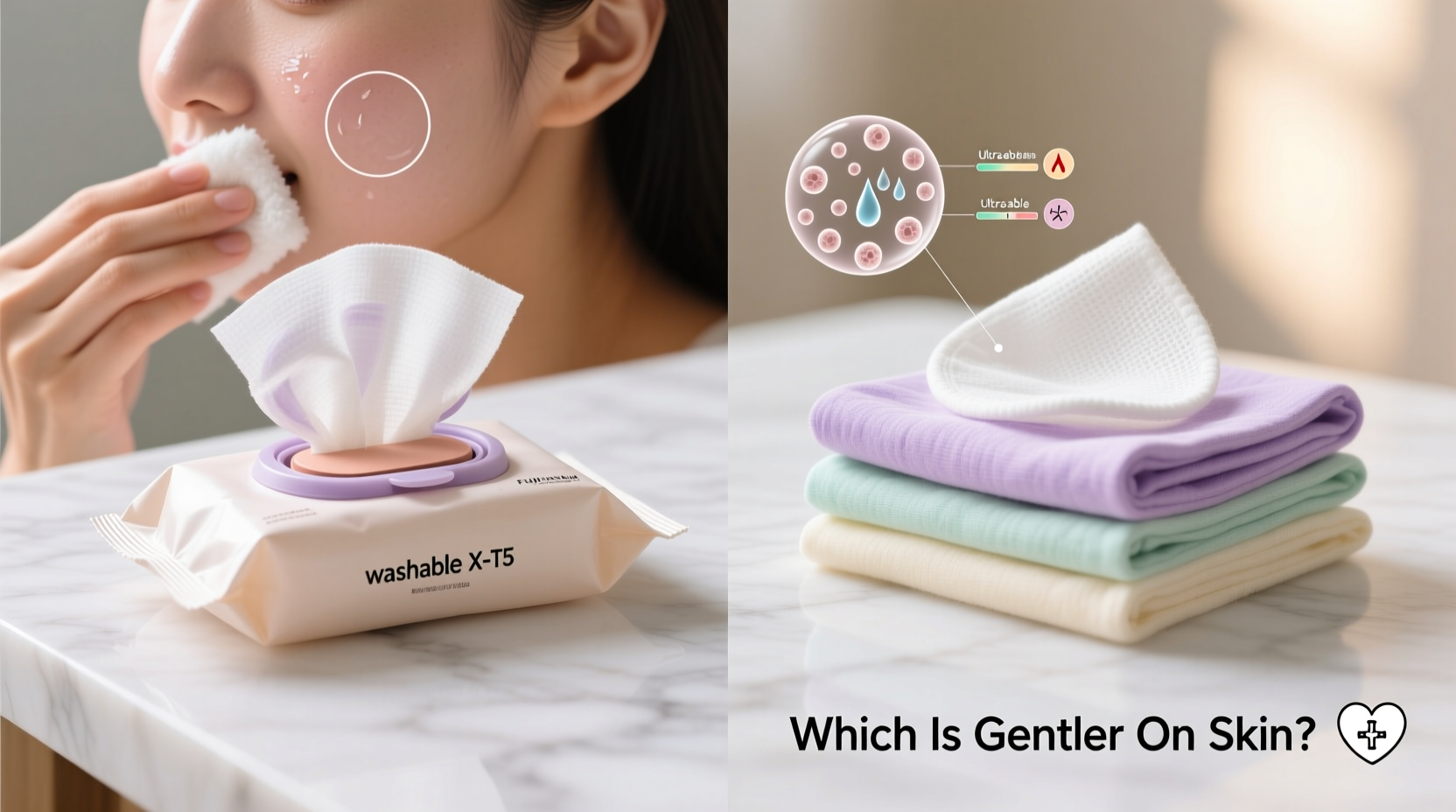
Washable makeup wipes are disposable-style wipes made from soft, absorbent fabric (often bamboo, cotton, or microfiber) designed for single use but engineered to be machine-washed and reused multiple times—typically 50 to 100 washes. They often come pre-moistened with cleanser or are used with micellar water or facial oil.
Reusable cloths, also known as konjac sponges, muslin cloths, or double-sided cleansing pads, are dry textiles used in conjunction with cleansers. These include natural fiber options like organic cotton, bamboo terry, or plant-based konjac root. Unlike wipes, they aren’t pre-soaked and require wetting before use.
The key distinction lies in application: washable wipes often contain or carry cleanser directly, while reusable cloths act more like tools that assist mechanical removal when paired with your preferred cleanser.
Material Composition and Skin Sensitivity
The fabric used in either product plays a major role in how gently it treats the skin. Harsh fibers or chemical residues can cause micro-tears, irritation, or barrier disruption—especially around the delicate eye area.
Washable wipes frequently use tightly woven microfiber blends to enhance makeup pickup. While efficient, some lower-quality microfibers have rougher textures that may abrade sensitive skin over time. High-end versions use ultra-soft bamboo-rayon or organic cotton, minimizing friction.
In contrast, most reusable cloths prioritize natural materials. Konjac sponges, for example, are made from the root of the konjac plant and expand into a jelly-like texture when wet, offering a near-weightless glide across the skin. Muslin cloths, though slightly more textured, provide mild exfoliation ideal for combination or oily skin but may feel too abrasive for rosacea-prone individuals if used aggressively.
“Even gentle fabrics can become problematic if used with excessive pressure. The force applied matters as much as the material.” — Dr. Lena Patel, Board-Certified DermatologistTip: Always dampen reusable cloths thoroughly before use to reduce surface friction and prevent tugging.
Chemical Exposure and Cleanser Compatibility
This is where washable wipes face greater scrutiny. Many users soak them in commercial micellar waters or cleansing lotions containing alcohol, fragrances, or preservatives like phenoxyethanol—all potential irritants for reactive skin types.
Pre-moistened reusable wipe systems sometimes include added surfactants to boost makeup removal. While convenient, these formulations may compromise the skin’s acid mantle with repeated use. Even “natural” cleansers can contain essential oils or botanical extracts that trigger sensitivities.
Reusable cloths sidestep this issue by acting as neutral vehicles. Since users control the cleanser, they can select fragrance-free, hypoallergenic formulas tailored to their skin needs. For instance, someone with eczema might pair a bamboo cloth with a ceramide-rich balm cleanser, avoiding unnecessary additives entirely.
Additionally, residual detergent left in washed wipes after laundering poses another hidden risk. Incomplete rinsing can leave behind irritants, especially if conventional detergents with dyes or perfumes are used.
Cleanser Safety Checklist
- Free from synthetic fragrances and dyes
- No alcohol denat or drying sulfates
- Non-comedogenic and dermatologically tested
- Rinses cleanly without residue
- Paired with soft, well-rinsed fabric tools
Hygiene and Bacterial Buildup
Gentle cleansing means little if the tool itself becomes a source of contamination. Both products require diligent care to remain safe for daily use.
Washable wipes must be laundered after every use. Failure to do so allows bacteria, sebum, and leftover makeup to accumulate, increasing the risk of breakouts and infections. Cold or quick wash cycles may not fully sanitize them, particularly if they’ve been used with oily cleansers.
Reusable cloths demand similar attention. A konjac sponge left damp in a humid bathroom breeds mold within days. Cotton pads develop mildew if not dried completely. Experts recommend replacing konjac sponges monthly and washing fabric cloths at least twice weekly in hot water.
One advantage of reusable cloths is visibility: stains or odors signal immediate need for cleaning. Washable wipes, especially darker-colored ones, may hide residue, giving a false sense of cleanliness.
| Factor | Washable Makeup Wipes | Reusable Cloths |
|---|---|---|
| Texture | Soft microfiber or bamboo; may vary by brand | Natural konjac (jelly-soft), muslin (lightly abrasive), or terry cotton |
| Cleanser Integration | Often pre-soaked or used with liquid cleansers | User-applied cleanser; full ingredient control |
| Irritation Risk | Moderate (due to chemicals, detergent residue) | Low to moderate (depends on scrubbing technique) |
| Hypoallergenic Potential | Depends on cleanser and fabric quality | High (when paired with sensitive-skin cleansers) |
| Lifespan | 50–100 washes | Konjac: ~4 weeks; Fabric: 3–6 months |
| Drying Time | Fast (thin material) | Slow (especially konjac; requires ventilation) |
Real-World Usage: A Mini Case Study
Sophie, a 32-year-old with combination-sensitive skin and a history of perioral dermatitis, experimented with both options over six months. Initially drawn to washable wipes for their convenience, she used a popular bamboo version soaked in rosewater-infused micellar solution. Within three weeks, she noticed increased redness and tightness around her mouth.
After consulting her dermatologist, Sophie switched to a reusable konjac sponge paired with a fragrance-free milk cleanser. She rinsed the sponge thoroughly after each use and allowed it to air-dry upright on a ventilated rack. Over the next month, her flare-ups decreased significantly. “I realized it wasn’t just about the tool,” she said, “but what I was pairing it with—and how consistently I cleaned it.”
Her experience underscores an essential truth: no tool is inherently gentle unless used correctly and maintained properly.
Step-by-Step Guide to Gentle Makeup Removal
Regardless of which option you choose, follow this sequence to minimize irritation:
- Start with clean hands – Prevent transferring bacteria to your face.
- Pre-treat heavy makeup – Apply a pea-sized amount of oil or balm to dissolve waterproof mascara and foundation.
- Use lukewarm water – Hot water strips natural oils; cold water won’t emulsify makeup effectively.
- Soften your tool – Fully saturate cloths or wipes before touching skin.
- Use light pressure – Let the cleanser do the work. Avoid dragging or rubbing.
- Rinse thoroughly – Ensure no cleanser or residue remains on skin or fabric.
- Wash and dry immediately – Launder cloths or wipes after each use; store in a dry area.
Frequently Asked Questions
Can reusable cloths cause acne?
They can—if not cleaned regularly. Trapped oil and bacteria on unwashed cloths transfer back to the skin, clogging pores. To prevent breakouts, wash cloths after every 1–2 uses and replace konjac sponges monthly.
Are washable wipes truly eco-friendly?
They reduce landfill waste compared to disposables, but their environmental benefit depends on laundering practices. Frequent hot washes increase water and energy use. Maximize sustainability by washing full loads in cold water using eco-detergent.
Which is better for sensitive eyes?
Reusable konjac sponges generally win for the eye area due to their ultra-soft texture. Used with a gentle oil, they remove mascara without tugging. Avoid microfiber washable wipes near the eyes unless specifically labeled ophthalmologist-tested.
Expert Insight on Long-Term Skin Health
Dermatologists emphasize that the cumulative effect of daily cleansing tools shapes skin resilience over time.
“The stratum corneum—the outermost skin layer—is only as strong as our daily habits allow. Repeated friction, even from ‘soft’ materials, weakens it. Pair physical tools with nourishing ingredients, not aggressive mechanics.” — Dr. Anika Rao, Clinical Skincare Researcher
This principle favors reusable cloths when used mindfully. Their compatibility with restorative cleansers—like oat-based washes or hydrating balms—supports barrier function. Conversely, washable wipes often encourage reliance on foaming or stripping solutions that may undermine long-term gentleness, despite feeling convenient in the moment.
Final Verdict: Which Is Gentler?
When evaluated purely on skin compatibility, **reusable cloths edge out washable wipes as the gentler option**—but with critical caveats.
For individuals with sensitive, dry, or compromised skin, reusable cloths made from konjac or organic cotton offer superior softness and ingredient control. When paired with soothing, non-irritating cleansers and maintained hygienically, they support a calm, balanced complexion.
Washable wipes can be gentle too, provided high-quality, low-irritant fabrics are used, and users avoid harsh companion cleansers. However, the risk of detergent residue, inconsistent washing, and overly aggressive wiping techniques makes them less predictable for fragile skin.
Ultimately, gentleness isn’t solely determined by the tool—it’s shaped by the entire routine: product choices, pressure applied, frequency of cleaning, and individual skin needs.
Take Action for Kinder Cleansing
Your nightly routine shouldn’t come at the cost of comfort or long-term skin health. Whether you prefer the convenience of washable wipes or the customizable approach of reusable cloths, prioritize purity, softness, and consistency. Choose unscented detergents for laundering, adopt a no-rub policy, and listen to your skin’s feedback.
Switching to a gentler method might seem minor, but over hundreds of uses, the difference becomes visible: fewer flare-ups, stronger resilience, and a smoother, calmer complexion. Start tonight. Your skin will thank you tomorrow—and years down the line.
💬 Have you found a zero-waste makeup removal method that’s kind to your skin? Share your favorite tips, brands, or routines in the comments below—your insight could help others make a gentler switch!