
Toothaches can strike without warning—throbbing pain, sensitivity to temperature, or discomfort while chewing can make even simple tasks unbearable. While seeing a dentist is essential for long-term relief, not everyone can access immediate care. That’s where a simple, time-tested home remedy comes in: warm salt water rinses. Used for generations across cultures, this gentle solution offers real, measurable benefits for oral discomfort. It doesn’t replace dental treatment, but it can provide meaningful temporary relief while reducing inflammation and cleaning the affected area.
How Warm Salt Water Alleviates Tooth Pain
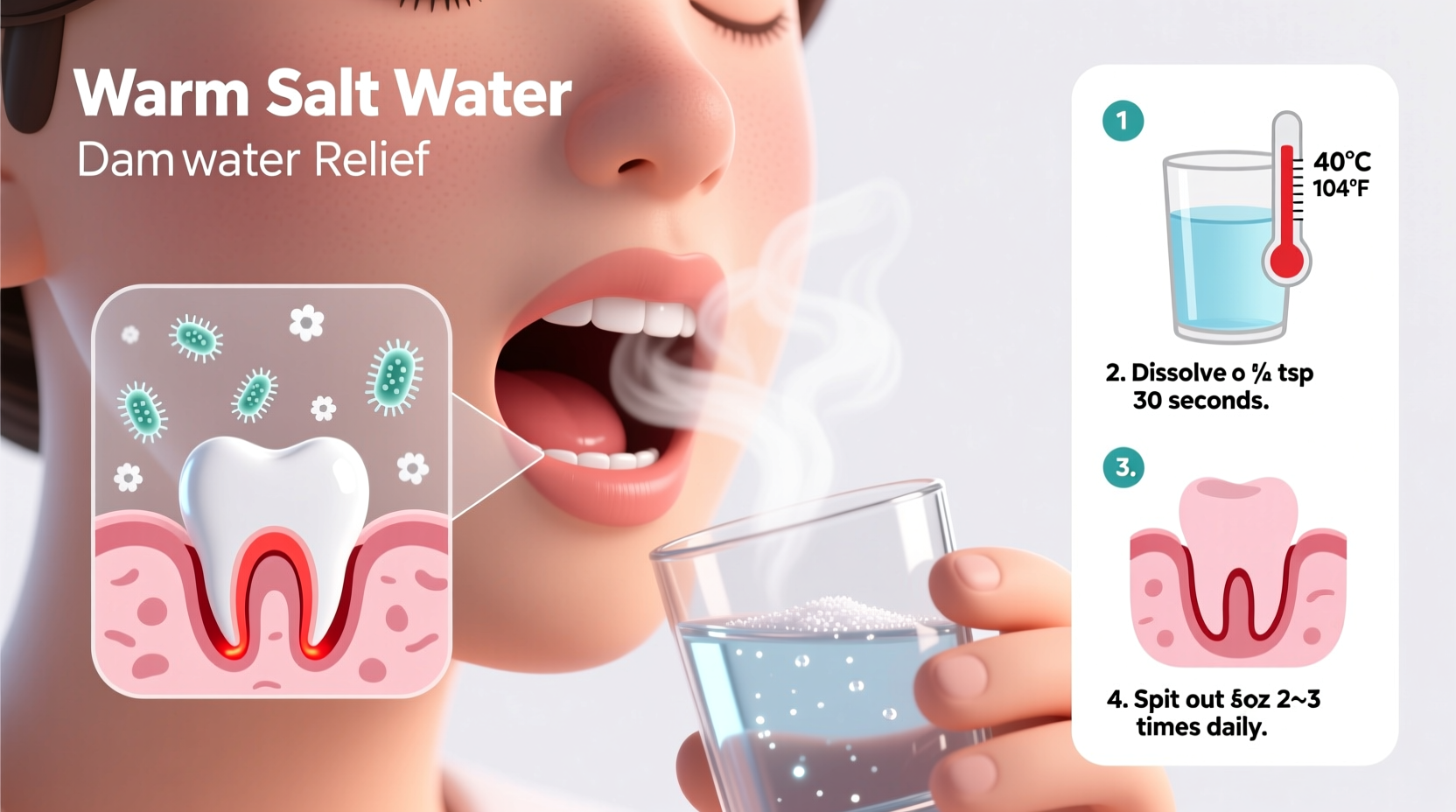
The effectiveness of warm salt water lies in its dual action: osmotic pressure and thermal comfort. When you dissolve salt in warm water, you create a hypertonic solution—one with a higher concentration of salt than your body tissues. When applied to an inflamed area in the mouth, this solution draws out excess fluid from swollen tissues through osmosis, reducing pressure and swelling that contribute to pain.
Additionally, the warmth of the water increases blood flow to the area, promoting healing and soothing nerve endings. Heat also helps relax muscles around the jaw, which may be tensing up due to pain—a common cause of secondary discomfort during a toothache.
“Rinsing with warm saline is one of the most effective first-line home remedies for minor oral irritation. It cleans gently, reduces swelling, and prepares the tissue for healing.” — Dr. Lena Reyes, DDS, Oral Health Specialist
Salt itself has mild antibacterial properties. While it won’t eliminate deep infections like abscesses, it can reduce the number of bacteria on the surface of gums and teeth, helping prevent further irritation. This makes it particularly useful after dental procedures, during gum flare-ups, or when food debris becomes trapped near a painful tooth.
Step-by-Step Guide to Using Warm Salt Water
Using warm salt water correctly maximizes its benefits. Follow this simple process for best results:
- Prepare the Solution: Mix ½ teaspoon of non-iodized table salt (or sea salt) into 8 ounces (about 240 ml) of warm water. The water should be comfortably warm—not hot—to avoid scalding sensitive tissues.
- Swish Gently: Take a generous sip of the solution and swish it around the affected area for 30 seconds to 1 minute. Focus the rinse directly on the painful side of your mouth if possible.
- Spit, Don’t Swallow: After swishing, spit the solution into the sink. Do not swallow large amounts, especially if you have high blood pressure or are on a low-sodium diet.
- Repeat as Needed: You can safely repeat this rinse 3–4 times a day, particularly after meals or before bed when pain often worsens.
- Maintain Consistency: Continue the routine until symptoms improve or you see a dentist.
When Warm Salt Water Works Best: Real-World Scenarios
Not all toothaches respond equally to salt water. Understanding when it’s most effective can help you decide whether to try it—or call your dentist immediately.
Case Example: Maria, a 34-year-old teacher, woke up with sharp pain near her lower molar. She couldn’t book a dental appointment for two days. After ruling out visible cavities or trauma, she recalled her grandmother’s advice: “Salt water soothes everything.” She began rinsing every few hours. By the second day, the throbbing had subsided significantly, though sensitivity remained. At her appointment, the dentist diagnosed minor gum inflammation caused by trapped food, not infection. The salt water had helped clear debris and calm the tissue, preventing progression.
This scenario illustrates a typical success story—when the source of pain is localized irritation, early-stage gingivitis, or post-extraction soreness. However, salt water won’t penetrate deep infections or reverse decay.
Do’s and Don’ts of Salt Water Rinsing
| Do’s | Don’ts |
|---|---|
| Use warm, not hot, water | Use extremely hot water—it can burn delicate oral tissue |
| Rinse after meals to remove debris | Swallow large quantities of salt water regularly |
| Use non-iodized salt to minimize irritation | Add hydrogen peroxide unless directed by a dentist |
| Continue regular brushing and flossing | Delay seeing a dentist if pain persists beyond 2–3 days |
| Combine with cold compresses for swelling | Rely solely on salt water for severe pain or fever |
Frequently Asked Questions
Can I use any type of salt?
Yes, but finer salts like table salt or sea salt dissolve more easily. Avoid coarse rock salt or flavored salts with additives, as they may irritate tissues or leave residue. Non-iodized salt is preferred to reduce potential sensitivity.
How quickly does salt water work for tooth pain?
Many people feel relief within minutes of their first rinse, especially if swelling or trapped particles are contributing to discomfort. Maximum benefit usually occurs after consistent use over 24–48 hours. If pain worsens or persists, professional evaluation is necessary.
Is it safe to use every day?
Short-term daily use (3–5 days) is safe for most adults. Long-term frequent use may disrupt the natural oral microbiome or erode enamel slightly due to increased pH fluctuations. For chronic issues like recurring gum inflammation, consult your dentist for sustainable solutions.
Complementary Care Tips for Immediate Relief
While warm salt water is highly effective, combining it with other conservative measures can enhance comfort:
- Cold Compress: Apply to the outside of your cheek for 15 minutes to reduce swelling and numb nerve signals.
- Elevate Your Head: When lying down, use an extra pillow. This decreases blood pooling in the head, which can intensify pain at night.
- Over-the-Counter Pain Relief: Medications like ibuprofen or acetaminophen can be used alongside rinsing for better symptom control.
- Avoid Triggers: Stay away from very hot, cold, sweet, or acidic foods until sensitivity improves.
When to See a Dentist Immediately
Warm salt water is a supportive measure, not a cure. Certain symptoms indicate urgent care is required:
- Pain lasting more than 2–3 days despite home care
- Visible swelling in the face, jaw, or gums
- Fever or pus discharge near the tooth
- Difficulty opening your mouth or swallowing
- Loose tooth or persistent bad taste in the mouth
These signs may point to an abscess, advanced decay, or periodontal disease—all requiring professional intervention such as antibiotics, root canal therapy, or extraction. Delaying treatment can lead to serious complications, including systemic infection.
Conclusion: A Simple Remedy with Real Value
Warm salt water remains one of the most accessible, affordable, and scientifically supported methods for managing mild tooth pain. Its ability to reduce inflammation, cleanse the mouth, and support natural healing makes it a cornerstone of home oral care. Used correctly, it empowers individuals to take control of minor discomfort while bridging the gap to professional treatment.
If you’re experiencing a toothache, don’t suffer in silence. Try a warm salt water rinse today—you might find quick, soothing relief. But remember: self-care complements, never replaces, expert diagnosis. Prioritize seeing a dentist to address the root cause and protect your long-term oral health.
💬 Have you used warm salt water for tooth pain? Share your experience or tips in the comments below—your insight could help someone in discomfort tonight.








