
It’s not uncommon to notice your veins becoming more visible—especially on your hands, arms, or legs. For some, this change happens gradually; for others, it appears suddenly. While increased vein visibility is often harmless, it can sometimes signal an underlying condition or lifestyle shift worth understanding. Whether you're concerned about aesthetics or potential health issues, knowing the reasons behind prominent veins helps you make informed decisions about your well-being.
What Causes Veins to Become More Visible?
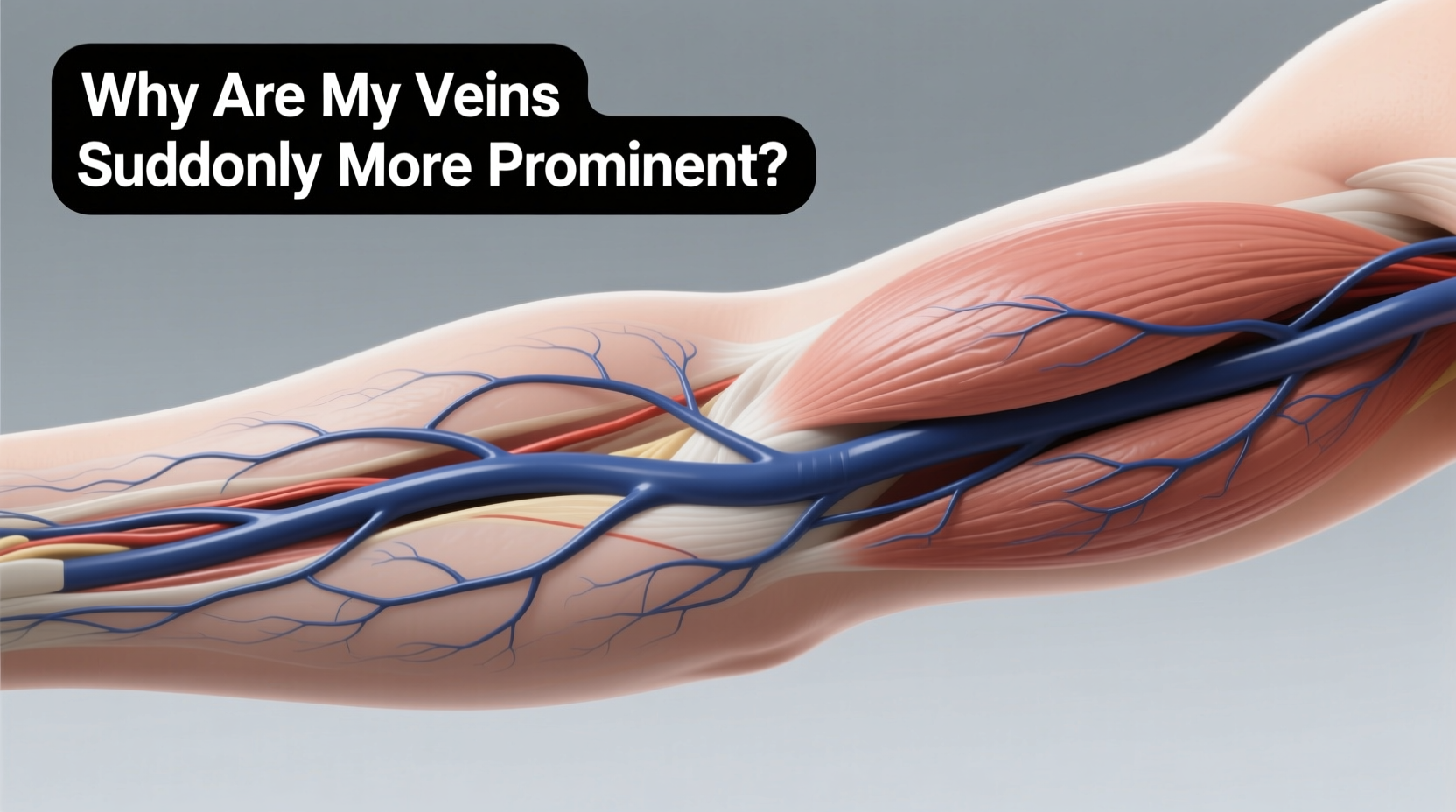
Veins transport deoxygenated blood back to the heart and are normally just beneath the skin's surface. Several physiological and environmental factors influence how prominent they appear. The most common causes include changes in body composition, aging, physical activity levels, and hydration status.
One of the primary reasons veins become more noticeable is a decrease in subcutaneous fat—the layer of fat directly under the skin. As this layer thins, whether due to weight loss, aging, or genetics, veins lie closer to the surface and appear more defined. Similarly, increased muscle mass can push veins outward, making them stand out, particularly in physically active individuals.
Temperature also plays a role. In warmer conditions, blood vessels dilate to help regulate body heat, causing veins to expand and become more apparent. Conversely, cold temperatures may temporarily reduce visibility, only for veins to reappear once circulation adjusts.
Tip: Stay hydrated and avoid prolonged exposure to extreme heat if you notice sudden vein prominence without other symptoms.Common Non-Medical Reasons for Sudden Vein Visibility
- Weight loss: Rapid or significant fat reduction exposes previously hidden veins.
- Increased physical activity: Exercise boosts circulation and builds muscle, both of which enhance vein definition.
- Aging: Skin becomes thinner and loses elasticity over time, while fat diminishes, increasing vein visibility.
- Genetics: Some people naturally have more visible vasculature due to inherited traits.
- Dehydration: When the body lacks sufficient fluids, blood volume drops slightly, concentrating veins and making them more pronounced.
These factors typically result in symmetrical, gradual changes across both sides of the body. If no pain, swelling, or discoloration accompanies the appearance of veins, the cause is likely benign.
When Prominent Veins Signal a Health Concern
While most cases of visible veins are normal, certain patterns warrant medical evaluation. Sudden prominence in one limb, especially when paired with discomfort, could indicate circulatory problems such as deep vein thrombosis (DVT), venous insufficiency, or varicose veins.
Varicose veins develop when valves inside leg veins weaken, allowing blood to pool. This leads to bulging, twisted veins that may ache or feel heavy. They’re often hereditary but can be exacerbated by prolonged standing, obesity, or pregnancy.
In rare instances, prominent veins might reflect internal pressure changes. For example, jugular vein distention in the neck can suggest heart failure or fluid overload. Abdominal wall veins that appear suddenly may point to liver disease or portal hypertension.
“Not all visible veins are problematic, but asymmetry, pain, or rapid onset should prompt a clinical assessment.” — Dr. Alan Reyes, Vascular Medicine Specialist
Do’s and Don’ts: Managing Vein Changes Safely
| Do’s | Don’ts |
|---|---|
| Maintain a healthy weight to support circulation | Ignore persistent swelling or pain in limbs |
| Stay hydrated to stabilize blood volume | Wear tight clothing that restricts blood flow |
| Elevate legs if experiencing heaviness or mild swelling | Assume all visible veins are harmless without context |
| Use sunscreen to preserve skin thickness and elasticity | Self-diagnose based on internet research alone |
Real-Life Example: A Case of Misinterpreted Vein Changes
Sarah, a 38-year-old office worker, noticed her left calf veins becoming unusually prominent after returning from a long flight. She initially dismissed it as dehydration but soon experienced tenderness and warmth along the inner leg. Concerned, she visited her doctor, who ordered an ultrasound. The diagnosis: a small deep vein thrombosis likely triggered by immobility during travel.
With anticoagulant therapy and compression stockings, Sarah recovered fully. Her case highlights how seemingly cosmetic changes can mask serious conditions—especially when unilateral and accompanied by other symptoms.
Step-by-Step Guide: Assessing New Vein Prominence
- Observe symmetry: Are the veins equally visible on both sides of the body?
- Note accompanying symptoms: Check for pain, swelling, redness, or skin changes near the area.
- Review recent changes: Consider new exercise routines, weight loss, or prolonged sitting/standing.
- Monitor progression: Track whether the veins worsen over days or weeks.
- Consult a healthcare provider: Seek evaluation if asymmetry, discomfort, or risk factors like clotting history exist.
Frequently Asked Questions
Can dehydration make veins more visible?
Yes. Dehydration reduces plasma volume in the bloodstream, increasing the relative concentration of red blood cells and making veins appear darker and more prominent. Rehydrating usually restores normal appearance.
Are visible veins a sign of poor circulation?
Not necessarily. In fact, athletes often have very visible veins due to excellent circulation and low body fat. However, if veins are bulging, painful, or associated with swelling, poor venous return could be a factor.
Should I worry about visible hand veins?
Hand veins commonly become more noticeable with age as skin thins and fat pads recede. Unless there's pain, sudden lump formation, or signs of infection, this change is typically cosmetic and not dangerous.
Prevention and Long-Term Care Strategies
Maintaining vascular health involves consistent lifestyle habits. Regular movement prevents blood stagnation, especially in the lower extremities. Avoid sitting or standing for extended periods without breaks. Simple actions like ankle rolls or short walks every hour improve circulation.
Compression garments may benefit those prone to swelling or with a family history of venous disorders. Additionally, protecting your skin from excessive sun exposure preserves collagen and elastin, helping maintain a smoother dermal layer that subtly conceals underlying vessels.
Nutrition also matters. Diets rich in flavonoids—found in berries, citrus, and leafy greens—support vein strength. Adequate protein intake maintains tissue integrity, while limiting sodium reduces fluid retention that can strain vessel walls.
Conclusion
Sudden vein prominence isn’t always alarming, but it shouldn’t be ignored without context. From natural aging to intense workouts, many explanations are perfectly normal. Yet, when combined with pain, asymmetry, or rapid development, visible veins can be early warning signs requiring professional insight. Understanding your body’s signals empowers you to distinguish between harmless changes and those needing attention.
💬 Have you noticed sudden changes in your veins? Share your experience or questions below—your story might help someone recognize a critical symptom early.








