
Fungal infections beneath the breasts are more common than many realize, particularly among individuals who sweat heavily, live in humid climates, or have skin folds that trap moisture. Known medically as cutaneous candidiasis or intertrigo, this condition causes redness, itching, burning, and sometimes cracking or oozing of the skin. While uncomfortable, it is treatable—especially when addressed early with the right antifungal cream and proper hygiene practices. Understanding which creams work best, how to apply them correctly, and how to prevent future flare-ups can make a significant difference in comfort and skin health.
Understanding Fungal Infections Under the Breast
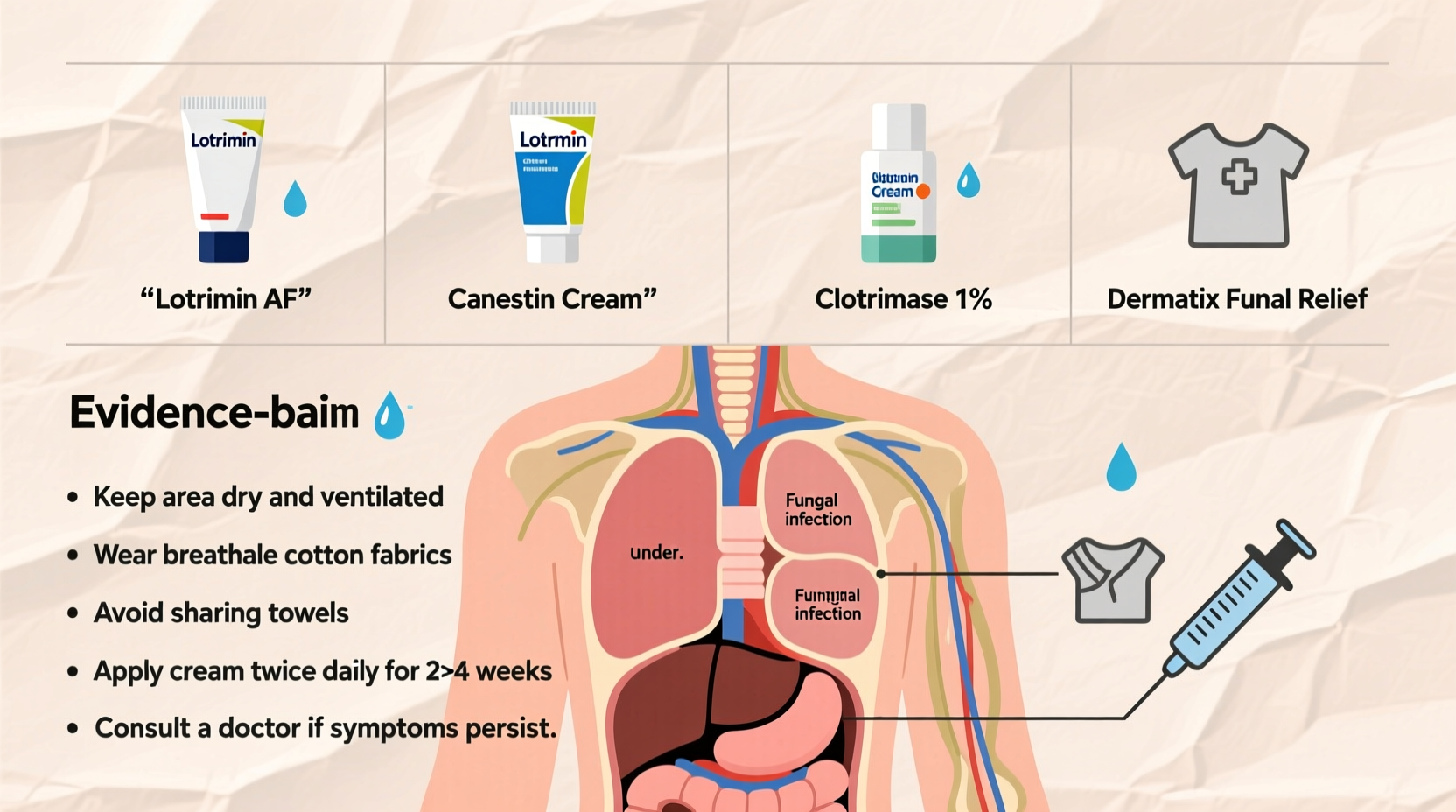
The area beneath the breasts creates a warm, moist environment ideal for fungi like Candida albicans and dermatophytes to thrive. This combination of heat, friction, and limited airflow promotes microbial growth. Symptoms typically include:
- Red or pink rash with defined edges
- Itching, stinging, or burning sensation
- Skin breakdown or small pustules around the rash
- Scaling or peeling skin over time
Left untreated, the infection can worsen, leading to secondary bacterial infections or chronic skin irritation. Women with larger busts, those who are overweight, or individuals with diabetes are at higher risk due to increased skin contact and moisture retention.
“Fungal infections in skin folds are often underestimated but require consistent treatment and lifestyle adjustments to fully resolve.” — Dr. Lena Patel, Board-Certified Dermatologist
Top Antifungal Creams for Under-Breast Infections
Not all antifungal creams are equally effective for intertriginous (skin fold) areas. The best products combine strong antifungal agents with properties that reduce inflammation and support healing in sensitive zones. Below is a comparison of widely used and clinically recommended topical treatments.
| Cream Name | Active Ingredient | Effectiveness | Notes |
|---|---|---|---|
| Clotrimazole (Lotrimin) | Clotrimazole 1% | High – targets Candida and dermatophytes | Available over-the-counter; apply twice daily for 2–4 weeks |
| Miconazole (Micatin) | Miconazole 2% | High – broad-spectrum antifungal | Also helps prevent secondary yeast overgrowth; safe for sensitive skin |
| Ketoconazole (Nizoral Cream) | Ketoconazole 2% | Very High – effective against resistant strains | Often prescribed; may require medical consultation |
| Terbinafine (Lamisil) | Terbinafine 1% | Moderate to High – better for ringworm-type fungi | Less effective on Candida; use only if diagnosis confirms dermatophyte |
| Nystatin Cream | Nystatin | Moderate – specific to yeast | Prescription-only; ideal for pure Candida cases |
For most people, clotrimazole or miconazole creams are excellent starting points. They’re accessible without a prescription, affordable, and proven effective in clinical settings. Ketoconazole offers stronger action for persistent or recurring infections but should be used under medical supervision.
Tip: Always dry the skin thoroughly before applying any antifungal cream. Use a clean cotton pad or soft towel to gently pat the area—avoid rubbing, which can irritate inflamed skin.Step-by-Step Treatment Plan
Effective treatment goes beyond just applying cream. A structured approach ensures faster healing and reduces the chance of recurrence.
- Cleanse Gently: Wash the affected area once or twice daily with mild, fragrance-free soap and lukewarm water. Avoid scrubbing.
- Dry Completely: After washing, pat dry with a soft towel. Consider using a cool blow dryer on a low setting to ensure no residual moisture remains.
- Apply Antifungal Cream: Apply a thin layer of your chosen antifungal cream twice daily for at least two weeks, even after symptoms improve.
- Use a Barrier Powder: During the day, dust the area with an antifungal powder like clotrimazole powder or Zeasorb-AF to absorb moisture and prevent regrowth.
- Wear Breathable Clothing: Choose loose-fitting, cotton-lined bras and tops that allow air circulation and wick away sweat.
- Monitor Progress: If there's no improvement within 7–10 days, consult a healthcare provider—your infection may require oral medication or a different diagnosis.
Prevention Tips and Lifestyle Adjustments
Preventing recurrence is often more challenging than treating the initial infection. Daily habits play a crucial role in maintaining dry, healthy skin beneath the breasts.
- Shower after sweating: Exercise, hot weather, or physical labor increases moisture buildup. Rinse off promptly and dry thoroughly.
- Avoid synthetic fabrics: Nylon, polyester, and non-breathable materials trap heat and sweat. Opt for moisture-wicking fabrics.
- Change bras frequently: Rotate bras daily and wash them in hot water to eliminate fungal spores.
- Use antiperspirant carefully: Some people benefit from hypoallergenic, antifungal under-breast sprays or powders, but avoid alcohol-based products that can sting broken skin.
- Manage underlying conditions: Keep blood sugar levels controlled if you have diabetes, as high glucose feeds yeast growth.
Mini Case Study: Resolving Recurrent Infection
Sarah, a 38-year-old nurse working 12-hour shifts, experienced recurring rashes under her breasts for over a year. She tried various over-the-counter creams with temporary relief. After consulting a dermatologist, she was diagnosed with chronic candidal intertrigo exacerbated by prolonged wear of tight uniforms and lack of thorough drying after perspiring.
Her treatment plan included:
- Daily cleansing with Cetaphil cleanser
- Application of ketoconazole cream twice daily
- Use of clotrimazole powder each morning
- Switching to seamless, breathable nursing bras
Within three weeks, her symptoms resolved completely. By continuing preventive measures, she remained symptom-free for over nine months. Her case underscores the importance of combining medical treatment with environmental control.
Checklist: Managing Fungal Infection Under the Breast
Follow this checklist daily during treatment and periodically for prevention:
- ✅ Cleanse the area gently with mild soap
- ✅ Dry thoroughly—use a blow dryer on cool if needed
- ✅ Apply antifungal cream as directed
- ✅ Dust with antifungal powder during the day
- ✅ Wear loose, breathable clothing
- ✅ Change and wash bras every day
- ✅ Avoid scratching or using scented lotions
- ✅ Reassess after one week—if no improvement, see a doctor
Frequently Asked Questions
Can I use athlete’s foot cream for under-breast fungus?
Yes, many athlete’s foot creams contain active ingredients like miconazole or terbinafine that are also effective against fungal skin infections elsewhere. However, the skin under the breasts is more sensitive, so avoid formulations with harsh additives or strong fragrances. Test on a small area first.
How long does it take for antifungal cream to work?
Most people notice improvement within 3 to 5 days. Complete healing usually takes 2 to 4 weeks. Continue using the cream for at least one week after symptoms disappear to prevent relapse.
Is it safe to use antifungal cream while pregnant?
Topical antifungals like clotrimazole and miconazole are generally considered safe during pregnancy, especially when used as directed. However, always consult your healthcare provider before starting any treatment while pregnant or breastfeeding.
Conclusion: Take Control of Your Skin Health
Fungal infections under the breast are uncomfortable but entirely manageable with the right care. Choosing an effective antifungal cream—such as clotrimazole, miconazole, or ketoconazole—and pairing it with smart hygiene habits can clear the infection and prevent it from returning. Healing isn’t just about applying a cream—it’s about creating an environment where fungi can’t thrive. Stay dry, stay clean, and listen to your body. With consistency and attention, you can maintain healthy, irritation-free skin.
💬 Have a tip or experience to share? Join the conversation below and help others find relief from under-breast fungal infections.








