Knee injuries are among the most common musculoskeletal issues, affecting athletes, active individuals, and even those with sedentary lifestyles. Whether it's a sprained ligament, torn meniscus, or patellar tendinitis, recovery time varies significantly based on the type and severity of the injury. Understanding the biological processes behind healing, the variables that influence recovery duration, and the strategies that promote tissue repair can empower individuals to make informed decisions during rehabilitation.
Healing is not a one-size-fits-all process. While some minor strains resolve within days, more serious injuries like an ACL tear may require months—or even surgery—followed by extensive physical therapy. The key to a successful recovery lies in early diagnosis, appropriate treatment, and consistent adherence to rehabilitation protocols.
Types of Knee Injuries and Typical Healing Timelines
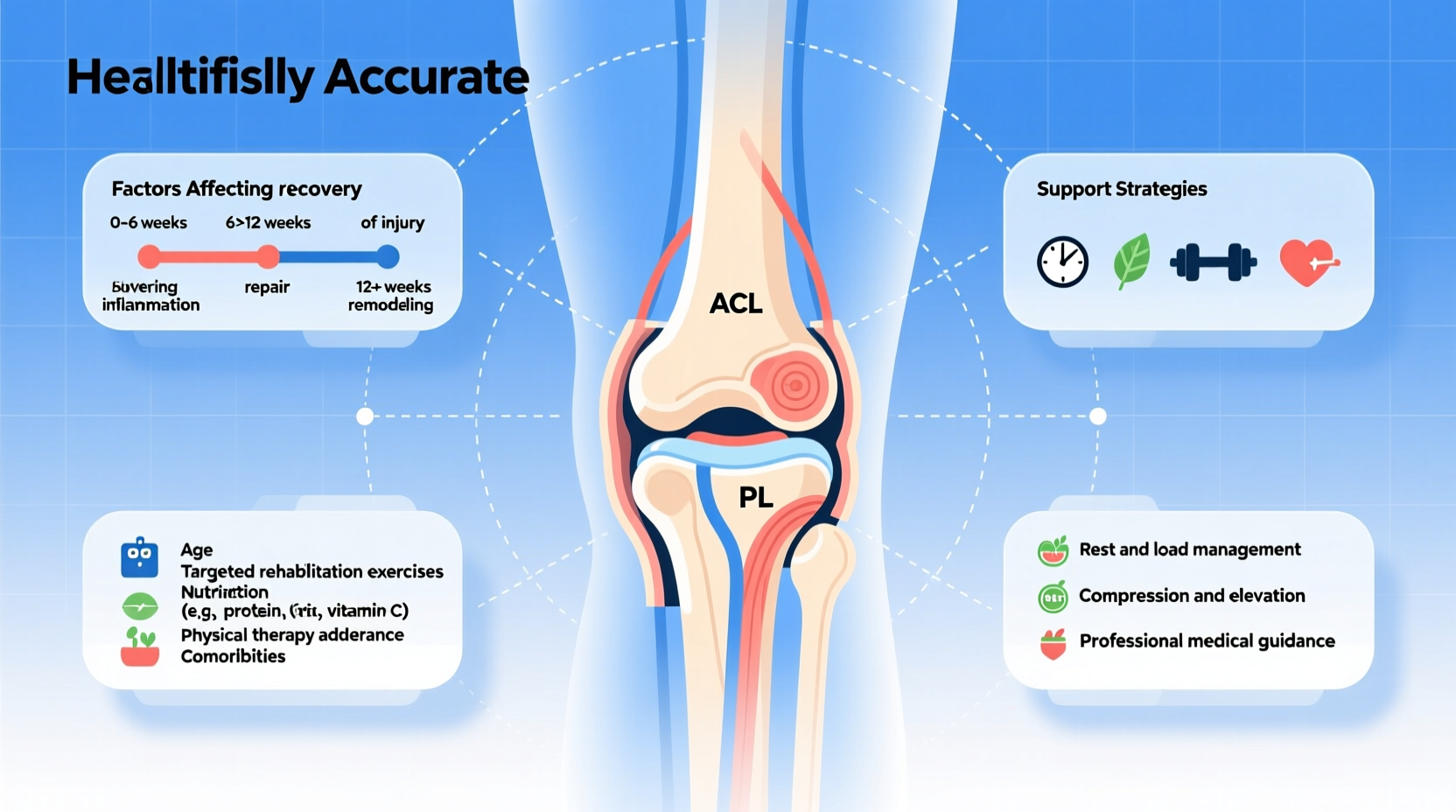
The knee is a complex joint composed of bones, ligaments, tendons, cartilage, and muscles. Injuries can affect any of these structures, each with distinct recovery expectations:
| Injury Type | Description | Typical Healing Time |
|---|---|---|
| Minor Sprain (Grade I) | Microtears in ligaments (e.g., MCL) | 2–4 weeks |
| Moderate Sprain (Grade II) | Partial ligament tear | 4–8 weeks |
| Severe Tear (Grade III) | Complete ligament rupture (e.g., ACL) | 6–12 months (with surgery) |
| Meniscus Tear | Cartilage damage; may require arthroscopy | 3–6 months |
| Patellar Tendinitis | Overuse inflammation (\"jumper’s knee\") | 6 weeks–6 months |
| Fracture | Bone break around the knee joint | 3–6 months |
These timelines are general estimates. Individual outcomes depend heavily on age, health status, treatment approach, and compliance with rehab routines.
Key Factors That Influence Recovery Speed
No two recoveries are identical. Several internal and external factors determine how quickly the knee heals:
- Age: Younger individuals typically heal faster due to higher cellular regeneration rates.
- Nutrition: Adequate protein, vitamin C, zinc, and collagen support tissue repair.
- Overall Health: Conditions like diabetes or obesity can impair circulation and delay healing.
- Severity and Location: Blood supply varies across knee structures—meniscus tears in the \"white zone\" (poor vascularization) heal slower than those near the capsule.
- Treatment Method: Conservative management (rest, PT) vs. surgical intervention alters recovery trajectory.
- Compliance: Skipping rehab exercises or returning to activity too soon increases re-injury risk.
“Recovery isn’t just about time—it’s about what you do with that time. Active participation in rehab often determines long-term outcomes.” — Dr. Lena Torres, Sports Medicine PhysicianTip: Track your progress weekly with pain levels, range of motion, and functional milestones to stay motivated and identify setbacks early.
Science-Backed Strategies to Support Knee Healing
While time is essential, proactive steps can optimize the body’s natural healing mechanisms. These evidence-based approaches help reduce inflammation, stimulate tissue regeneration, and restore function:
- Follow the R.I.C.E. Protocol Early On: Rest, Ice, Compression, and Elevation remain foundational in the first 48–72 hours post-injury to minimize swelling.
- Engage in Targeted Physical Therapy: A licensed therapist designs exercises to rebuild strength, improve proprioception, and correct movement imbalances.
- Optimize Nutrition: Increase intake of anti-inflammatory foods (omega-3s, leafy greens), lean proteins, and hydration to fuel repair.
- Use Modalities When Appropriate: Ultrasound, electrical stimulation, or laser therapy may accelerate soft tissue healing under professional guidance.
- Avoid Immobilization Beyond Necessity: Prolonged rest leads to muscle atrophy and joint stiffness. Controlled movement supports circulation and tissue remodeling.
Real Example: Recovery from a Meniscus Tear
Mark, a 45-year-old recreational runner, experienced sharp pain and swelling after twisting his knee during a trail run. An MRI confirmed a moderate medial meniscus tear. His orthopedist recommended arthroscopic repair followed by structured rehab.
Instead of rushing back to running, Mark committed to daily PT sessions, focused on quad strengthening and balance drills. He incorporated turmeric into his diet for its anti-inflammatory properties and used a compression sleeve during walks. By week 10, he regained full range of motion and began low-impact cycling. At month 4, he resumed jogging—pain-free. His disciplined approach prevented complications and avoided prolonged disability.
Step-by-Step Rehabilitation Timeline (ACL Post-Surgery Example)
For illustrative purposes, here’s a realistic 9-month recovery path following ACL reconstruction:
- Weeks 0–2: Focus on reducing swelling, achieving full extension, and initiating gentle quad activation. Use crutches as needed.
- Weeks 3–6: Begin weight-bearing exercises, stationary biking, and closed-chain movements (e.g., mini-squats).
- Months 2–3: Progress to lunges, step-ups, and neuromuscular training. Gait normalization is a key goal.
- Months 4–6: Introduce agility drills, plyometrics, and sport-specific movements under supervision.
- Months 7–9: Assess readiness for return-to-sport testing (e.g., hop tests, strength symmetry). Gradual reintroduction to competition.
Common Mistakes That Delay Recovery
Even with proper care, certain behaviors can hinder progress:
- Ignoring pain signals and pushing through discomfort
- Skipping prescribed physical therapy sessions
- Returning to sports without clearance or proper conditioning
- Neglecting strength work for surrounding muscles (glutes, hamstrings, quads)
- Failing to address biomechanical issues like flat feet or poor posture
“Many patients think once the pain is gone, they’re healed. But structural integrity and neuromuscular control take much longer to restore.” — James Reed, Orthopedic Physiotherapist
Checklist: Supporting Your Knee Injury Recovery
Use this actionable checklist to stay on track during rehabilitation:
- ✔️ Get a proper diagnosis via imaging (MRI, X-ray) if symptoms persist beyond 48 hours
- ✔️ Work with a physical therapist to develop a personalized plan
- ✔️ Perform prescribed exercises daily—even when pain improves
- ✔️ Maintain a balanced diet rich in protein and micronutrients
- ✔️ Monitor swelling and adjust activity accordingly
- ✔️ Wear supportive footwear and consider bracing during early recovery
- ✔️ Attend all follow-up appointments with your healthcare provider
- ✔️ Gradually reintroduce activities only after functional benchmarks are met
Frequently Asked Questions
Can a knee injury heal on its own without surgery?
Yes, many mild to moderate injuries—such as Grade I-II sprains or small meniscal tears—can heal conservatively with rest, physical therapy, and time. However, complete ligament ruptures (like ACL tears) often require surgical intervention for active individuals seeking full function.
How do I know if my knee is healing properly?
Signs of proper healing include reduced pain and swelling, improved range of motion, increased strength, and ability to bear weight without instability. Consistent progress over weeks—not sudden changes—is the best indicator.
Is walking good for a knee injury?
Controlled, low-impact walking can be beneficial once acute inflammation subsides, as it promotes circulation and joint lubrication. However, excessive or painful walking may worsen the condition. Use assistive devices if needed and consult your therapist before starting.
Take Control of Your Recovery Journey
Understanding knee injury healing times is more than memorizing timelines—it’s about recognizing the interplay between biology, behavior, and medical care. While nature sets the pace of tissue repair, your actions determine the quality of the outcome. Patience, consistency, and informed decision-making are your greatest allies.
Whether you're recovering from a weekend sports mishap or navigating post-surgical rehab, every small effort compounds into meaningful progress. Listen to your body, trust the process, and collaborate closely with your healthcare team. The road back to mobility and strength begins with a single, intentional step.
💬 Have questions about your knee recovery or want to share your experience? Join the conversation below—we’d love to hear your story and help others learn from it.








