Oxygen is essential for life. It fuels every cell in the human body, enabling energy production and sustaining vital functions. However, like many things in biology, balance is critical. While oxygen deprivation is dangerous, too much oxygen can be just as harmful. Known as oxygen toxicity, this condition arises when tissues are exposed to excessive oxygen levels over time, leading to oxidative stress, cellular damage, and potentially life-threatening complications. This article explores the science behind oxygen toxicity, identifies at-risk populations, outlines symptoms, and provides practical guidance on prevention and management.
Understanding Oxygen Toxicity: The Science Behind the Danger
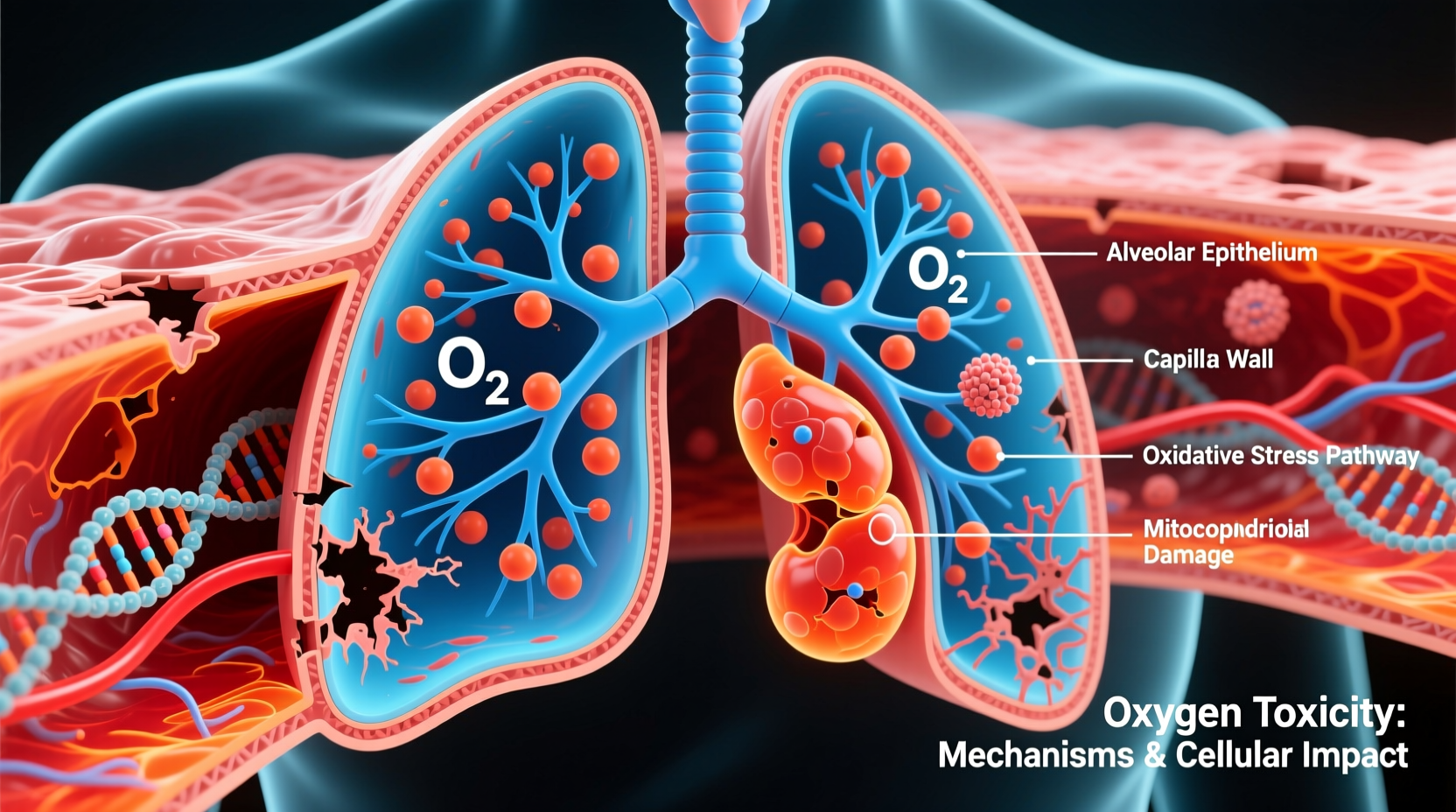
The human body evolved to function with approximately 21% oxygen in the atmosphere. At this concentration, oxygen is safely transported through the bloodstream and used efficiently in mitochondria to produce adenosine triphosphate (ATP), the primary energy currency of cells. However, when oxygen levels rise significantly—especially under high pressure or prolonged exposure—the body’s antioxidant defenses can be overwhelmed.
Excess oxygen leads to the overproduction of reactive oxygen species (ROS), such as superoxide radicals and hydrogen peroxide. These molecules are highly reactive and can damage lipids in cell membranes, proteins, and DNA. Normally, enzymes like superoxide dismutase and catalase neutralize ROS. But when oxygen intake exceeds metabolic needs, these systems become saturated, resulting in oxidative stress.
Oxidative stress triggers inflammation, impairs cellular function, and may contribute to organ failure. The lungs and central nervous system are particularly vulnerable due to their high oxygen exposure and metabolic activity.
“Oxygen is a double-edged sword. While it sustains life, uncontrolled administration can cause significant harm, especially in critically ill patients.” — Dr. Alan Weiss, Pulmonary Specialist, Johns Hopkins Medicine
Symptoms and Effects of Oxygen Toxicity by System
Oxygen toxicity manifests differently depending on the duration and concentration of exposure. There are two primary forms: central nervous system (CNS) toxicity and pulmonary toxicity.
Central Nervous System Toxicity
This form typically occurs during hyperbaric oxygen therapy or deep-sea diving, where oxygen is delivered under pressure. Symptoms can appear suddenly and include:
- Visual disturbances (tunnel vision)
- Tinnitus (ringing in the ears)
- Nausea and twitching, especially around the mouth
- Dizziness and irritability
- Seizures (the most severe manifestation)
CNS toxicity is unpredictable and can occur without warning. Seizures underwater, for example, pose a drowning risk, making careful monitoring essential in diving scenarios.
Pulmonary (Lung) Toxicity
More common in hospital settings, pulmonary toxicity develops after prolonged exposure to high-concentration oxygen (typically above 50% for more than 24–48 hours). Symptoms progress gradually and include:
- Dry cough and throat irritation
- Chest pain or burning sensation during inhalation
- Shortness of breath even at rest
- Decreased lung compliance and reduced gas exchange efficiency
- In severe cases, acute respiratory distress syndrome (ARDS)
Lung damage from oxygen toxicity resembles inflammatory injury and can delay recovery in patients already struggling with respiratory conditions.
Tip: In clinical settings, always monitor arterial blood gases and titrate oxygen to maintain SpO₂ between 94–98% unless otherwise directed.Who Is at Risk? High-Risk Groups and Situations
While anyone can experience oxygen toxicity under extreme conditions, certain individuals and environments increase the likelihood:
| Group/Situation | Risk Factors | Prevention Strategy |
|---|---|---|
| Preterm infants | Underdeveloped antioxidant systems; high O₂ sensitivity | Strict oxygen monitoring; target SpO₂ 90–94% |
| Patients on mechanical ventilation | Prolonged exposure to high FiO₂ (fraction of inspired oxygen) | Use lowest effective oxygen concentration |
| Scuba and technical divers | Breathing compressed oxygen at depth increases partial pressure | Follow dive tables and use nitrox mixtures cautiously |
| Hyperbaric oxygen therapy patients | 100% oxygen at 2–3 times atmospheric pressure | Controlled sessions with air breaks |
| Chronic obstructive pulmonary disease (COPD) patients | May rely on hypoxic drive to breathe; excess O₂ can suppress respiration | Low-flow oxygen (1–2 L/min) with close monitoring |
Real-World Example: A Case of Oxygen Mismanagement
In a documented ICU case, a 68-year-old male with pneumonia was placed on high-flow nasal cannula delivering 70% oxygen. Over the next 72 hours, his oxygen saturation remained above 98%, but he developed increasing dyspnea, bilateral crackles on auscultation, and worsening hypoxemia. A chest X-ray revealed diffuse infiltrates consistent with non-cardiogenic pulmonary edema. The diagnosis: oxygen toxicity contributing to early ARDS.
After reducing the FiO₂ to 40% and initiating protective lung ventilation strategies, the patient gradually improved. This case underscores the danger of assuming “more oxygen is better” without assessing actual need and response.
Preventing Oxygen Toxicity: A Step-by-Step Guide
Whether in medical care or recreational diving, preventing oxygen toxicity requires vigilance and protocol adherence. Follow this timeline-based approach:
- Assess baseline needs: Determine if supplemental oxygen is truly necessary using pulse oximetry or arterial blood gas analysis.
- Set appropriate targets: For most adults, aim for SpO₂ of 94–98%. For COPD patients, target 88–92%.
- Choose delivery method wisely: Use nasal cannula, venturi masks, or low-flow systems when possible to avoid unnecessarily high concentrations.
- Monitor continuously: Reassess oxygen saturation and clinical status every 1–2 hours during high-flow therapy.
- Titrate down promptly: Reduce oxygen levels as soon as the patient stabilizes to minimize exposure.
- Educate patients and caregivers: Explain that oxygen is a medication—not a cure-all—and misuse carries risks.
Frequently Asked Questions
Can breathing pure oxygen ever be safe?
Yes, but only under controlled conditions and for limited durations. Hyperbaric oxygen therapy uses 100% oxygen at elevated pressures to treat conditions like carbon monoxide poisoning or non-healing wounds. Sessions are strictly timed (usually 60–90 minutes) and include air breaks to reduce toxicity risk.
Is oxygen toxicity reversible?
In most cases, yes—especially if caught early. Pulmonary symptoms often resolve within days to weeks after reducing oxygen exposure. However, prolonged or severe toxicity may lead to permanent lung damage or neurological sequelae, particularly if seizures occurred.
Do healthy people need to worry about oxygen toxicity?
Not under normal circumstances. Breathing ambient air poses no risk. However, those using home oxygen concentrators without medical supervision or engaging in unsupervised hyperbaric sessions should exercise caution. More oxygen is not “better” for performance or wellness.
Tip: Never self-prescribe oxygen therapy. Even if you feel fatigued, excess oxygen won’t boost energy and could do harm.Conclusion: Respecting the Balance of Oxygen
Oxygen is indispensable—but not infallible. The principle of therapeutic balance applies as much to oxygen as to any drug. Too little leads to hypoxia; too much leads to toxicity. Recognizing the signs, understanding the risks, and applying oxygen judiciously can prevent unnecessary harm in both clinical and recreational contexts.
Healthcare providers must resist the reflex to administer high-flow oxygen without indication. Patients and caregivers should view oxygen as a treatment, not a supplement. By respecting the delicate equilibrium of oxygen in the body, we protect the very systems we aim to support.
💬 Have experience with oxygen therapy or know someone affected by oxygen toxicity? Share your insights below to help others understand this silent but serious condition.








