
In the age of viral skincare routines and 15-second transformation videos, it's easy to fall into the trap of believing every TikTok beauty hack will deliver flawless skin. While some trends are pure fiction—like using toothpaste to dry out pimples or applying lemon juice as a \"natural\" brightener—others have surprising scientific merit. The key is knowing which ones dermatologists actually endorse.
Board-certified dermatologists have begun weighing in on popular TikTok trends, separating myth from method. From ice rolling to double cleansing, several viral techniques align with clinical skincare principles. This article explores the TikTok beauty hacks that not only gained millions of views but also earned the approval of skin experts—because real results matter more than likes.
The Science Behind Viral Skincare: Why Some Hacks Work
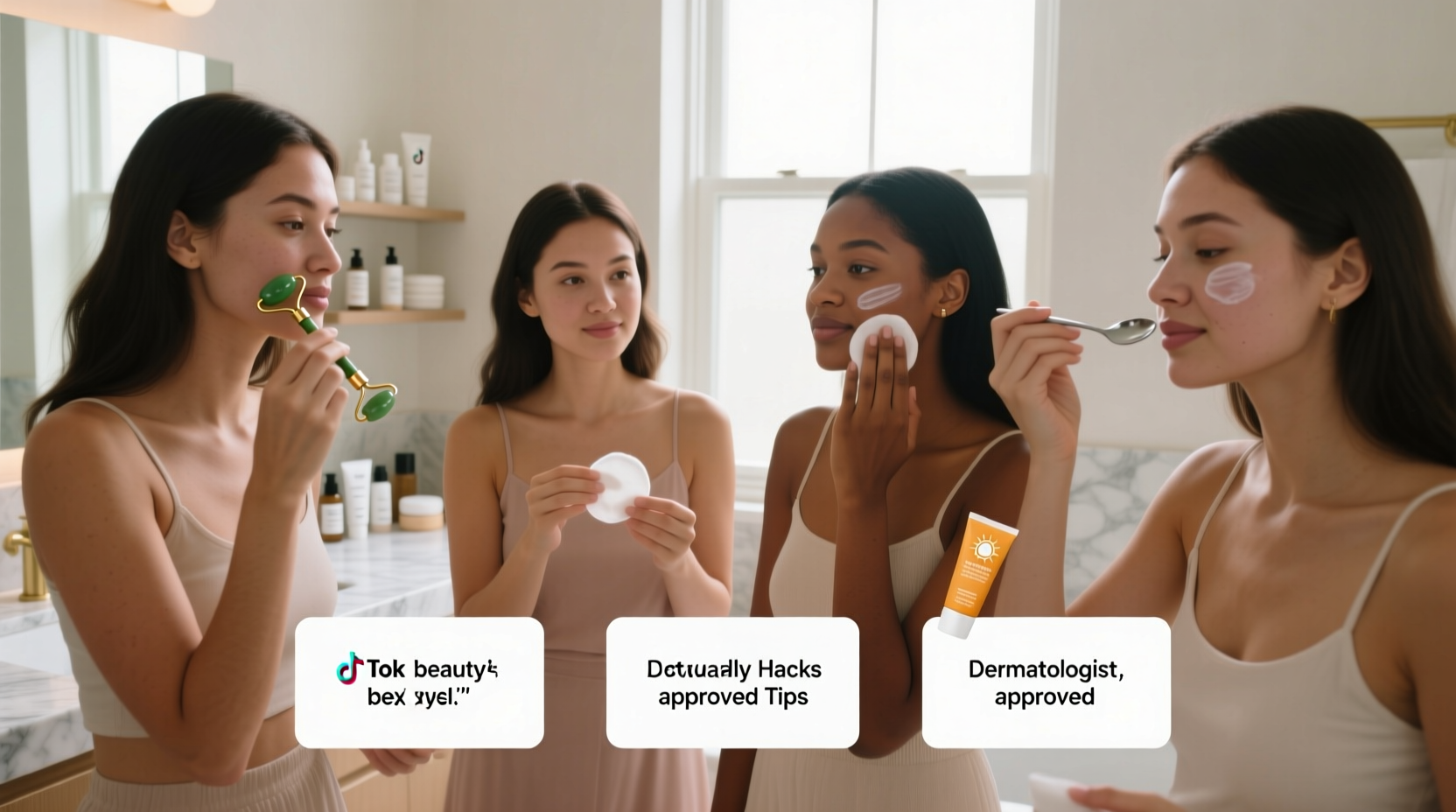
Social media has democratized skincare knowledge, but misinformation spreads just as fast as truth. However, some TikTok creators collaborate with dermatologists or base their routines on established dermatological practices. When a trend resonates with both users and professionals, it often reflects time-tested principles like gentle exfoliation, hydration, and barrier protection.
Dermatologists acknowledge that while not all hacks are suitable for every skin type, certain methods can enhance a well-structured routine when used correctly. For example, facial massage techniques may improve circulation and product absorption, while cold therapy can reduce inflammation. What matters most is consistency, ingredient safety, and understanding your skin’s unique needs.
“Just because something goes viral doesn’t mean it’s effective or safe. But when a trend aligns with dermatology fundamentals—like protecting the skin barrier or using proven actives—it’s worth considering.” — Dr. Lindsey Zubritsky, Board-Certified Dermatologist
Hack #1: Ice Rolling for Depuffing and Soothing Inflammation
Filmed with soft lighting and ASMR-like sounds, ice rolling videos have amassed billions of views. The practice involves gliding an ice roller over cleansed skin for 3–5 minutes, typically in the morning. While it won’t shrink pores permanently or replace medical treatments, dermatologists confirm it offers temporary but legitimate benefits.
Cold temperatures cause vasoconstriction—the narrowing of blood vessels—which reduces swelling and calms redness. This makes ice rolling especially helpful for people with rosacea, post-acne inflammation, or morning puffiness around the eyes.
Tip: Wrap the ice roller in a thin cloth before use to prevent ice burn, and never apply directly to sensitive areas like the eyelids for more than 10 seconds at a time.For best results, store your ice roller in the freezer overnight. Use upward strokes along the jawline, cheeks, and forehead to support lymphatic drainage. Follow with a hydrating serum or moisturizer to lock in the calming effects.
Hack #2: Double Cleansing with Oil-Based First Step
Originating from Korean skincare routines, double cleansing surged in popularity after TikTok creators demonstrated its effectiveness in removing sunscreen, makeup, and sebum. The method involves two steps: first, using an oil-based cleanser (balm, oil, or micellar water), followed by a water-based cleanser (foam or gel).
Dermatologists agree this approach is particularly beneficial for those who wear sunscreen daily or use heavy makeup. Oil dissolves oil—a fundamental principle in chemistry—making it highly effective at breaking down stubborn residues without over-stripping the skin.
“Double cleansing ensures thorough removal of pollutants and SPF, which is essential for preventing clogged pores and breakouts. It’s not overkill; it’s smart hygiene.” — Dr. Hadley King, Clinical Assistant Professor of Dermatology
However, not everyone needs to double cleanse twice a day. Those with dry or sensitive skin may limit it to evenings only, followed by a gentle rinse in the morning.
Step-by-Step Guide to Effective Double Cleansing
- Start with dry hands and dry face. Apply 1–2 pumps of cleansing oil or balm.
- Gently massage over face for 60 seconds, focusing on areas with sunscreen or makeup.
- Rinse with lukewarm water or wipe off with a damp cloth if using a balm.
- Follow immediately with a second cleanser suited to your skin type (e.g., salicylic acid for oily skin, cream cleanser for dry skin).
- Rinse thoroughly and pat dry with a clean towel.
Hack #3: Layering Hyaluronic Acid and Moisturizer on Damp Skin
A widely shared TikTok tip suggests applying hyaluronic acid (HA) to damp skin, then sealing it with a moisturizer. This isn’t just aesthetic—it’s dermatologically sound. Hyaluronic acid is a humectant, meaning it draws moisture from the environment and deeper layers of the skin to the surface.
When applied to wet skin, HA has more water available to bind to, maximizing hydration. Skipping the moisturizer step, however, can backfire. Without an occlusive layer, HA may pull moisture from within the skin in dry environments—a phenomenon known as transepidermal water loss.
| Skin Type | Recommended HA Product | Best Sealant Moisturizer |
|---|---|---|
| Oily/Acne-Prone | Lightweight serum with low concentration (0.5–1%) | Gel-based moisturizer (e.g., with niacinamide) |
| Dry/Dehydrated | Thicker formula with multiple molecular weights of HA | Cream with ceramides or squalane |
| Sensitive | Fragrance-free, minimal ingredient serum | Barrier-repair moisturizer with panthenol |
Hack #4: Using Sunscreen as a Makeup Primer
TikTok users swear by skipping traditional primers and using sunscreen as the base layer under makeup. Dermatologists strongly support this—not because it enhances longevity of foundation, but because it ensures consistent UV protection.
Many people skip sunscreen on days they don’t “do” skincare or wear makeup. By integrating it into the routine as a functional primer, users are more likely to apply adequate amounts daily. Additionally, modern sunscreens are formulated to be cosmetically elegant—non-greasy, fast-absorbing, and compatible with makeup.
Look for broad-spectrum SPF 30 or higher with UVA/UVB protection. Mineral options (zinc oxide, titanium dioxide) are ideal for sensitive or acne-prone skin, while chemical filters offer lighter textures.
Checklist: Choosing a Dermatologist-Approved Sunscreen
- ✅ Broad-spectrum protection (UVA & UVB)
- ✅ SPF 30 or higher
- ✅ Non-comedogenic (won’t clog pores)
- ✅ Fragrance-free (especially for sensitive skin)
- ✅ Water-resistant if sweating or swimming
- ✅ Applied in sufficient quantity (1/4 tsp for face)
“The best sunscreen is the one you’ll use every single day. If wearing it under makeup encourages consistency, that’s a win for skin health.” — Dr. Ranella Hirsch, Former President of the American Society for Dermatologic Surgery
Hack #5: Facial Gua Sha for Lymphatic Drainage
Gua sha, an ancient Chinese technique involving scraping the skin with a flat tool, has been rebranded on TikTok as a quick fix for sculpted cheekbones and reduced puffiness. While it won’t replace fillers or facelifts, dermatologists say it can provide short-term decongestion when performed correctly.
The pressure from the tool stimulates superficial circulation and supports lymphatic flow, helping to drain excess fluid trapped in facial tissues. Results are subtle and temporary—lasting a few hours—but regular use may contribute to improved skin tone and texture over time.
Use with a facial oil or serum to prevent tugging. Follow upward and outward motions along natural muscle lines: from the center of the face toward the ears, under the jawline, and across the brow bone.
Mini Case Study: Reducing Morning Puffiness with Gua Sha
Emily, a 32-year-old graphic designer from Portland, struggled with persistent under-eye puffiness due to allergies and screen fatigue. After seeing a dermatologist-approved gua sha tutorial, she incorporated a 5-minute routine into her morning skincare regimen.
Using a jade roller and rosehip oil, she gently massaged her orbital area and jawline daily for three weeks. She reported noticeable reduction in morning swelling and smoother makeup application. Her dermatologist confirmed no adverse effects and noted improved microcirculation during a follow-up visit.
While gua sha didn’t eliminate her allergy symptoms, it became a valuable self-care ritual that complemented her medical treatment.
Hacks That Don’t Work (and May Harm Your Skin)
Not all viral trends earn dermatological approval. Some can cause irritation, hyperpigmentation, or long-term damage. Here are common TikTok hacks experts strongly advise against:
- Lemon Juice as Brightener: Highly acidic and phototoxic—increases sun sensitivity and risk of burns.
- Toothpaste on Zits: Contains irritants like menthol and baking soda that worsen inflammation.
- Baking Soda Scrubs: Disrupts skin pH and damages the protective barrier.
- Nail Files for Calluses: Too abrasive for delicate foot skin; increases infection risk.
- Vaseline on Acne: Occlusive and comedogenic—can clog pores and trigger breakouts.
FAQ: Dermatologist-Reviewed Beauty Questions
Can I use ice rolling every day?
Yes, daily ice rolling is generally safe for most skin types, especially when done for short durations (2–5 minutes). Avoid if you have severe rosacea or broken capillaries. Always use a clean roller and avoid direct ice contact.
Is double cleansing necessary if I don’t wear makeup?
If you apply sunscreen or live in a polluted urban area, yes. Sunscreen and environmental grime require proper emulsification and removal. On low-exposure days, a single gentle cleanser may suffice.
Does hyaluronic acid cause acne?
No, hyaluronic acid itself is non-comedogenic and suitable for acne-prone skin. However, some formulations include pore-clogging ingredients like silicones or oils. Choose lightweight, water-based serums labeled “oil-free” and “non-comedogenic.”
Conclusion: Smart Beauty Starts with Science
The allure of TikTok beauty hacks lies in their simplicity and accessibility. But true skincare transformation comes not from shortcuts, but from informed choices grounded in science. The hacks that endure—ice rolling, double cleansing, damp-skin hydration, sunscreen priming, and gua sha—are effective not because they’re trendy, but because they align with dermatological principles: protect, cleanse, hydrate, and soothe.
Before trying any new trend, ask: Does this support my skin’s natural function? Is there evidence behind it? Could it cause harm? When in doubt, consult a board-certified dermatologist. Your skin deserves more than virality—it deserves lasting care.
💬 Have a TikTok beauty hack that worked for you? Share your experience in the comments and help others separate fact from fiction.








