
Traveling disrupts routines, but oral hygiene shouldn’t be one of them. A clean toothbrush is essential for maintaining fresh breath, healthy gums, and cavity prevention. Yet, how many travelers consider the risks of improper toothbrush storage? Moist environments breed bacteria, shared bathrooms expose brushes to airborne pathogens, and compact toiletry bags often turn into germ incubators. The solution isn’t just about remembering your brush—it’s about protecting it from contamination before, during, and after use.
This guide breaks down science-backed strategies to pack your toothbrush with precision, ensuring it remains as clean when you arrive as it was when you left home. From material selection to post-use drying techniques, every step counts in preserving both hygiene and longevity.
Why Toothbrush Hygiene Matters During Travel
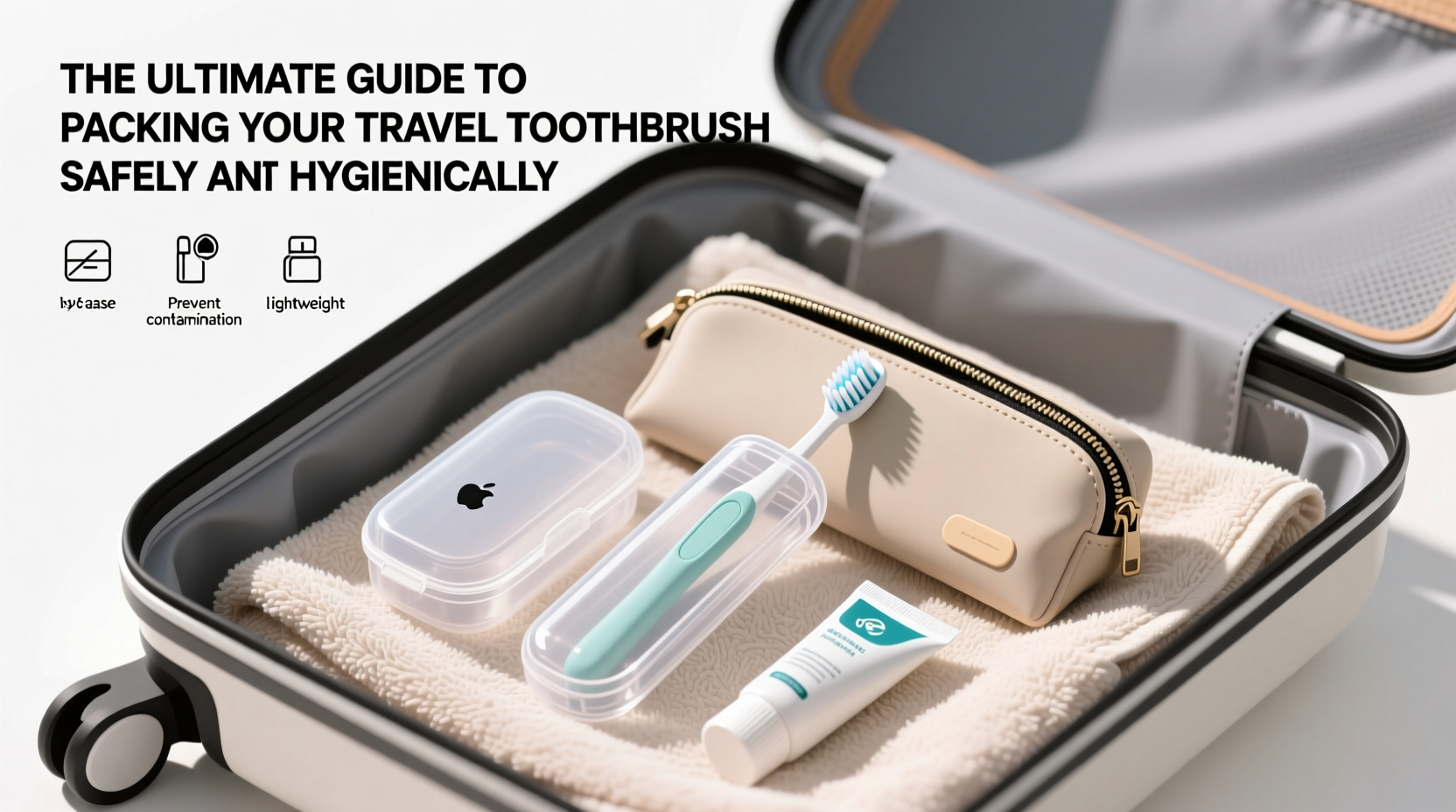
The average toothbrush can harbor over 10 million bacteria, including E. coli and staphylococci, especially when stored improperly. In shared accommodations or humid climates, the risk multiplies. Flushing a toilet without closing the lid releases microscopic droplets—known as “toilet plume”—that can settle on nearby surfaces, including open toothbrushes.
Dr. Lena Patel, a clinical microbiologist at the Global Oral Health Institute, explains:
“A toothbrush stored within six feet of a toilet can become contaminated with fecal matter after just one flush. This is particularly dangerous when traveling, where immune systems may already be stressed by changes in diet, sleep, and environment.”
Additionally, synthetic bristles retain moisture longer than natural fibers, creating an ideal breeding ground for mold and yeast. Without proper ventilation, a toothbrush case becomes a petri dish. Ensuring safe packing practices minimizes exposure and supports consistent dental care—even on the road.
Choosing the Right Travel Toothbrush and Case
Not all travel toothbrushes are created equal. While compact designs save space, they must also prioritize airflow and protection. Consider these factors:
- Bristle Type: Soft nylon bristles are effective yet gentle. Avoid hard bristles that wear down enamel and trap more debris.
- Handle Design: Look for antimicrobial-coated handles or those made from recyclable plastics with smooth finishes that resist biofilm buildup.
- Closed vs. Ventilated Cases: Traditional snap-on caps seal in moisture. Opt instead for cases with mesh panels, air vents, or open-ended designs that promote drying.
- Folding Models: These protect bristles during transit but ensure the hinge mechanism doesn’t trap water internally.
Material Comparison: Common Travel Toothbrush Types
| Type | Hygiene Pros | Hygiene Cons | Drying Time (Avg.) |
|---|---|---|---|
| Plastic folding brush | Compact, bristle protection | Poor airflow; trapped moisture | 12–18 hours |
| Silicone-headed disposable | Antimicrobial surface, single-use | Less effective cleaning power | 6–8 hours |
| Bamboo with vented case | Natural antibacterial properties, eco-friendly | Handle may degrade if wet long-term | 8–10 hours |
| Electric head (travel-sized) | Superior plaque removal | Requires separate cap; charging logistics | 10–14 hours |
Step-by-Step: How to Pack Your Toothbrush Safely
Follow this sequence to minimize contamination risk from departure to destination:
- Clean Before Packing: Wash your hands, then rinse the brush under hot water and mild soap. Shake off excess moisture.
- Air-Dry Completely: Store upright in a well-ventilated area for at least 4 hours. Never pack a damp brush.
- Select a Breathable Case: Use a case with perforations or a half-vented design. Avoid sealing the bristles in plastic.
- Position Bristles Up: Place the brush so bristles face upward��this prevents pooling and allows airflow.
- Isolate from Other Items: Keep the toothbrush away from soaps, razors, or dirty laundry inside your toiletry bag.
- Use a Secondary Barrier: For extra protection, wrap the head in a breathable cloth or paper towel before placing it in the case.
Real-World Scenario: Avoiding Disaster in Hostel Bathrooms
Maya, a digital nomad traveling through Southeast Asia, packed her regular toothbrush in a sealed plastic case. After three days, she noticed a faint musty odor and slight discoloration at the base of the bristles. Despite brushing twice daily, she developed minor gum irritation. Upon returning home, a lab test revealed traces of Aspergillus niger—a common mold linked to respiratory issues.
The culprit? Her toothbrush remained sealed in a non-vented case, exposed to steam from daily showers, and stored directly on a sink counter next to a frequently flushed toilet. By switching to a bamboo brush with a mesh travel sleeve and adopting a routine of rinsing and air-drying between uses, Maya eliminated recurring issues on future trips.
This case underscores a critical truth: convenience should never override hygiene. Small adjustments yield significant health benefits.
Best Practices During Extended Trips
For journeys lasting more than a week, additional precautions are necessary:
- Replace Regularly: Dentists recommend changing your toothbrush every 3–4 weeks. On long trips, bring replacements or use disposable heads.
- Sanitize When Possible: Soak the bristles in antiseptic mouthwash for 5 minutes weekly, then rinse and dry thoroughly.
- Avoid Sink Contact: Never place your brush directly on public sink surfaces. Use a foldable silicone stand or hang it with a hook-style case.
- Carry a Mini Brushing Kit: Include a small bottle of mouthwash, biodegradable toothpaste tablets, and a microfiber drying cloth.
Travel Toothbrush Care Checklist
- ☑ Clean and dry brush fully before packing
- ☑ Use a ventilated, non-sealed case
- ☑ Store separately from other toiletries
- ☑ Position bristles upward in case
- ☑ Replace brush every 3–4 weeks or if damaged
- ☑ Sanitize weekly with mouthwash soak
- ☑ Avoid contact with public sink surfaces
Frequently Asked Questions
Can I use a UV sanitizer for my travel toothbrush?
Yes, portable UV sanitizers effectively reduce bacterial load by up to 99.9%. However, they don’t replace physical cleaning. Always rinse your brush before using the device, and allow it to dry afterward. Note: UV light does not penetrate deep into bristle bases, so it complements—but doesn’t substitute—for proper drying.
Is it safe to pack a wet toothbrush if I’ll use it soon?
No. Even short-term moisture retention encourages microbial growth. If you must pack immediately after brushing, blot the head gently with a clean tissue and store it in a breathable pouch. Ideally, wait until it’s fully dry.
What’s better: a disposable toothbrush or reusable travel model?
Both have merit. Disposable brushes eliminate cross-trip contamination and are convenient for flights. Reusable models are more sustainable and often higher quality. Choose disposables for high-risk environments (e.g., hostels); opt for ventilated reusables for moderate travel.
Final Thoughts: Make Hygiene Part of Your Routine
Packing a toothbrush might seem trivial, but its impact on health is anything but. Every time you protect your brush from moisture and contamination, you’re investing in stronger immunity, fresher breath, and fewer dental emergencies abroad. The habits you build now will serve you whether you're backpacking through humid jungles or staying in luxury hotels.
💬 Ready to upgrade your travel hygiene game? Start today by replacing your sealed case with a ventilated one—and share your best travel toothbrush tip in the comments below.








