
When searching for a satisfying yet low-calorie starch, many health-conscious eaters turn to potatoes—often unfairly maligned as carbohydrate-heavy. In reality, not all potatoes are created equal. Among the dozens of cultivated varieties, one stands out for its notably lower caloric density: the **Yukon Gold**. While all potatoes are naturally low in fat and rich in essential nutrients like potassium and vitamin C, Yukon Golds offer a favorable balance of flavor, texture, and energy content that makes them ideal for calorie-aware diets. Understanding which potato delivers the most nutrition per bite—and why—can transform the way you approach meal planning, side dishes, and even weight management.
Contrary to popular belief, the difference in calories between potato types isn’t dramatic, but it’s measurable and meaningful when consistency matters. More importantly, the choice of potato affects satiety, glycemic response, and culinary versatility—all of which influence long-term dietary success. This guide examines the science behind potato calories, identifies the lowest-calorie variety, and provides actionable strategies for incorporating it into balanced meals.
Definition & Overview
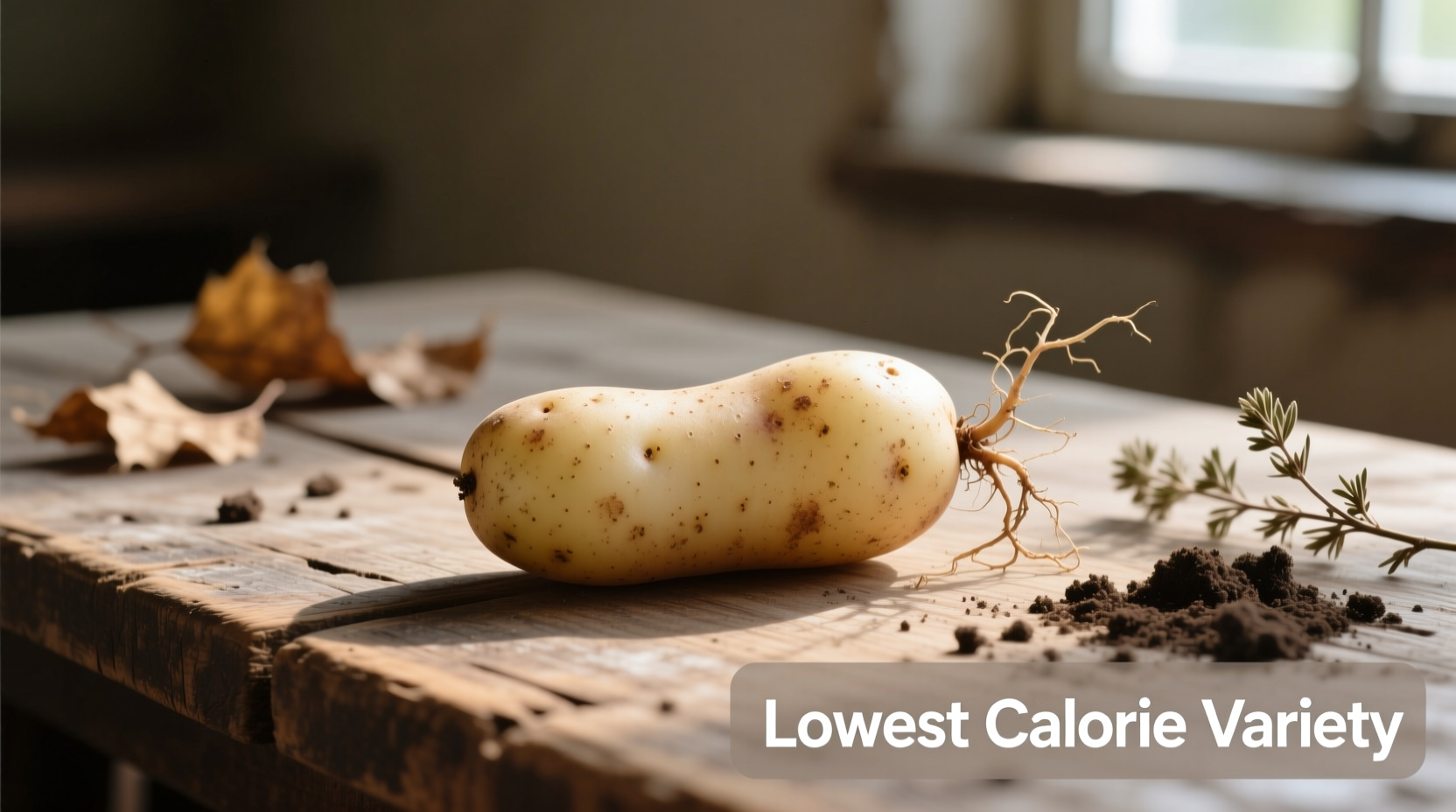
Potatoes (Solanum tuberosum) are starchy tubers native to the Andes Mountains of South America, domesticated over 7,000 years ago. Today, they are a global staple, second only to rice and wheat in worldwide consumption among crops. Despite their ubiquity, potatoes are often misunderstood—particularly in nutritional contexts. They are classified botanically as modified underground stems called tubers, not roots, and serve as storage organs for the plant.
Among modern cultivars, **Yukon Gold** emerged in the 1960s through selective breeding at the University of Guelph in Ontario, Canada. It was developed by crossing a North American white potato with a wild yellow-fleshed species from Peru. The result is a medium-sized oval tuber with smooth, thin skin ranging from pale yellow to golden, and creamy, butter-colored flesh. Its natural sweetness, moist texture, and resistance to overcooking make it a favorite among chefs and home cooks alike.
Nutritionally, Yukon Golds contain slightly fewer calories per 100 grams than Russets or red-skinned potatoes, primarily due to differences in water content, starch composition, and dry matter. When prepared without added fats, this small variance becomes significant over time—especially for individuals tracking macronutrients or managing insulin sensitivity.
Key Characteristics
| Attribute | Description |
|---|---|
| Calories (per 100g raw) | 82 kcal |
| Carbohydrates | 18.8 g |
| Dietary Fiber | 2.2 g |
| Protein | 1.9 g |
| Fat | 0.1 g |
| Glycemic Index (GI) | Medium (~65–70) |
| Texture | Creamy, moist, waxy-to-mealy hybrid |
| Flavor Profile | Buttery, subtly sweet, earthy |
| Skin Type | Thin, edible, light golden |
| Shelf Life | 3–5 weeks in cool, dark, ventilated storage |
These characteristics position Yukon Golds uniquely among common table potatoes. Their moderate starch content allows them to hold shape in soups and salads while still mashing smoothly. Unlike high-starch Russets, which absorb more oil and butter during preparation, Yukon Golds require less added fat to achieve a rich mouthfeel—further reducing overall calorie load in cooked dishes.
Why Yukon Gold Has Fewer Calories Than Other Varieties
The caloric difference between potato types stems from three primary factors: water content, starch concentration, and dry matter percentage. Potatoes with higher moisture and lower starch tend to be lighter per unit volume and therefore lower in calories.
- Higher Water Content: Yukon Golds average around 80% water, compared to 75–77% in Russet Burbanks. More water means fewer digestible carbohydrates per gram.
- Lower Dry Matter: Dry matter includes starch and solids. Yukon Golds have approximately 18–20% dry matter versus 22–25% in Russets. Less starch translates directly into fewer available calories.
- Reduced Need for Fats: Due to their naturally buttery taste and creamy texture, Yukon Golds can be mashed or roasted with minimal added oils, sour cream, or cheese—common calorie amplifiers in potato dishes.
To illustrate: a 150-gram baked Russet contains about 130 calories, while an equivalent Yukon Gold has roughly 123—a modest 7-calorie difference. But when prepared traditionally—with two tablespoons of butter and sour cream—the Russet dish jumps to over 250 calories, whereas the Yukon Gold version reaches only ~220 because it requires less enrichment to feel indulgent.
Practical Usage in Cooking
Using Yukon Gold potatoes effectively hinges on understanding their hybrid nature. They behave neither as purely waxy nor entirely mealy, making them exceptionally versatile across techniques.
Boiling & Mashing
Yukon Golds excel here. Their flesh breaks down evenly without becoming gluey, producing a velvety mash with little need for dairy. For a healthy preparation:
- Peel or scrub clean (skin is edible and nutrient-rich).
- Cut into uniform chunks and boil in salted water until tender (15–20 minutes).
- Drain thoroughly and return to warm pot to evaporate excess moisture.
- Mash with a small amount of warm unsweetened almond milk, Greek yogurt, or vegetable broth instead of butter.
- Season with garlic powder, chives, black pepper, and a touch of Dijon mustard for depth.
Pro Tip: Never overmix mashed Yukon Golds—excessive stirring releases too much starch, leading to gummy texture. Use a hand masher or ricer, not a food processor.
Roasting
Cut into wedges or cubes, toss lightly with olive oil (1 tsp per 200g), rosemary, and sea salt. Roast at 400°F (200°C) for 30–35 minutes, flipping halfway. The natural sugars caramelize beautifully, enhancing sweetness without added sugar. Because of their lower starch, they crisp on the outside while staying creamy within—ideal for sheet pan dinners with chicken or fish.
Soups and Stews
Add cubed Yukon Golds during the last 15–20 minutes of simmering. They thicken broths slightly through starch release but won't disintegrate like Russets. Perfect for minestrone, leek-potato soup, or seafood chowder where body and flavor integration matter.
Salads
For potato salad, boil whole small Yukon Golds until just tender, cool slightly, then slice. Toss with a vinaigrette made from apple cider vinegar, Dijon, celery seeds, chopped herbs, and a drizzle of extra virgin olive oil. Their firm-yet-creamy texture holds dressing well without turning mushy.
Variants & Types
While Yukon Gold leads in calorie efficiency, other potato types serve different culinary roles. Choosing the right one depends on your goal: minimizing calories, maximizing fiber, or optimizing texture.
| Variety | Calories (per 100g raw) | Best Uses | Notes |
|---|---|---|---|
| Yukon Gold | 82 | Mashing, roasting, boiling, soups | Lowest calorie among major commercial varieties; naturally buttery |
| Red Bliss | 84 | Salads, steaming, grilling | Waxy texture holds shape; slightly higher in antioxidants |
| White Rose / Kennebec | 83 | Frying, boiling, general-purpose | Mild flavor; moderate starch; good substitute for Yukon Gold |
| Russet Burbank | 86 | Baking, frying, flaky mashing | Highest starch; absorbs more fat; best avoided in low-calorie plans |
| Fingerling (e.g., French Lenten) | 85 | Roasting, grilling, gourmet dishes | Rich flavor but denser; often smaller portions help control intake |
| Sweet Potato (orange) | 86 | Baking, roasting, pureeing | Higher in beta-carotene and fiber; sweeter; similar calories but slower digestion |
Notably, some specialty low-starch fingerlings and heirloom varieties may rival Yukon Gold in water content, but they are rarely available year-round or cost-prohibitive for daily use. For consistent access and performance, Yukon Gold remains the optimal choice.
Comparison with Similar Ingredients
Potatoes are often compared to other root vegetables and starch sources. Here's how Yukon Gold stacks up against common alternatives:
| Food (100g boiled) | Calories | Net Carbs | Fiber | Glycemic Load | Key Difference |
|---|---|---|---|---|---|
| Yukon Gold Potato | 87 | 17.5 g | 2.2 g | Medium | Higher potassium, vitamin B6; more satiating than refined carbs |
| White Rice (long grain) | 130 | 28.7 g | 0.4 g | High | Less filling, fewer micronutrients, no resistant starch |
| Pasta (whole wheat) | 124 | 25.6 g | 4.4 g | Medium-High | More protein but lacks vitamin C and potassium |
| Quinoa | 120 | 21.3 g | 2.8 g | Low-Medium | Complete protein but higher in oxalates; less accessible globally |
| Turnips | 35 | 6.4 g | 1.8 g | Low | Very low calorie but lacks the satiety and utility of potatoes |
| Cauliflower (riced) | 25 | 3.0 g | 2.0 g | Very Low | Popular low-carb alternative but nutritionally inferior unless fortified |
Despite being higher in calories than cruciferous substitutes, Yukon Golds provide superior satiety due to their combination of complex carbs, fiber, and bulk. Studies show that boiled potatoes rank highest on the satiety index—more filling than pasta, rice, or bread—even when portion-controlled. This makes them unexpectedly effective for appetite regulation.
\"The key to using potatoes in a healthy diet isn't elimination—it's selection and preparation. A well-cooked Yukon Gold with skin intact delivers sustained energy, essential minerals, and satisfaction that prevents snacking.\" — Dr. Elena Torres, Registered Dietitian and Culinary Nutrition Specialist
Practical Tips & FAQs
Should I eat the skin?
Yes. The skin of Yukon Gold potatoes contains nearly half the fiber and significant amounts of iron, potassium, and antioxidants. Always wash thoroughly before cooking. Avoid peeling unless required by recipe constraints.
How should I store them?
Keep in a cool, dark, well-ventilated place (ideally 45–50°F / 7–10°C). Do not refrigerate, as cold temperatures convert starch to sugar, altering flavor and increasing browning during cooking. Never store near onions—they emit gases that accelerate sprouting.
Can I freeze cooked Yukon Golds?
Yes, but with caveats. Mashed versions freeze well if mixed with a stabilizer like egg yolk or cream cheese. Boiled or roasted cubes can be frozen for soups but may become softer upon thawing. Blanch before freezing to preserve texture.
Are there lower-calorie potato alternatives?
Jicama (38 kcal/100g) and celeriac (42 kcal/100g) are far lower in calories and can mimic potato textures in slaws or roasted blends. However, they lack the complete nutrient profile and comfort factor of real potatoes. For true substitution, consider blending half Yukon Gold with half cauliflower for mashes—cutting calories by 30% without sacrificing creaminess.
Does cooling potatoes reduce calories?
Partially. Cooling cooked potatoes increases resistant starch content—a type of fiber that resists digestion and feeds gut bacteria. This reduces net caloric availability by up to 10–15%. A chilled Yukon Gold potato salad may deliver closer to 75 kcal per 100g than the raw count suggests. Reheating maintains most of this benefit.
What’s the healthiest way to cook Yukon Golds?
- Steam or boil with skin on.
- Roast with minimal oil (<1 tsp per serving).
- Avoid deep-frying or loading with cheese, bacon, or sour cream.
- Pair with leafy greens, lean proteins, and legumes to balance the meal.
Actionable Checklist: To maximize benefits from low-calorie potatoes:
- Choose Yukon Gold over Russet when possible.
- Cook with skins intact.
- Use broth, yogurt, or plant milk instead of butter.
- Cool leftovers to boost resistant starch.
- Combine with fiber-rich vegetables to lower glycemic impact.
Summary & Key Takeaways
The potato variety with the fewest calories is the **Yukon Gold**, averaging 82 kcal per 100 grams raw—slightly less than Russets, reds, or fingerlings. This advantage stems from higher water content, lower dry matter, and reduced need for added fats during cooking. Beyond calories, Yukon Golds offer excellent texture, natural flavor, and strong satiety properties that support weight management and metabolic health.
They perform exceptionally well in mashing, roasting, soups, and salads, requiring fewer enrichments to deliver richness. Compared to grains and low-carb substitutes, they provide unmatched micronutrient density and fullness per calorie. When stored properly and prepared mindfully—especially when cooled after cooking—they become a strategic tool in evidence-based eating patterns.
Ultimately, the best potato for a healthy diet isn't the one eliminated—it's the one chosen wisely. By selecting Yukon Gold and leveraging smart cooking methods, you gain both flavor and function without compromising wellness goals.
Next time you plan a weeknight dinner or Sunday roast, reach for Yukon Golds first. Your body—and taste buds—will notice the difference.









