Lymph nodes are small, bean-shaped glands that play a crucial role in the body’s immune system. They filter harmful substances and help fight infection. Located throughout the body, clusters of lymph nodes can be found in the neck, underarms, and groin. When these nodes become swollen—especially in the groin area—it can signal an underlying issue ranging from minor infections to more serious conditions.
While swollen groin lymph nodes are often harmless and resolve on their own, certain symptoms or prolonged swelling may indicate a need for medical evaluation. Understanding the causes, associated symptoms, and warning signs is essential for timely intervention and peace of mind.
Common Causes of Swollen Groin Lymph Nodes
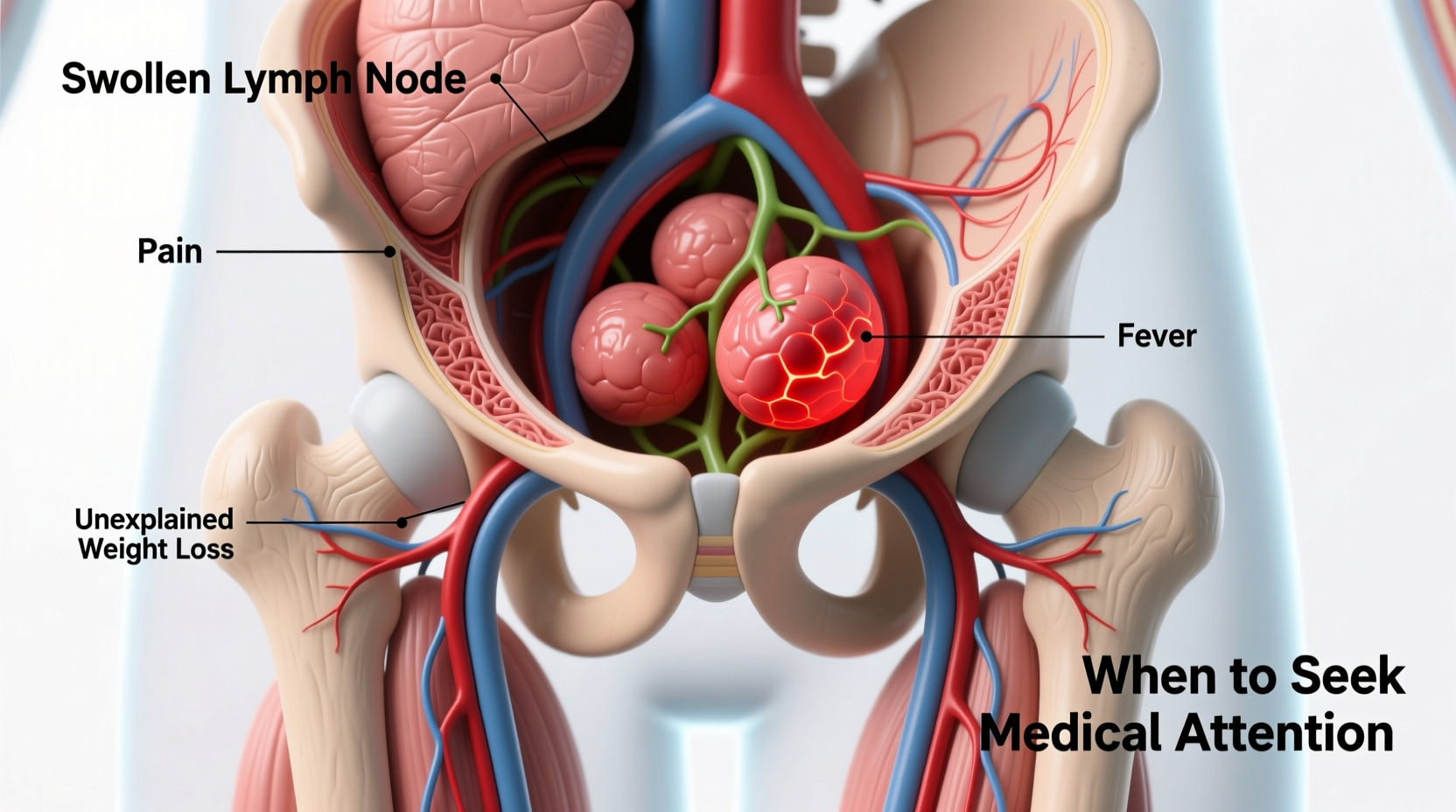
The groin contains lymph nodes that drain fluid from the legs, genitals, and lower abdomen. Swelling in this region typically results from increased immune activity due to localized or systemic issues. The most frequent causes include:
- Local Infections: Bacterial or fungal infections in the feet, legs, or genital area (e.g., athlete’s foot, cellulitis, or infected cuts) commonly trigger reactive lymph node enlargement.
- Sexually Transmitted Infections (STIs): Conditions like syphilis, gonorrhea, chlamydia, and herpes can cause painful or tender groin lymphadenopathy.
- Skin Infections: Ingrown hairs, razor bumps, or abscesses in the pubic region often lead to temporary swelling.
- Viral Illnesses: Mononucleosis, HIV, or even common viral infections can result in generalized or localized lymph node enlargement.
- Insect Bites or Animal Scratches: Exposure to pathogens via bites (e.g., cat scratch disease) may prompt immune response in nearby nodes.
In many cases, the swelling subsides once the underlying infection clears. However, persistent or unexplained enlargement warrants further investigation.
Tip: Monitor the size, tenderness, and duration of swelling. Note any changes in skin color or mobility of the node.Symptoms Associated with Swollen Groin Lymph Nodes
Swollen lymph nodes may present with various accompanying symptoms depending on the root cause. Common indicators include:
- Pain or tenderness in the groin area
- Visible lump or bump near the crease between the thigh and pelvis
- Redness or warmth over the node
- Fever, fatigue, or night sweats
- Unexplained weight loss
- Skin lesions, sores, or rashes in the lower body
- Discharge or pain during urination (if linked to STIs)
Nodes that are soft, movable, and slightly tender usually suggest a benign, reactive process. Conversely, hard, fixed, or rapidly growing nodes raise concern for more serious pathology.
When Swelling Is Part of a Systemic Condition
In some instances, swollen groin lymph nodes are not isolated but part of broader health issues. These may include:
- HIV/AIDS: Early HIV infection often presents with generalized lymphadenopathy, including the groin.
- Lymphoma: A type of cancer affecting the lymphatic system, which may manifest as painless, progressive lymph node enlargement.
- Leukemia: Blood cancers can cause widespread node swelling along with fatigue, bruising, and recurrent infections.
- Autoimmune Diseases: Conditions like lupus or rheumatoid arthritis sometimes involve lymph node reactivity.
“Persistent lymphadenopathy without an obvious cause should never be ignored. It's one of the earliest clues the body gives us about deeper health issues.” — Dr. Alan Reyes, Internal Medicine Specialist
When to Worry: Red Flags and Warning Signs
Most cases of swollen groin lymph nodes resolve within 2–4 weeks. However, certain features require prompt medical assessment. Seek professional care if you experience any of the following:
| Warning Sign | Potential Implication | Action Recommended |
|---|---|---|
| Swelling lasting longer than 4 weeks | Possible chronic infection or malignancy | Consult primary care physician |
| Hard, immovable, or rubbery texture | Suggests possible lymphoma or metastatic cancer | Urgent evaluation needed |
| Rapid increase in size | Aggressive infection or tumor growth | Immediate medical review |
| No pain despite significant swelling | Often seen in cancer-related lymphadenopathy | Diagnostic imaging and biopsy may be required |
| Accompanied by fever, night sweats, weight loss | Systemic illness such as TB or lymphoma | Comprehensive workup advised |
Real Example: A Case of Delayed Diagnosis
Mark, a 38-year-old landscaper, noticed a small lump in his right groin after treating a deep cut on his foot. He assumed it was related to the injury and expected it to go away. Over six weeks, the node grew larger, though it remained painless. He also began experiencing drenching night sweats and lost nearly 10 pounds unintentionally.
When he finally visited his doctor, blood tests and imaging revealed enlarged nodes throughout his body. A biopsy confirmed Hodgkin’s lymphoma. With early treatment, Mark responded well to chemotherapy. His case underscores the importance of monitoring seemingly minor symptoms that persist or evolve.
Diagnosis and Medical Evaluation
If your swollen groin lymph node raises concern, your healthcare provider will likely begin with a detailed history and physical exam. Key aspects include:
- Duration and progression of swelling
- Recent injuries, infections, or sexual activity
- Travel history or animal exposure
- Other systemic symptoms
Depending on initial findings, diagnostic steps may include:
- Blood Tests: CBC, inflammatory markers, HIV, syphilis, and other serological panels.
- Imaging: Ultrasound of the groin to assess node structure and blood flow; CT or PET scans for deeper evaluation.
- Biopsy: If malignancy is suspected, a fine needle aspiration or excisional biopsy may be performed.
Ultrasound has become a first-line tool due to its ability to differentiate between reactive nodes and suspicious masses based on shape, borders, and internal architecture.
Tip: Keep a symptom journal before your appointment—note size changes, pain levels, and associated symptoms for accurate reporting.Practical Checklist: What to Do If You Notice Swelling
Use this checklist to determine next steps and prepare for a medical visit:
- ✅ Measure the size of the node (use fingers or ruler)
- ✅ Check for tenderness, redness, or warmth
- ✅ Monitor for new symptoms (fever, rash, fatigue)
- ✅ Recall recent injuries, infections, or sexual activity
- ✅ Avoid squeezing or irritating the area
- ✅ Schedule a doctor’s visit if swelling persists beyond 2–3 weeks
- ✅ Prepare questions for your healthcare provider
Frequently Asked Questions
Can exercise make swollen groin lymph nodes worse?
Strenuous activity may increase blood flow and temporarily heighten discomfort, but it doesn’t worsen the underlying condition. However, avoid putting direct pressure on the area (e.g., tight clothing or heavy lifting) until evaluated.
Are swollen lymph nodes in the groin always related to STIs?
No. While STIs are a known cause, many non-sexual factors—including skin infections, insect bites, and leg wounds—can trigger swelling. A proper diagnosis requires clinical assessment.
Can stress cause lymph nodes to swell?
Stress does not directly cause lymph node enlargement. However, chronic stress weakens immunity, potentially increasing susceptibility to infections that do lead to swelling.
Conclusion: Stay Informed, Not Alarmed
Swollen groin lymph nodes are more common than many realize and often stem from treatable, temporary causes. Awareness of the triggers and symptoms empowers you to respond appropriately—neither dismissing legitimate concerns nor overreacting to minor issues.
By tracking changes, recognizing red flags, and seeking timely care when needed, you protect your long-term health. Remember, early detection is key in managing both infections and more serious conditions. Don’t hesitate to consult a healthcare professional if something feels off. Your body is sending signals—listen to them.
💬 Your health matters. Have you experienced unexplained swelling? Share your story or questions below to connect with others and promote awareness.








