
The transition from weekend freedom to the structured demands of the workweek often brings a subtle but powerful emotional shift. For many, Sunday evening marks the onset of what has become widely known as the \"Sunday scaries\"—a creeping sense of dread, anxiety, or unease about the upcoming week. While not a clinical diagnosis, this phenomenon is increasingly common in modern work culture, affecting people across industries, age groups, and lifestyles. Understanding its roots and implementing intentional changes to your weekend routine can significantly reduce its impact.
Unlike acute anxiety disorders, the Sunday scaries are typically situational and cyclical, tied closely to job-related stress, lack of work-life balance, or unresolved tasks lingering from the previous week. The anticipation of emails, meetings, deadlines, or even social obligations can trigger physical symptoms such as restlessness, insomnia, or stomach discomfort. Recognizing these signs early allows for proactive intervention rather than passive suffering.
What Are the Sunday Scaries? A Closer Look
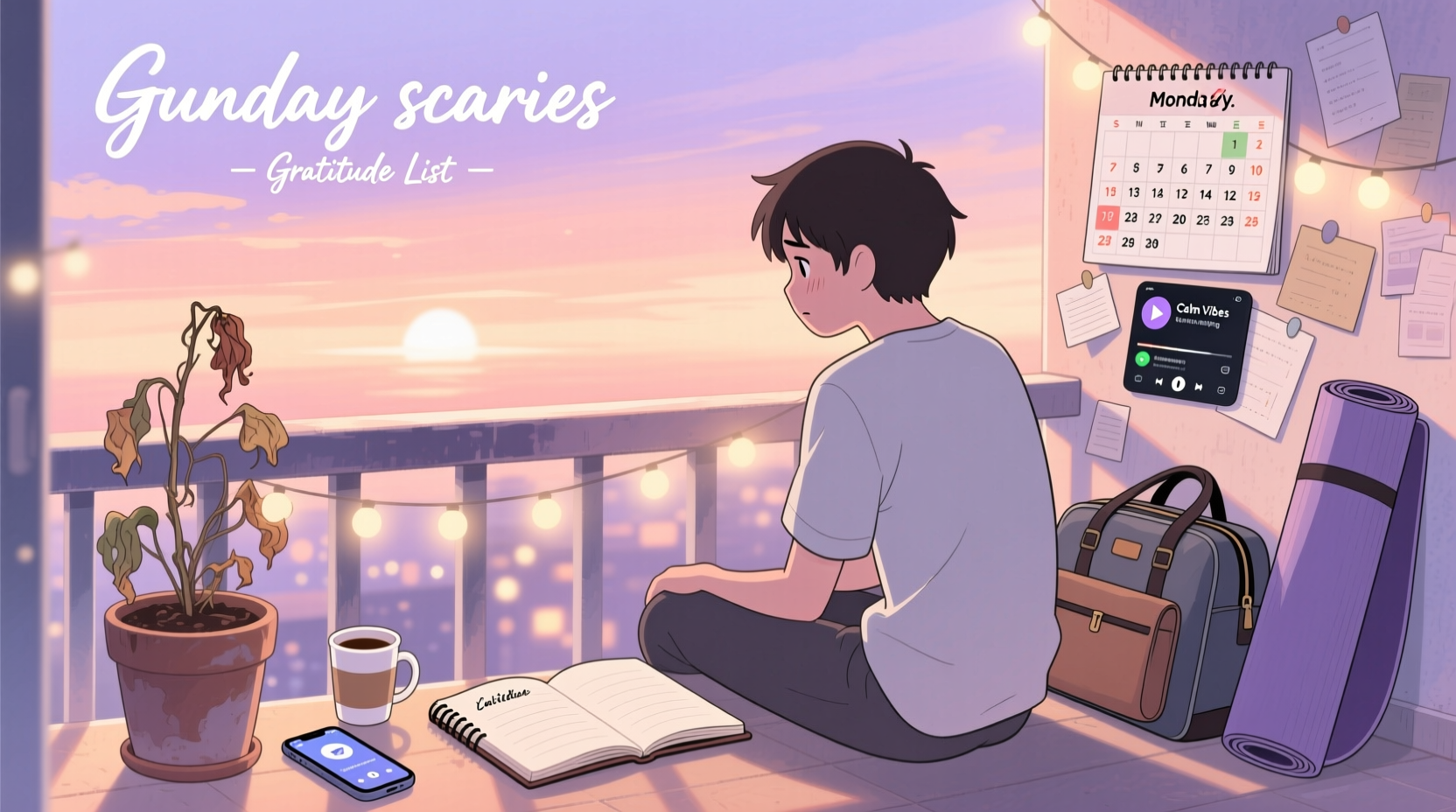
The term “Sunday scaries” refers to the emotional and psychological discomfort experienced on Sunday, particularly in the late afternoon and evening, as individuals mentally prepare to return to work or school. It’s more than simple laziness or reluctance to end the weekend—it’s a legitimate response to chronic stress, overwork, and poor boundary-setting.
Psychologists note that the Sunday scaries stem from cognitive dissonance: the mind struggles to reconcile the autonomy and relaxation of the weekend with the rigidity and expectations of the workweek. This internal conflict activates the body’s stress response, releasing cortisol and adrenaline even in the absence of immediate danger. Over time, repeated exposure to this pattern can contribute to burnout, sleep disturbances, and diminished overall well-being.
Common symptoms include:
- Racing thoughts about unfinished tasks
- Physical tension or headaches
- Loss of appetite or emotional eating
- Difficulty concentrating or relaxing
- Negative self-talk (“I’ll never catch up,” “Monday will be terrible”)
Why Modern Life Amplifies Weekend Anxiety
The rise of digital connectivity has blurred the lines between personal and professional life. With smartphones and remote access to work systems, many people never truly disconnect. Even if not actively working, the mental load of pending responsibilities remains active in the background. This constant low-grade stress primes the nervous system for anxiety when the week looms closer.
Additionally, societal pressure to maximize productivity—especially on weekends—can backfire. Attempts to “catch up” on chores, side projects, or social commitments leave little room for genuine recovery. Without adequate downtime, the brain doesn’t have the chance to reset, making the transition into Monday feel overwhelming.
A 2023 study published in the Journal of Occupational Health Psychology found that employees who reported high levels of work-related rumination on Sundays were 2.3 times more likely to experience burnout within six months. This highlights the importance of addressing weekend anxiety not just for comfort, but for long-term mental resilience.
“Anticipatory anxiety on Sundays is often a signal that boundaries are eroding. It’s the mind’s way of asking for better rhythm and recovery.” — Dr. Lena Torres, Clinical Psychologist & Workplace Mental Health Consultant
Practical Routine Changes to Reduce Sunday Anxiety
Alleviating the Sunday scaries isn’t about eliminating all stress—it’s about reshaping your weekend structure to support mental clarity and emotional balance. Small, consistent adjustments can yield significant improvements over time. Below are evidence-based strategies to integrate into your weekly rhythm.
1. Reclaim Saturday as a Recovery Day
Many people use Saturday to tackle errands, deep clean, or complete work overflow—essentially treating it as an unpaid extension of the workweek. This leaves Sunday carrying the full weight of transition anxiety. Instead, designate Saturday as a day for recharging: leisure activities, nature walks, creative hobbies, or quality time with loved ones.
By reserving Saturday for restoration, you enter Sunday with greater emotional bandwidth to handle planning and preparation without panic.
2. Implement a Sunday Reset Ritual (Not a Work Session)
A structured but calming Sunday ritual can ease the mental shift into the week ahead. The key is to avoid turning this into a second workday. Focus on light organization, reflection, and intention-setting.
Consider this sequence:
- Morning reflection (10 minutes): Journal one thing you’re grateful for from the weekend and one realistic goal for the week.
- Lay out essentials: Choose Monday’s outfit, pack lunch, and prep bags to eliminate morning friction.
- Digital detox after 7 PM: Turn off work notifications and avoid checking email.
- Evening wind-down: Read, listen to music, or practice gentle stretching.
3. Reframe Your Mindset About Mondays
Anxiety often stems from negative associations. If you consistently label Monday as “the worst day,” your brain will anticipate suffering. Cognitive behavioral techniques suggest replacing automatic negative thoughts with neutral or positive alternatives.
Instead of “I hate Mondays,” try:
- “Mondays give me a fresh start.”
- “I get to focus on one task at a time today.”
- “This week holds small opportunities I haven’t seen yet.”
Language shapes perception. Over time, this reframe reduces anticipatory dread.
Checklist: Weekly Routine Adjustments to Prevent the Sunday Scaries
Use this actionable checklist each week to build resilience against weekend anxiety:
- ✅ Finish urgent work tasks by Friday afternoon, not Sunday night
- ��� Schedule one enjoyable activity for Saturday (e.g., hike, coffee with a friend)
- ✅ Limit screen time after 8 PM on Sundays
- ✅ Prepare Monday’s breakfast and outfit the night before
- ✅ Write a short “win list” from the past week to reinforce progress
- ✅ Set a device curfew (e.g., no work apps after 7 PM Sunday)
- ✅ Practice 5 minutes of box breathing or meditation Sunday evening
Do’s and Don’ts: Managing the Transition from Weekend to Weekday
| Do | Don’t |
|---|---|
| Plan a low-pressure Sunday activity (e.g., walk, cooking) | Schedule intense workouts or social events late Sunday |
| Review your calendar for Monday to reduce uncertainty | Reorganize your entire schedule or inbox Sunday night |
| Practice gratitude or mindfulness to anchor the present moment | Ruminate about potential problems at work |
| Get consistent sleep—even on weekends | Stay up late Saturday and sleep until noon Sunday |
| Use calming scents or music to set a peaceful tone | Watch stressful news or thriller content before bed |
Real Example: How Sarah Transformed Her Sundays
Sarah, a 34-year-old project manager, used to spend her Sundays alternating between guilt and panic. She’d wake up late, rush through laundry and meal prep, then spend hours answering emails while her anxiety mounted. By bedtime, she felt exhausted despite doing little beyond worrying.
After learning about the Sunday scaries, she redesigned her weekend. She now uses Saturday mornings for grocery shopping and light cleaning, leaving Sunday free for yoga and a long brunch with her partner. On Sunday evenings, she journals for 10 minutes using a template: “What went well?” “One thing I’m letting go of,” and “One small win I expect this week.”
Within three weeks, Sarah noticed a dramatic shift. Her sleep improved, her Monday focus sharpened, and she stopped dreading the weekend’s end. “It wasn’t about doing more,” she said. “It was about protecting my peace.”
Frequently Asked Questions
Is the Sunday scaries a sign of a deeper mental health issue?
Occasional Sunday anxiety is normal, especially during high-stress periods. However, if it leads to chronic insomnia, panic attacks, or persistent dread throughout the week, it may indicate generalized anxiety disorder or burnout. In such cases, consulting a mental health professional is recommended.
Can changing my work environment help?
Yes. If your workplace lacks flexibility, clear communication, or recognition, it intensifies weekend anxiety. Consider discussing workload management, setting email boundaries, or adjusting schedules with your manager. Even small changes—like delaying email access until 9 AM—can improve psychological safety.
What if I work on weekends? Can I still prevent the scaries?
Absolutely. The issue isn’t weekend work itself, but the lack of closure and recovery. If you must work on weekends, define strict start and end times, separate workspaces, and follow a shutdown ritual (e.g., closing tabs, writing tomorrow’s to-do list). This creates psychological closure, reducing lingering stress.
Conclusion: Reclaim Your Weekends with Intention
The Sunday scaries are not inevitable. They are a symptom of misaligned routines, unchecked stress, and neglected recovery. By making deliberate changes—protecting downtime, setting boundaries, and restructuring your weekend flow—you can transform Sunday from a day of dread into one of gentle preparation and calm reflection.
Anxiety thrives in uncertainty and overload. Clarity, simplicity, and self-compassion are its antidotes. Start small: pick one strategy from this guide and apply it this weekend. Whether it’s laying out your clothes, skipping email checks, or simply breathing deeply, each act builds resilience. Over time, you won’t just survive Mondays—you might even begin to welcome them.
💬 What’s one change you’ll make this Sunday to reduce anxiety? Share your commitment in the comments and inspire others to break the cycle.








