
Experiencing stomach pain after eating is more common than many realize. While occasional discomfort may not be alarming, recurring or severe pain can interfere with daily life and signal an underlying condition. Understanding the root causes—ranging from dietary choices to chronic digestive disorders—can help you make informed decisions about your health. This guide explores the most frequent reasons for post-meal stomach pain, offers practical solutions, and outlines when medical attention is necessary.
Common Causes of Stomach Pain After Eating
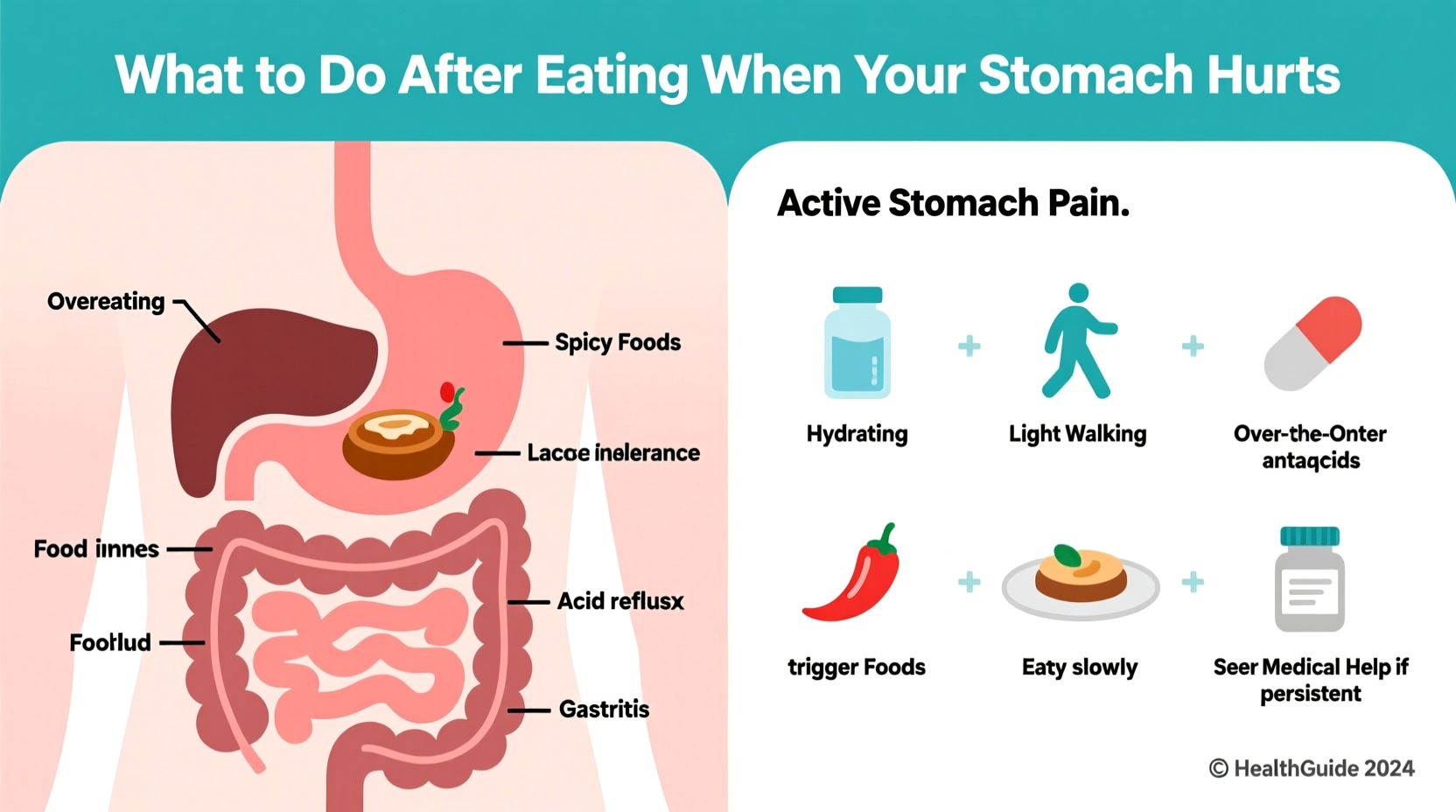
Pain in the abdomen shortly after eating can stem from a variety of sources. Some are mild and easily managed, while others require professional diagnosis and treatment.
- Indigestion (Dyspepsia): A general term for discomfort in the upper abdomen, often accompanied by bloating, nausea, or a burning sensation. It's frequently caused by eating too quickly, consuming fatty or spicy foods, or overeating.
- Gastritis: Inflammation of the stomach lining, often due to infection with *H. pylori* bacteria, excessive alcohol use, or prolonged use of NSAIDs like ibuprofen. Symptoms include a gnawing or burning pain that worsens after meals.
- Gastroesophageal Reflux Disease (GERD): Occurs when stomach acid flows back into the esophagus. Pain typically presents as heartburn behind the breastbone and may worsen when lying down after eating.
- Lactose Intolerance: The inability to digest lactose, a sugar found in dairy products. This leads to gas, bloating, cramps, and diarrhea within 30 minutes to two hours after consumption.
- Irritable Bowel Syndrome (IBS): A functional gastrointestinal disorder characterized by abdominal pain, bloating, and changes in bowel habits. Triggers vary but often include certain carbohydrates known as FODMAPs.
- Food Allergies or Sensitivities: Immune-mediated reactions (like to nuts or shellfish) or non-allergic sensitivities (such as gluten sensitivity) can cause abdominal pain, swelling, or even systemic symptoms.
- Gallbladder Issues: Gallstones or inflammation can cause sharp pain in the upper right abdomen, usually one to three hours after a fatty meal.
- Pancreatitis: Inflammation of the pancreas, often resulting in severe, persistent upper abdominal pain that radiates to the back and worsens after eating, especially high-fat foods.
What to Do When Your Stomach Hurts After Eating
Immediate relief and long-term improvement depend on identifying triggers and making strategic adjustments. Start with simple lifestyle and dietary changes before considering medication.
Dietary Adjustments
Eating habits play a major role in digestive comfort. Consider these modifications:
- Eat smaller, more frequent meals instead of three large ones.
- Chew food thoroughly to aid digestion.
- Avoid lying down for at least two to three hours after eating.
- Limit intake of fried, greasy, or heavily spiced foods.
- Reduce or eliminate carbonated beverages, caffeine, and alcohol.
- Gradually introduce fiber-rich foods if constipation is a factor, but avoid excess if bloating occurs.
Home Remedies That Work
Natural approaches can soothe mild discomfort:
- Peppermint tea: Helps relax gastrointestinal muscles and reduce bloating.
- Ginger: Has anti-inflammatory properties and can ease nausea and indigestion.
- Warm compress: Applying heat to the abdomen may relieve cramping.
- Probiotics: Found in yogurt or supplements, they support gut microbiome balance.
“Simple changes in eating behavior—like slowing down and avoiding late-night meals—can dramatically reduce postprandial discomfort in many patients.” — Dr. Lena Torres, Gastroenterologist
Step-by-Step Guide to Managing Post-Meal Stomach Pain
If you're struggling with recurring pain, follow this structured approach:
- Track your symptoms: Note what you eat, portion sizes, timing, and any pain intensity or location.
- Eliminate common irritants: Remove potential triggers such as dairy, gluten, fried foods, or artificial sweeteners for one week.
- Modify eating behaviors: Eat slowly, avoid talking while chewing, and stop before feeling completely full.
- Try over-the-counter aids: Antacids (like Tums), H2 blockers (famotidine), or simethicone for gas may offer temporary relief.
- Consult a healthcare provider: If symptoms persist beyond two weeks or worsen, seek evaluation.
When to See a Doctor
While many cases resolve with lifestyle changes, some signs indicate the need for medical assessment:
| Symptom | May Indicate | Action |
|---|---|---|
| Severe, persistent pain | Pancreatitis, ulcer, gallstones | Seek immediate care |
| Vomiting blood or black stools | Gastrointestinal bleeding | Emergency evaluation |
| Unintentional weight loss | Chronic condition (e.g., IBD, cancer) | Schedule doctor visit |
| Pain that wakes you at night | Possible peptic ulcer | Medical consultation needed |
| Frequent heartburn (2+ times/week) | GERD requiring treatment | See primary care or GI specialist |
Diagnostic tests such as endoscopy, ultrasound, breath tests (for *H. pylori* or lactose intolerance), or blood work may be recommended based on your symptoms.
Mini Case Study: Sarah’s Journey with Post-Meal Discomfort
Sarah, a 34-year-old office worker, began experiencing bloating and sharp lower abdominal pain about 45 minutes after lunch. She initially assumed it was stress-related. After tracking her meals, she noticed the pain consistently followed salads with onions, apples, and yogurt. Upon eliminating high-FODMAP foods, her symptoms improved within five days. A visit to her doctor confirmed irritable bowel syndrome, and she was guided through a low-FODMAP diet plan. Within six weeks, her post-meal pain had nearly disappeared.
This case illustrates how symptom tracking and targeted elimination can uncover hidden triggers—even in seemingly healthy foods.
Checklist: Immediate Actions for Stomach Pain After Eating
Use this checklist to respond effectively when discomfort strikes:
- ✅ Stop eating and rest in an upright position.
- ✅ Sip warm water or herbal tea (peppermint or ginger).
- ✅ Apply a heating pad to the abdomen for 15–20 minutes.
- ✅ Avoid NSAIDs, which can worsen stomach irritation.
- ✅ Record the time, food eaten, and pain description in a journal.
- ✅ If using OTC meds, choose antacids or simethicone—avoid aspirin or ibuprofen.
- ✅ Wait at least two hours before lying down.
Do’s and Don’ts Table
| Do’s | Don’ts |
|---|---|
| Eat slowly and chew thoroughly | Overeat or eat rapidly |
| Stay hydrated throughout the day | Drink large amounts during meals (can dilute digestive enzymes) |
| Keep a food-symptom diary | Ignore recurring or worsening pain |
| Try probiotic-rich foods | Self-diagnose serious conditions |
| Consult a doctor if symptoms persist | Continue eating known trigger foods |
FAQ
Can stress cause stomach pain after eating?
Yes. Stress affects the gut-brain axis and can increase stomach acid production, delay digestion, and heighten pain perception. Managing stress through mindfulness, breathing exercises, or therapy may reduce symptoms.
Is it normal to feel pain after every meal?
No. While occasional discomfort is common, consistent pain after eating is not normal and should be evaluated. It may indicate gastritis, ulcers, GERD, or food intolerances.
How long should post-meal pain last?
Mild indigestion usually resolves within 1–2 hours. Pain lasting longer than three hours, especially if severe or recurrent, warrants medical attention.
Conclusion
Stomach pain after eating doesn't have to be a regular part of your routine. By understanding potential causes—from simple overeating to chronic digestive conditions—you can take meaningful steps toward relief. Small changes in diet and eating habits often yield significant improvements. However, persistent or severe symptoms should never be ignored. Listen to your body, track your patterns, and don’t hesitate to seek professional guidance when needed. Taking action today can lead to better digestion, greater comfort, and improved quality of life.
💬 Have you identified a trigger for your stomach pain? Share your experience or questions in the comments—your insight could help someone else find relief.








