
Experiencing light vaginal bleeding or spotting about two weeks before your expected period can be unsettling. While occasional spotting is often harmless and tied to natural hormonal shifts, it can also signal underlying conditions that may require medical attention. Understanding the root causes, recognizing warning signs, and knowing how to respond empowers you to make informed decisions about your reproductive health.
Understanding Mid-Cycle Spotting
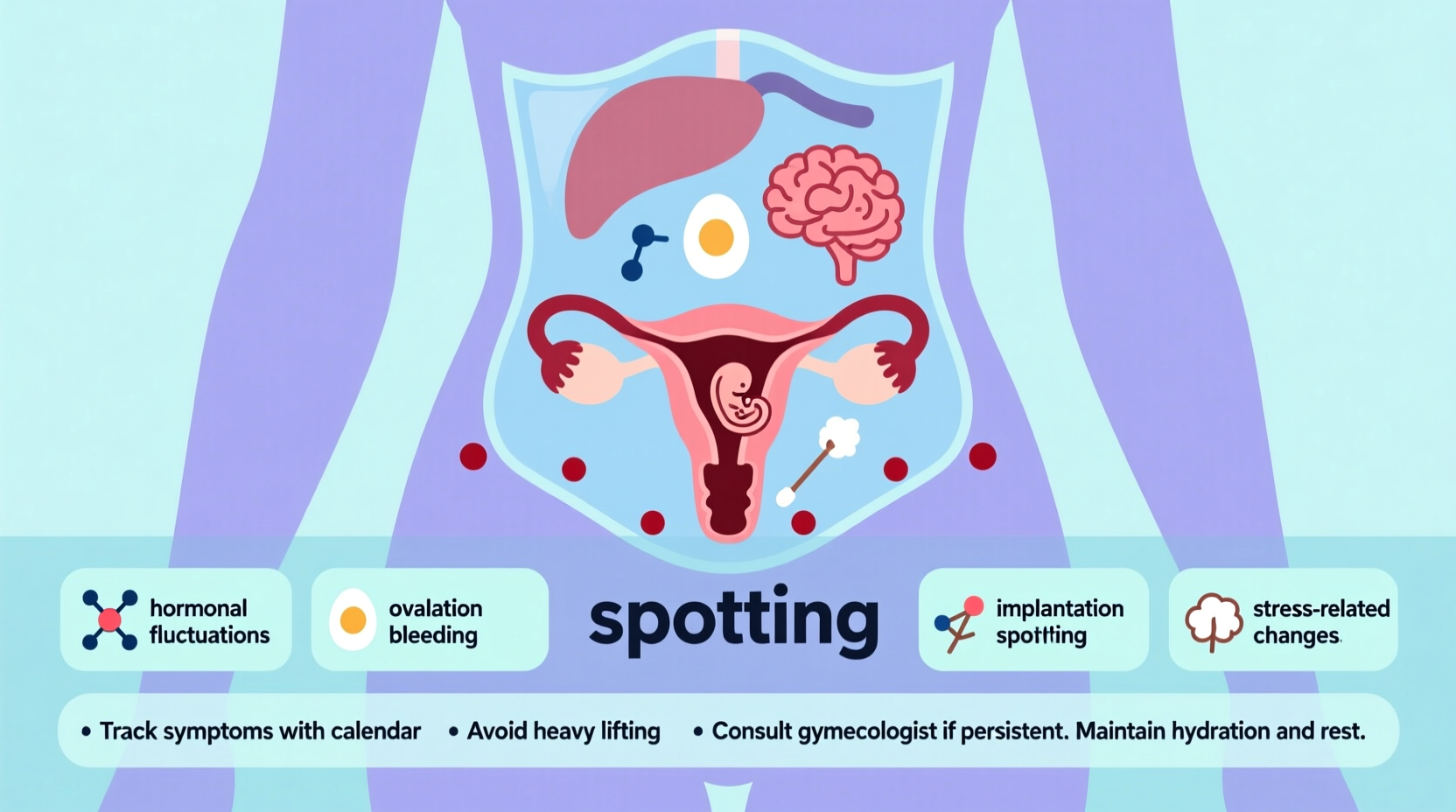
Mid-cycle spotting typically occurs around day 14 of a 28-day menstrual cycle—coinciding with ovulation. This type of bleeding is usually light, lasting from a few hours to two days, and ranges in color from pink to brown. Unlike a full menstrual period, it doesn’t involve heavy flow or cramping.
The primary driver of mid-cycle spotting is hormonal fluctuation. As estrogen levels rise before ovulation and then dip slightly when an egg is released, the endometrial lining may become unstable, leading to minor shedding. In most cases, this is a normal variation rather than a cause for concern.
Tip: Track your cycle using a reliable app or calendar to identify patterns in spotting and correlate them with ovulation.Common Causes of Spotting Two Weeks Before Your Period
Several physiological and lifestyle-related factors contribute to pre-period spotting. Recognizing these can help determine whether intervention is needed.
Ovulation Bleeding
Also known as \"mittelschmerz\" (middle pain), ovulation can cause both mild abdominal discomfort and slight spotting. The release of an egg from the follicle may irritate the ovarian lining, resulting in minimal blood discharge.
Hormonal Imbalances
Fluctuations in estrogen and progesterone levels disrupt the stability of the uterine lining. Conditions such as polycystic ovary syndrome (PCOS), thyroid disorders, or perimenopause can amplify these imbalances, increasing the likelihood of irregular bleeding.
Birth Control Use
Hormonal contraceptives—especially pills, patches, implants, or IUDs—often cause breakthrough bleeding during the first few months of use. Progestin-only methods are particularly associated with unpredictable spotting due to their effect on endometrial thinning.
Uterine Fibroids or Polyps
Non-cancerous growths in the uterus can lead to irregular bleeding patterns. While many fibroids remain asymptomatic, submucosal fibroids (those protruding into the uterine cavity) are more likely to cause spotting between periods.
Infections or Cervical Irritation
Sexually transmitted infections (STIs) like chlamydia or gonorrhea may inflame cervical tissue, making it prone to bleeding after intercourse or even spontaneously. Similarly, cervical ectropion—a benign condition where glandular cells from inside the cervix extend outward—can appear red and bleed easily.
“Up to 5% of women experience regular ovulatory spotting, which is typically benign. However, persistent or worsening intermenstrual bleeding should prompt evaluation.” — Dr. Lena Patel, OB-GYN Specialist
When to Be Concerned: Red Flags
While spotting two weeks before your period is frequently normal, certain symptoms warrant further investigation:
- Bleeding that lasts more than three days
- Heavy flow requiring pads or tampons
- Foul-smelling discharge
- Pain during sex or pelvic tenderness
- Spotting after menopause or while pregnant
- Missed periods alongside irregular bleeding
If any of these occur, consult a healthcare provider to rule out serious conditions such as endometrial hyperplasia, cervical dysplasia, or early-stage gynecological cancers.
Step-by-Step Guide: What to Do If You Spot Two Weeks Before Your Period
- Track Your Symptoms: Note the date, duration, color, and amount of bleeding. Record associated symptoms like cramps, mood changes, or discharge.
- Review Medications: Assess if hormonal birth control, emergency contraception, or new supplements might be contributing.
- Take a Pregnancy Test: Early pregnancy can mimic spotting; implantation bleeding often occurs around the same time as expected ovulation.
- Monitor for Patterns: Observe whether spotting recurs monthly or appears sporadically over several cycles.
- Schedule a Clinical Evaluation: See your doctor if spotting persists beyond two to three cycles or is accompanied by other concerning symptoms.
Do’s and Don’ts: Managing Mid-Cycle Spotting
| Do’s | Don’ts |
|---|---|
| Use panty liners to manage light flow discreetly | Ignore persistent or worsening spotting |
| Maintain a balanced diet rich in iron and B vitamins | Assume all spotting is “normal” without tracking |
| Practice safe sex to reduce STI risk | Self-diagnose based on internet searches |
| Attend regular gynecological check-ups | Stop hormonal medication abruptly without consulting a doctor |
Mini Case Study: Sarah’s Experience with Ovulation Spotting
Sarah, a 29-year-old teacher, began noticing light brown spotting every month around the middle of her cycle. Initially concerned, she started tracking her symptoms and noticed the spotting consistently occurred on day 14, lasted less than 24 hours, and was not accompanied by pain or heavy flow. After discussing this with her gynecologist, she learned it was likely ovulation-related. Her doctor recommended continuing observation and suggested using an ovulation predictor kit to confirm timing. Over the next three months, Sarah confirmed the correlation and felt reassured knowing her body’s pattern. No treatment was necessary.
Expert-Recommended Strategies for Hormonal Balance
Supporting hormonal equilibrium can reduce the frequency of mid-cycle spotting. Consider the following evidence-based approaches:
- Stress Management: Chronic stress elevates cortisol, which interferes with progesterone production. Practices like yoga, meditation, and deep breathing can restore balance.
- Nutrient-Rich Diet: Focus on whole grains, leafy greens, healthy fats (like avocados and nuts), and lean proteins. Deficiencies in vitamin B6, magnesium, and zinc are linked to hormonal disruptions.
- Regular Exercise: Moderate physical activity helps regulate insulin and sex hormones, but excessive exercise can suppress ovulation—balance is key.
- Adequate Sleep: Aim for 7–9 hours nightly. Poor sleep alters melatonin and cortisol rhythms, indirectly affecting reproductive hormones.
FAQ
Can spotting two weeks before my period be a sign of pregnancy?
Yes. Implantation bleeding—which occurs when a fertilized egg attaches to the uterine lining—can resemble light spotting and often happens 6–12 days after ovulation, aligning with the timeframe of mid-cycle spotting. A sensitive pregnancy test can detect hCG levels shortly after a missed period.
Should I stop taking birth control if I experience spotting?
Not without consulting your doctor. Breakthrough bleeding is common in the first 3–6 months of starting hormonal contraception. Stopping suddenly may worsen irregularities or increase pregnancy risk. Your provider may adjust dosage or switch formulations if needed.
Is ovulation spotting something I should treat?
No, if it’s consistent, brief, and not disruptive, ovulation spotting generally doesn’t require treatment. However, if it affects your quality of life or becomes heavier, discuss options like low-dose combined oral contraceptives with your physician.
Conclusion: Take Charge of Your Cycle
Spotting two weeks before your period is a common occurrence rooted in natural hormonal dynamics, especially around ovulation. For most women, it’s temporary and resolves without intervention. But understanding your body’s signals, tracking changes, and seeking professional guidance when appropriate ensures long-term reproductive wellness.
Don’t dismiss recurring or unusual bleeding as “just part of the cycle.” With awareness and proactive care, you can distinguish between normal variations and potential health concerns. Start today by logging your symptoms and scheduling routine check-ups—your future self will thank you.
💬 Have questions about your cycle or experiences with spotting? Share your story in the comments below—your insights could help others feel less alone.








