Many people dream of a brighter, whiter smile. With countless whitening toothpastes lining drugstore shelves, it’s easy to assume that stronger formulas deliver better results. But what if the very product promising a dazzling smile is quietly harming your gums and enamel? At the same time, a simple soft bristle toothbrush—often overlooked—is gaining recognition for its role in preserving long-term oral health. So, where should you draw the line between cosmetic appeal and dental safety?
The debate isn’t just about aesthetics; it’s about sustainability. Can you achieve noticeable whitening without compromising gum integrity or enamel strength? This article breaks down the science, risks, and real-world outcomes of using whitening toothpaste versus relying on gentle brushing with a soft bristle toothbrush.
How Whitening Toothpaste Works—and What It Costs
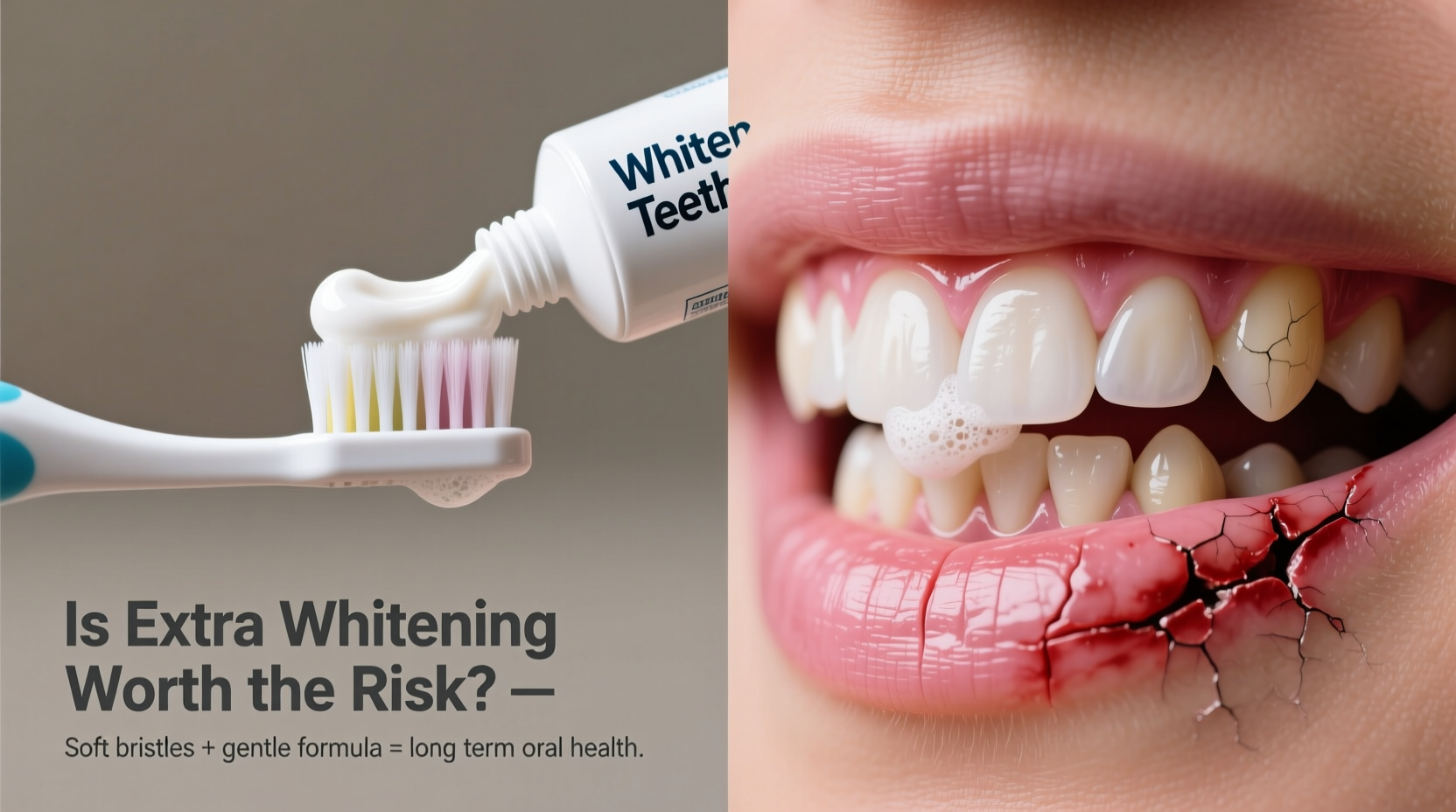
Whitening toothpastes use mild abrasives and chemical agents like hydrogen peroxide or sodium pyrophosphate to lift surface stains from coffee, tea, wine, and tobacco. Unlike professional treatments, they don’t change the natural color of teeth but can improve appearance over weeks of consistent use.
However, not all whitening agents are created equal. Some formulas contain high levels of silica or baking soda, which increase abrasiveness. The Relative Dentin Abrasivity (RDA) scale measures this effect. While the American Dental Association (ADA) considers products under 250 RDA safe, many popular whitening toothpastes hover near or exceed this threshold with prolonged use.
Over time, aggressive abrasion wears down enamel—the protective outer layer of teeth. Once enamel erodes, it doesn’t regenerate. Exposed dentin leads to sensitivity, yellowing (due to the darker underlying layer), and increased vulnerability to decay.
Tip: Check the RDA value of your toothpaste when possible. Opt for ADA-approved brands that prioritize low abrasivity.The Protective Power of Soft Bristle Toothbrushes
A soft bristle toothbrush may seem less effective at removing plaque or stains, but modern designs have proven otherwise. High-quality soft brushes flex along the gumline, reaching tight spaces without scraping or gouging delicate tissues. In contrast, medium or hard bristles—even used gently—can cause micro-tears in the gums and contribute to recession.
Gum recession is irreversible. Exposed roots are sensitive, prone to decay, and create an aged appearance as more of the tooth becomes visible. Studies show that individuals who switch from hard to soft bristles often report reduced bleeding, improved gum health, and even less sensitivity within weeks.
The key lies in technique. A soft brush paired with proper circular motions removes plaque just as effectively as a stiff brush, but without the collateral damage. It's not about force—it's about consistency and precision.
“Brushing harder doesn’t mean cleaner teeth. In fact, it’s one of the most common causes of avoidable gum recession.” — Dr. Lena Torres, Periodontist and Clinical Educator
Comparing Outcomes: Whitening Results vs. Long-Term Health
| Factor | Whitening Toothpaste | Soft Bristle Brush + Regular Paste |
|---|---|---|
| Visible Whitening (after 4–8 weeks) | Moderate improvement on surface stains | Minimal change unless combined with diet adjustments |
| Gum Irritation Risk | High (especially with abrasive formulas) | Low (when used correctly) |
| Enamel Wear | Potentially significant over time | Minimal to none |
| Tooth Sensitivity Development | Common with daily long-term use | Rare, unless pre-existing conditions exist |
| ADA Seal of Acceptance Likelihood | Varies—many lack approval due to abrasiveness | High—most standard pastes meet guidelines |
Real-World Example: Sarah’s Smile Transformation
Sarah, a 34-year-old marketing executive, wanted a brighter smile before her wedding. She began using a popular whitening toothpaste twice daily and brushed vigorously, believing more pressure meant better cleaning. Within three months, her teeth looked slightly lighter—but she developed sharp sensitivity to cold drinks and noticed her gums were receding near her front teeth.
At her next dental checkup, her hygienist pointed out early-stage gum recession and enamel thinning. She was advised to discontinue the whitening paste and switch to a soft bristle brush with a low-abrasion fluoride toothpaste. Over six months, her sensitivity decreased, and further damage halted. For lasting whitening, she opted for an in-office treatment once—followed by maintenance through diet and gentle care.
Sarah’s experience reflects a growing trend: short-term cosmetic gains at the expense of long-term oral health.
Smart Strategies for Safer Whitening
You don’t have to choose between healthy gums and a whiter smile. With smarter habits, both are achievable. Consider this step-by-step approach:
- Assess your current routine: Are you using a hard-bristled brush? Is your toothpaste highly abrasive?
- Switch to a soft bristle toothbrush: Replace every 3–4 months or when bristles fray.
- Select a low-RDA whitening toothpaste: Look for ADA approval and ingredients like hydrated silica instead of coarse abrasives.
- Limited frequency: Use whitening toothpaste only once per day; alternate with a gentler fluoride paste for the second brushing.
- Perfect your technique: Use small circular motions, angling the brush 45 degrees toward the gumline.
- Support with lifestyle choices: Reduce intake of staining foods, rinse after meals, and stay hydrated to maintain saliva flow.
- Consider professional options: Occasional in-office whitening or custom trays provide faster, safer results than daily abrasive exposure.
Frequently Asked Questions
Can I use whitening toothpaste every day?
You can, but not all formulas are safe for daily long-term use. If you choose to use one daily, ensure it has an RDA below 100 and carries the ADA Seal of Acceptance. Alternating with a non-whitening fluoride toothpaste reduces risk.
Do soft bristle toothbrushes clean as well as hard ones?
Yes—when used properly. Research shows soft bristles remove plaque just as effectively while causing significantly less trauma to gums and enamel. The misconception that harder brushes clean better persists despite evidence to the contrary.
Will switching to a soft brush reverse gum recession?
No, gum recession cannot be reversed naturally. However, switching to a soft brush can stop or slow further recession and prevent additional damage. In severe cases, surgical grafts may be needed.
Final Thoughts: Balance Beauty and Biology
Your smile is more than a photo-op—it’s a reflection of your overall health. While a brighter grin can boost confidence, it shouldn’t come at the cost of painful sensitivity, exposed roots, or weakened enamel. The soft bristle toothbrush isn’t just a tool; it’s a commitment to sustainable oral care.
Whitening toothpaste has its place, but it should be used strategically—not as a default. Think of it like exfoliating skincare: occasional use enhances appearance, but overuse damages the protective barrier. Pair gentle brushing with smart dietary choices and periodic professional treatments, and you’ll achieve a healthy glow that lasts decades, not months.
💬 Your habits shape your smile. Start today by swapping to a soft bristle brush and reading ingredient labels. Share your journey or ask questions in the comments—let’s build healthier smiles together.








