
In recent years, smart scales have become a common fixture in homes across the world. With promises of tracking weight, body fat percentage, muscle mass, and even hydration levels, they offer a convenient way to monitor health metrics daily. But how accurate are these devices—especially when it comes to measuring body fat—compared to the scales and tools used in medical settings? Many users find themselves questioning: Can you truly trust the body fat percentage displayed on their smart scale?
The answer isn’t a simple yes or no. It depends on the technology behind each device, how consistently you use it, and what level of precision you need. This article breaks down the science, compares methodologies, and helps you understand whether your smart scale is giving you meaningful data—or misleading numbers.
How Smart Scales Measure Body Fat
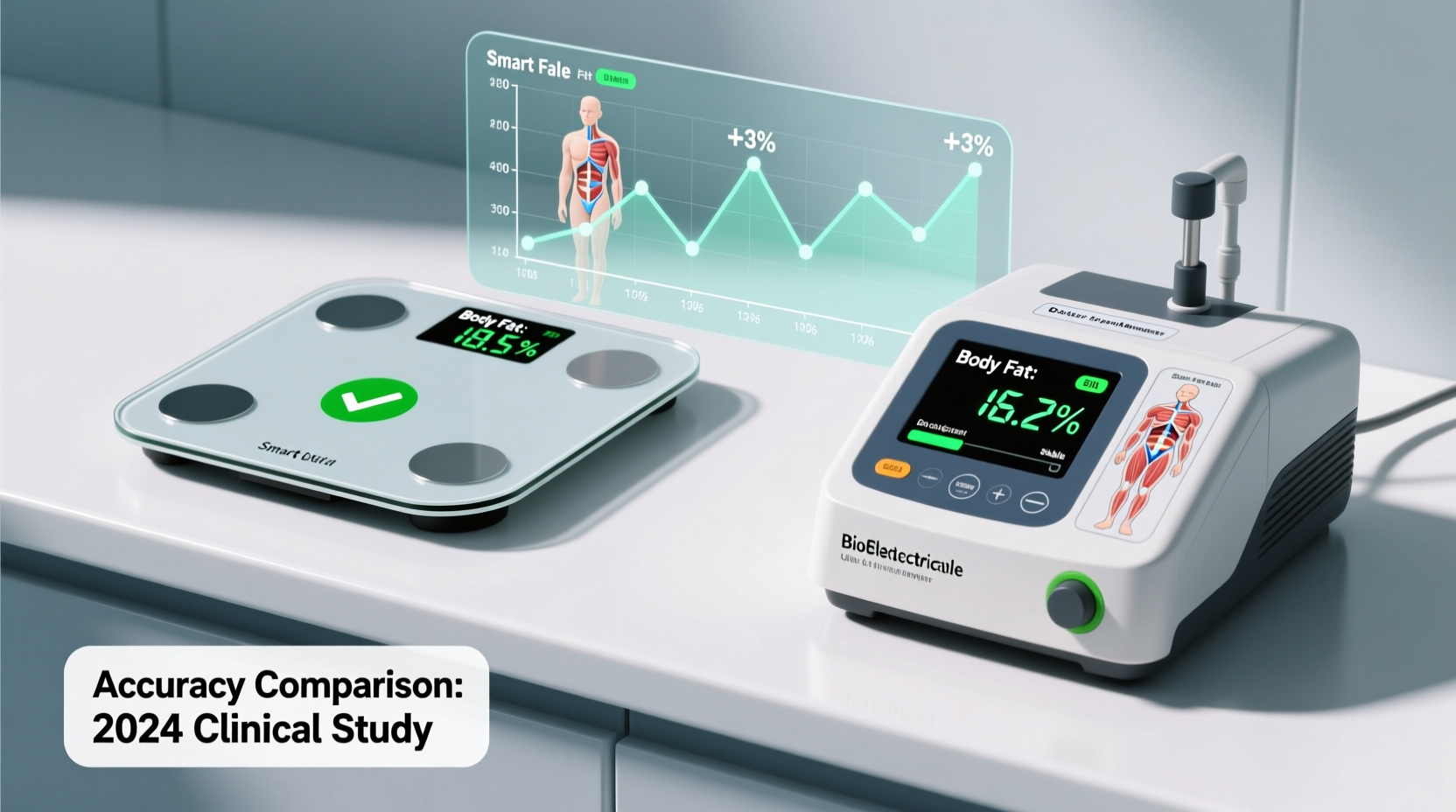
Most consumer smart scales use a method called bioelectrical impedance analysis (BIA). Here’s how it works: a small, safe electrical current passes through your body, typically from one foot to the other. Since fat tissue conducts electricity more slowly than muscle or water-rich tissues, the scale calculates resistance (impedance) and estimates body fat percentage using proprietary algorithms.
These algorithms consider user inputs such as age, height, gender, and sometimes activity level to refine the estimate. However, because BIA relies on assumptions about body composition and hydration, its accuracy can vary significantly based on several factors.
Tip: For the most consistent BIA readings, measure at the same time each day—preferably first thing in the morning after using the bathroom and before eating or drinking.Limits of Bioelectrical Impedance Analysis
BIA is not direct measurement—it’s an estimation. The key limitations include:
- Hydration status: Dehydration increases impedance, leading to overestimated body fat percentages. Even mild dehydration from exercise, alcohol, or caffeine can skew results.
- Time of day: Body water distribution fluctuates throughout the day. Evening readings often show higher fat percentages due to fluid retention.
- Foot placement: Inconsistent contact with electrodes affects current flow and thus results.
- Algorithm bias: Many manufacturers calibrate algorithms for average populations, which may not reflect individual physiology—especially for athletes or older adults.
A 2020 study published in Obesity Research & Clinical Practice found that while some high-end smart scales showed moderate correlation with DEXA scans (a gold standard), the margin of error could be as high as ±5% for body fat—meaning a reading of 20% might actually range from 15% to 25%.
Medical-Grade Tools: How Doctors Measure Body Composition
In clinical settings, healthcare professionals rely on more precise methods to assess body composition. These tools go beyond weight and provide detailed insights into fat, muscle, and bone mass.
Dual-Energy X-ray Absorptiometry (DEXA)
DEXA scans are considered the gold standard for body composition analysis. They use low-dose X-rays to differentiate between fat, lean tissue, and bone at various body sites. DEXA provides segmental analysis (e.g., arms, legs, trunk) and visceral fat estimates with high accuracy—often within ±2% of actual values.
Hydrostatic Weighing and Air Displacement Plethysmography (Bod Pod)
These methods measure body density by comparing weight in air versus water (hydrostatic) or air displacement (Bod Pod). Both are highly accurate but require specialized equipment and trained technicians. They’re typically used in research or elite athletic programs.
Calipers and Skinfold Measurements
Healthcare providers or fitness trainers may use skinfold calipers to pinch subcutaneous fat at specific sites. When performed by an experienced technician, this method can achieve reasonable accuracy (±3–4%), though results depend heavily on technique and consistency.
“While smart scales offer convenience, they should not replace clinical assessments for diagnosing obesity or metabolic risk.” — Dr. Rebecca Lin, Endocrinologist and Metabolic Health Specialist
Comparing Accuracy: Smart Scale vs Doctor’s Office
To understand the gap between home and clinical measurements, consider the following comparison:
| Metric | Smart Scale (BIA) | Clinical DEXA Scan | Skilled Caliper Use |
|---|---|---|---|
| Body Fat % Accuracy | ±3–5% (varies widely) | ±1–2% | ±3–4% |
| Visceral Fat Estimate | Indirect, algorithm-based | Direct, region-specific | Not measured |
| Muscle Mass Estimation | General estimate | Precise, regional breakdown | Not available |
| Cost & Accessibility | $30–$150, at-home use | $150–$400, clinic visit | $50–$100, trainer visit |
| User Skill Required | Low | High (technician) | Moderate to high |
The table illustrates a clear trade-off: smart scales win on convenience and frequency of use, while clinical tools deliver superior accuracy and diagnostic value.
Real-World Example: Tracking Progress Over Time
Consider Mark, a 38-year-old software engineer who started a fitness program aiming to lose fat and gain muscle. He bought a premium smart scale and began tracking daily. Over eight weeks, his smart scale showed a drop from 24% to 19% body fat—a seemingly impressive result.
Curious, he scheduled a DEXA scan at a local wellness clinic. The scan revealed his actual body fat was 22% at the start and 20% at the end—a much smaller change. While he had indeed lost fat, he also gained muscle, which altered water distribution and confused the BIA algorithm. The smart scale misinterpreted increased muscle hydration as fat loss, inflating progress.
This case highlights a crucial point: smart scales can detect trends, but absolute values should be interpreted cautiously. For individuals focused on long-term health or performance, occasional clinical validation is wise.
When to Trust Your Smart Scale—and When Not To
Smart scales are best used as trend-tracking tools rather than diagnostic instruments. If you're consistent in how and when you measure, day-to-day fluctuations can reveal useful patterns—even if the exact number isn't perfectly accurate.
Tips for Maximizing Smart Scale Reliability
Tip: Step on the scale barefoot with dry feet. Moisture improves conductivity and can artificially lower impedance, making body fat appear lower than it is.- Weigh at the same time daily: Morning, post-bathroom, pre-food/drink is ideal.
- Stay hydrated consistently: Avoid testing right after intense workouts or alcohol consumption.
- Use the same scale: Don’t switch between multiple devices, even of the same model.
- Input accurate personal data: Double-check age, height, and gender in the app settings.
- Average weekly readings: Focus on weekly averages instead of daily spikes or dips.
Also, remember that body composition changes slowly. A sudden 2% drop in one day is almost certainly due to fluid shifts, not fat loss.
Expert Recommendations and Best Practices
Rather than discarding your smart scale, experts suggest integrating it wisely into a broader health strategy.
“Think of your smart scale like a weather vane—it shows direction, not exact coordinates. Pair it with photos, measurements, and strength gains for a fuller picture.” — Jordan Tate, Certified Strength and Conditioning Specialist
Here’s a practical checklist to get the most out of your device without being misled:
Body Fat Tracking Checklist
- ✅ Measure every morning under consistent conditions
- ✅ Record data in an app or journal for trend analysis
- ✅ Take a clinical assessment (DEXA/Bod Pod) annually or semi-annually
- ✅ Combine scale data with waist circumference and progress photos
- ❌ Don’t panic over daily fluctuations
- ❌ Avoid comparing your smart scale to another person’s clinical result
Frequently Asked Questions
Can smart scales detect visceral fat accurately?
No. While many smart scales claim to estimate visceral fat, they do so indirectly using BIA data and population-based models. These estimates lack the precision of imaging techniques like DEXA or MRI. They may indicate general trends but shouldn’t be used for medical decision-making.
Why does my body fat percentage change drastically from morning to night?
Fluctuations are primarily due to fluid shifts. After meals, exercise, or sodium intake, your body retains water, increasing impedance and raising the reported fat percentage. This doesn’t mean you’ve gained fat—it’s temporary hydration variation.
Are more expensive smart scales more accurate?
Slightly, but not dramatically. Higher-end models may use better electrode placement (e.g., hand and foot contact via handlebars) for full-body BIA, improving estimates. However, they still rely on the same underlying technology and assumptions. No consumer-scale BIA device matches clinical tool accuracy.
Final Thoughts: Trust Trends, Not Numbers
Your smart scale can be a valuable tool—if used correctly. It won’t replace a doctor’s assessment, nor should it be the sole judge of your health. But when combined with consistent habits, periodic professional testing, and other indicators like energy levels and clothing fit, it becomes part of a holistic monitoring system.
The real power lies in pattern recognition. If your smart scale shows a gradual downward trend in body fat percentage over months, alongside improved fitness and waistline reduction, that’s meaningful progress—even if the starting number was off by a few percentage points.
For those managing chronic conditions, training for athletic performance, or seeking precise health insights, investing in a DEXA scan once or twice a year provides invaluable calibration. Use that data to contextualize your daily smart scale readings.
🚀 Take action today: Start logging your morning smart scale readings consistently for two weeks. Then, schedule a clinical body composition test to see how your numbers align. Knowledge is power—especially when it’s accurate.








