As pregnancy progresses into the second and third trimesters, changes in the body extend beyond visible growth—internal shifts affect circulation, breathing, and even safe sleeping positions. One of the most critical yet often overlooked recommendations from obstetricians is to avoid sleeping on your back, particularly after 20 weeks. While lying on your back may feel comfortable early in pregnancy, doing so later can pose serious risks to both mother and baby. Understanding the physiology behind this advice empowers expectant mothers to make informed choices that support a healthier pregnancy.
The Physiology Behind Back Sleeping Risks
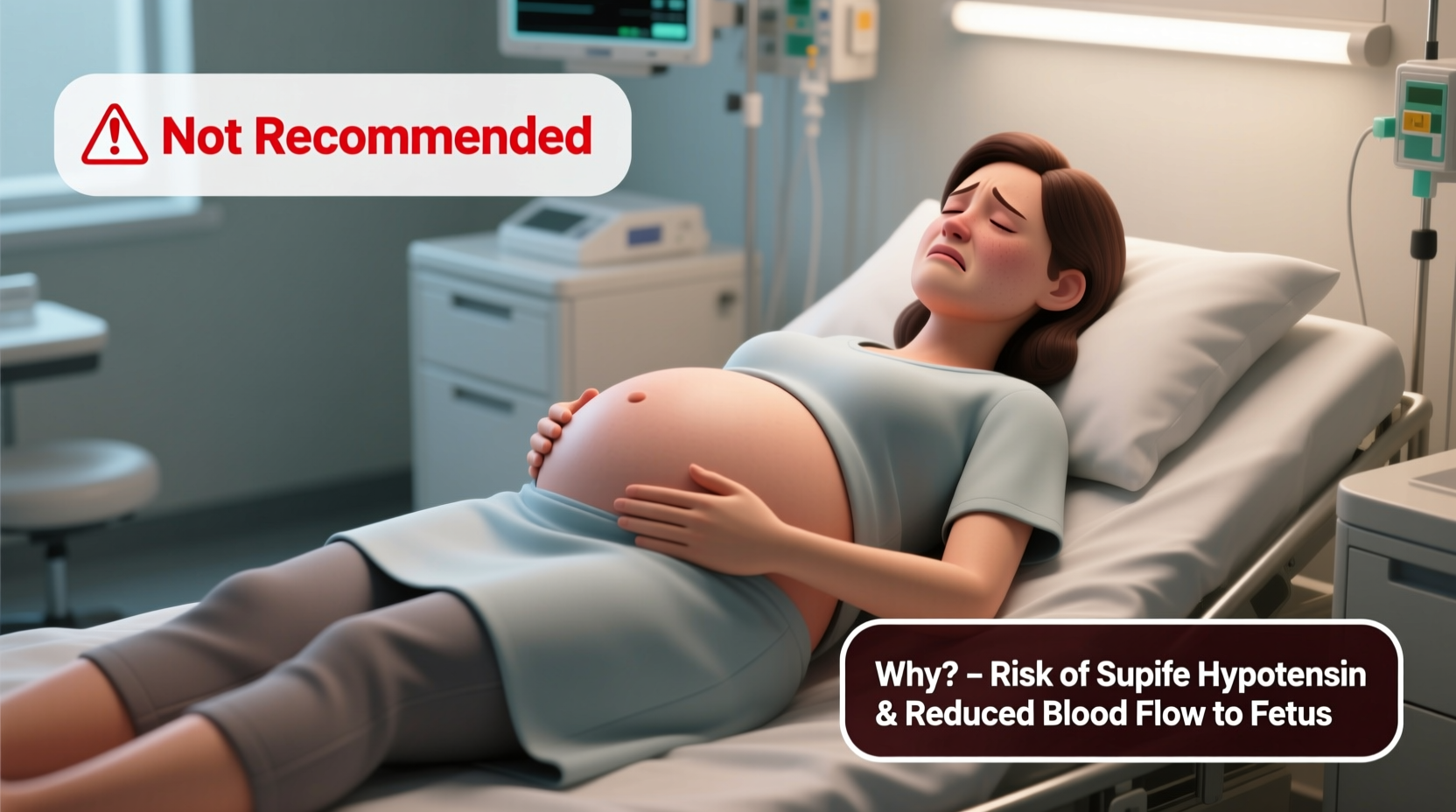
During late pregnancy, the growing uterus significantly increases in weight and size. By the third trimester, it can weigh several pounds and press directly on major blood vessels when a woman lies flat on her back. The primary concern involves compression of the inferior vena cava—a large vein that carries deoxygenated blood from the lower body back to the heart.
When this vessel is compressed, blood return to the heart decreases, leading to reduced cardiac output. This condition, known as supine hypotensive syndrome, can cause dizziness, nausea, shortness of breath, and even fainting in the mother. More importantly, diminished blood flow also means less oxygen and nutrients reach the placenta and developing fetus.
“After mid-pregnancy, lying supine can reduce uterine blood flow by up to 75% in some women. That’s a significant drop with potential consequences.” — Dr. Laura Chen, Maternal-Fetal Medicine Specialist
Studies have linked chronic back sleeping during late pregnancy with increased risks of stillbirth, intrauterine growth restriction (IUGR), and low birth weight. A landmark 2019 study published in *The Lancet* found that women who habitually slept on their backs in the third trimester had a two- to threefold higher risk of late stillbirth compared to those who slept on their sides.
Safer Alternatives: Optimal Sleep Positions During Pregnancy
The good news is that small adjustments in sleep posture can dramatically reduce these risks. Medical professionals widely recommend side-sleeping—particularly left-side sleeping—as the safest and most beneficial position during late pregnancy.
Left lateral positioning enhances circulation because it keeps the uterus off the inferior vena cava and improves kidney function, helping the body eliminate waste and fluids more efficiently. This can reduce swelling and lower the risk of preeclampsia.
Tip: If you wake up on your back, don’t panic—gently roll to your side. Occasional rolling is normal; the concern is prolonged or habitual back sleeping.Using Pillows for Support
Many pregnant women struggle with comfort due to back pain, hip pressure, and difficulty finding a stable position. Strategic use of pillows can help maintain side-sleeping alignment throughout the night.
- Belly pillow: Placed under the abdomen to support its weight and prevent spinal twisting.
- Between-the-knee pillow: Reduces hip strain and aligns the pelvis.
- Full-body pillow: Provides continuous support from head to feet, minimizing movement during sleep.
Do’s and Don’ts of Pregnancy Sleep Habits
| Do’s | Don’ts |
|---|---|
| Sleep on your left side whenever possible | Avoid lying flat on your back after 20 weeks |
| Use supportive pillows for alignment | Don’t ignore persistent shortness of breath at night |
| Elevate your upper body slightly if experiencing heartburn | Don’t go to bed immediately after large meals |
| Stay hydrated during the day (but reduce intake before bedtime) | Don’t restrict fluids entirely to avoid nighttime bathroom trips |
| Practice relaxing bedtime routines like gentle stretching or meditation | Don’t use sedatives or sleep aids without medical approval |
Real-Life Example: Sarah’s Third Trimester Adjustment
Sarah, a first-time mother at 32 weeks, began experiencing lightheadedness and fatigue upon waking. Her midwife asked about her sleep habits and discovered she often fell asleep reclining on the couch—on her back. After being educated about vena cava compression, Sarah switched to strict left-side sleeping using a full-body pillow. Within days, her morning dizziness subsided, and her next prenatal checkup showed improved fetal growth and amniotic fluid levels.
This case illustrates how a simple behavioral change, grounded in medical understanding, can lead to measurable improvements in maternal well-being and fetal outcomes.
Step-by-Step Guide to Transitioning to Side Sleeping
For women accustomed to back sleeping, shifting to side sleeping requires consistency and strategy. Follow this timeline to build a sustainable habit:
- Week 1: Awareness & Preparation
Create a sleep-friendly environment. Invest in a supportive mattress and a long body pillow. Practice side-sleeping during naps. - Week 2: Positional Training
Place a small pillow or rolled towel behind your back to discourage rolling. Use a wearable cue like a tennis ball sewn into the back of a sleep shirt (a method used in sleep apnea therapy). - Week 3: Nighttime Routine
Establish a calming pre-sleep ritual: warm bath, light reading, dim lighting. Lie down already positioned on your side. - Week 4: Monitoring Progress
Keep a brief sleep log noting position upon waking. Adjust pillow setup as needed. Consult your provider if discomfort persists.
Frequently Asked Questions
Can I sleep on my right side instead of the left?
Yes. While left-side sleeping is ideal due to optimal blood flow dynamics, sleeping on the right side is still far safer than lying on your back. The key is avoiding supine positioning. If left-side sleeping causes discomfort, alternating between left and right is acceptable.
What if I wake up on my back? Will it harm my baby?
No single episode of back sleeping is likely to cause harm. The risk comes from sustained compression over time. If you wake up on your back, simply reposition to your side. Most women naturally shift positions multiple times per night.
Are reclined chairs or sofas safe for sleeping during pregnancy?
Occasional dozing in a recliner is generally safe, but prolonged sleep in a semi-reclined position can still compress abdominal vessels. If you must nap sitting up, keep your knees lower than your hips and avoid fully flat backrests. For overnight sleep, always return to a side-lying position in bed.
Conclusion: Prioritizing Safety Through Simple Changes
Sleeping on your back during late pregnancy isn’t just uncomfortable—it can compromise blood flow essential to your baby’s development. The evidence is clear: side sleeping, especially on the left, supports better circulation, reduces complications, and contributes to a healthier pregnancy outcome. While changing long-standing sleep habits takes effort, the benefits far outweigh the adjustment period.
💬 Your choices matter—every night. Start tonight by positioning yourself safely and supporting both your health and your baby’s. Share this information with someone expecting—they might not know how much their sleep position can impact their pregnancy journey.








