
As skincare routines become more sophisticated, so does the attention to detail in product care. One of the most debated topics among beauty enthusiasts and dermatologists alike is whether serums should be stored in a skincare fridge or at room temperature. With active ingredients like vitamin C, retinol, hyaluronic acid, and peptides, serums are powerful but often sensitive. Improper storage can degrade their effectiveness—sometimes within weeks. The answer isn’t one-size-fits-all; it depends on formulation, climate, and ingredient stability. This guide breaks down the science, benefits, and risks of each storage method to help you make an informed decision.
The Science Behind Serum Stability
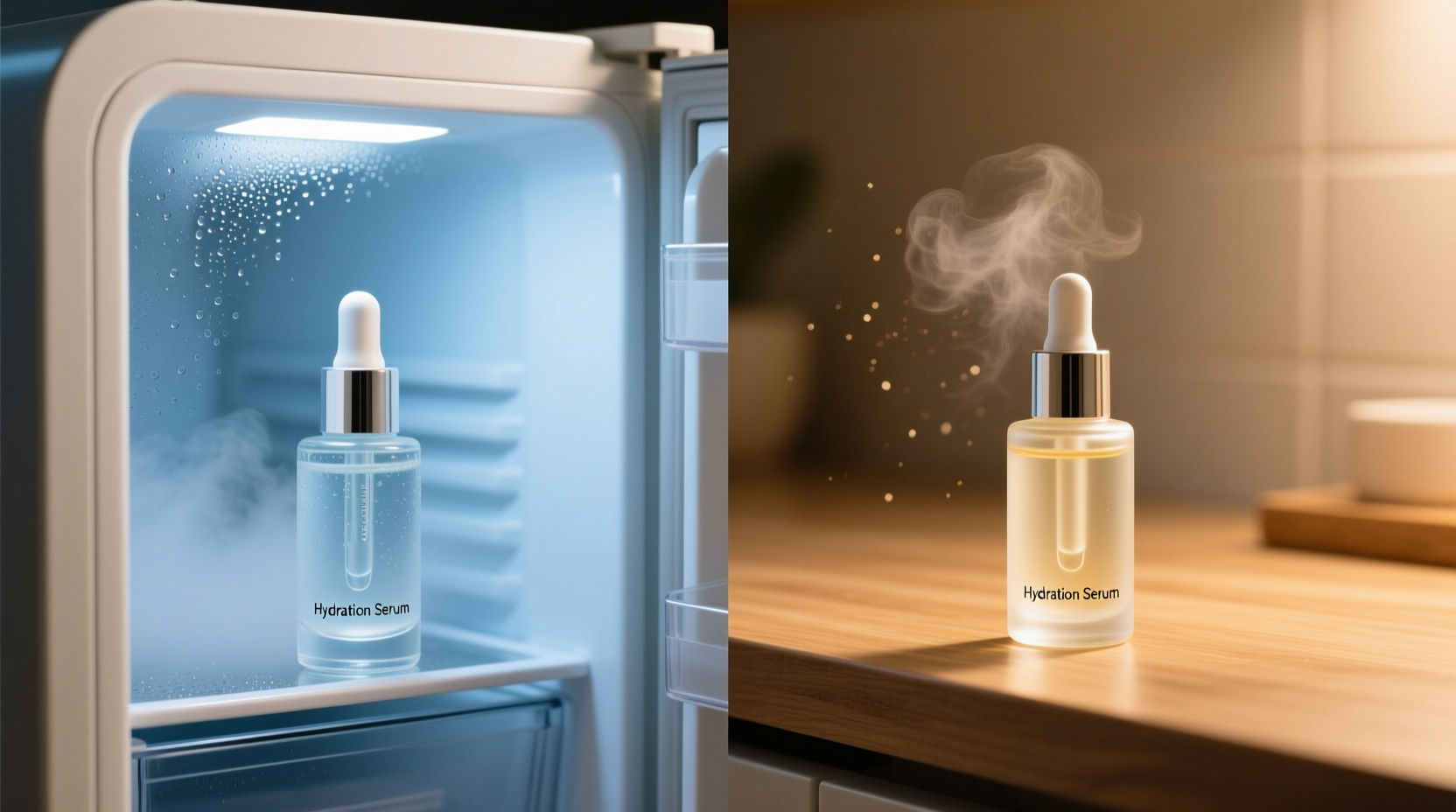
Serums are concentrated treatments designed to penetrate deeply into the skin. Their efficacy relies heavily on the integrity of active ingredients. Many of these compounds are unstable when exposed to heat, light, and air. For example:
- Vitamin C (L-ascorbic acid): Highly prone to oxidation, turning brown and losing potency when exposed to heat and oxygen.
- Retinol: Degrades rapidly under high temperatures and UV exposure, reducing its anti-aging benefits.
- Peptides: Can denature (break down) in extreme heat, rendering them ineffective.
- Hyaluronic acid: More stable, but may separate or grow bacteria if contaminated due to preservative breakdown.
Temperature plays a critical role in molecular stability. Chemical reactions—including degradation—accelerate with heat. According to the Arrhenius equation used in pharmaceutical science, for every 10°C increase in temperature, reaction rates can double. That means storing a serum in a hot bathroom cabinet could halve its effective lifespan.
“Serums containing antioxidants or proteins need cool, dark environments to maintain their structure and function.” — Dr. Lena Torres, Cosmetic Chemist & Formulation Specialist
Skincare Fridge: Benefits and Limitations
A dedicated skincare fridge—typically mini-fridges set between 4°C and 10°C—has gained popularity for preserving product freshness. But is it necessary for all serums?
When a Skincare Fridge Helps
Certain formulations benefit significantly from refrigeration:
- Vitamin C serums: Cold slows oxidation, helping maintain the clear, potent liquid longer.
- Probiotic or enzyme-based serums: Contain live cultures that degrade at room temperature.
- Unpreserved or low-preservative formulas: Often found in clean beauty brands; cold storage inhibits microbial growth.
- Peptide-rich serums: Cool temps help prevent peptide chain breakdown.
Additionally, chilled serums offer a sensory benefit: they feel refreshing on the skin, help reduce puffiness, and temporarily constrict blood vessels, giving a depuffing effect—especially useful in eye serums or morning routines.
When Refrigeration Isn’t Ideal
Not all serums thrive in the cold. Some issues include:
- Separation: Oils and water-based ingredients may separate when cooled and not fully re-emulsify upon warming.
- Thickening: Certain gels or water-based serums thicken in cold environments, making dispensing difficult.
- Condensation: Taking a cold bottle into a humid bathroom creates moisture on the surface, increasing contamination risk if hands or tools touch the opening.
- Ingredient crystallization: Rare, but possible with certain acids or high-concentration actives.
Room Temperature Storage: Is It Enough?
For many serums, room temperature storage is perfectly adequate—if done correctly. The key is understanding what “room temperature” really means.
Ideally, room temperature for skincare is between 15°C and 25°C (59°F–77°F), away from direct sunlight, humidity, and heat sources. A bedroom dresser or closet shelf is better than a steamy bathroom vanity.
Most commercially formulated serums are designed with stabilizers, antioxidants, and preservatives to withstand typical indoor conditions for their shelf life (usually 6–12 months after opening). Brands conduct stability testing under various conditions to ensure safety and performance.
Signs Your Room Temperature Storage Is Failing
- Change in color (e.g., vitamin C turning yellow or brown)
- Change in smell (sour, metallic, or rancid odor)
- Texture changes (grittiness, separation, clumping)
- Reduced efficacy (skin no longer responds as before)
If you live in a tropical or hot climate (consistently above 28°C/82°F), even stabilized serums may degrade faster. In such cases, refrigeration becomes less of a luxury and more of a necessity.
Comparison: Skincare Fridge vs Room Temperature
| Factor | Skincare Fridge (4–10°C) | Room Temperature (15–25°C) |
|---|---|---|
| Best for | Vitamin C, retinol, probiotics, peptide serums | Hyaluronic acid, niacinamide, stable antioxidant blends |
| Shelf Life Extension | Up to 2x longer for sensitive formulas | Standard expiration timeline applies |
| Risks | Condensation, separation, texture changes | Oxidation, microbial growth in humid areas |
| Convenience | Less convenient; requires dedicated appliance | Highly convenient; no extra steps |
| Cost | $50–$150 for mini-fridge + electricity | Free |
| Sensory Experience | Cool, refreshing application | Neutral temperature feel |
Step-by-Step Guide to Proper Serum Storage
Follow this practical sequence to maximize the life and performance of your serums:
- Read the label: Check for specific storage instructions. Some brands explicitly recommend refrigeration.
- Evaluate ingredients: Identify unstable components like L-ascorbic acid, retinoids, or live cultures.
- Assess your environment: Monitor humidity and temperature in your storage area. Use a hygrometer if needed.
- Choose location: Opt for a dark, dry, cool drawer or cabinet away from windows and showers.
- Decide on refrigeration: Reserve the fridge for high-risk serums only. Avoid storing all products there unnecessarily.
- Minimize contamination: Use clean hands or droppers. Never double-dip fingers.
- Label and rotate: Write opening dates on packaging. Use older serums first (first-in, first-out).
- Monitor changes: Inspect color, smell, and texture monthly.
Real-World Example: Sarah’s Vitamin C Dilemma
Sarah, a 34-year-old marketing executive in Miami, invested in a high-end vitamin C serum to brighten her sun-exposed skin. She stored it on her bathroom counter, where temperatures regularly exceeded 30°C due to daily showers. Within six weeks, the serum turned amber and began stinging upon application—a sign of oxidized ascorbic acid forming irritants.
After consulting a dermatologist, she switched to a smaller bottle and stored it in a mini skincare fridge kept in her bedroom. She also began applying it at night to reduce light exposure. The new bottle stayed clear for four months, and her skin showed visible radiance improvement. Her experience underscores how climate and storage directly impact results—even with premium products.
Checklist: Is Your Serum Storage Optimal?
- ✅ Store serums away from direct sunlight
- ✅ Keep lids tightly closed to limit air exposure
- ✅ Avoid humid zones like bathrooms unless sealed in a dry cabinet
- ✅ Separate refrigerated and room-temperature serums to prevent confusion
- ✅ Discard any serum with off-color, odor, or irritation
- ✅ Use opaque or amber glass bottles when possible—they block UV light
- ✅ Don’t store serums in cars or near heaters
Frequently Asked Questions
Can I put all my serums in the fridge?
Not recommended. While some benefit from cold storage, others may separate or thicken. Only refrigerate serums with unstable ingredients like vitamin C, retinol, or probiotics. Always check the manufacturer’s guidance first.
Does cold ruin skincare products?
Extreme cold (like freezing) can damage emulsions and alter textures. However, standard refrigerator temperatures (4–10°C) are generally safe for most serums. Avoid freezing and rapid temperature swings.
How long do serums last in the fridge?
Refrigeration can extend the usable life of sensitive serums by 3–6 months beyond their stated shelf life. For example, a vitamin C serum rated for 3 months at room temperature might remain effective for up to 6 months in the fridge—if uncontaminated and properly sealed.
Final Recommendations by Serum Type
Here’s a quick reference guide based on common serum types:
- Vitamin C: Refrigerate, especially if pure L-ascorbic acid. Use within 3 months opened.
- Retinol: Can be refrigerated in hot climates; otherwise, cool, dark drawer suffices.
- Hyaluronic Acid: Stable at room temperature. No fridge needed.
- Niacinamide: Very stable. Room temperature is ideal.
- Peptide Serums: Refrigeration recommended if formula lacks strong preservatives.
- Exfoliating Acids (AHA/BHA): Generally stable, but keep away from heat and light.
- Probiotic Serums: Must be refrigerated. Treat like perishable food.
Conclusion: Make Storage Part of Your Skincare Ritual
Where you store your serums is just as important as what you apply. The choice between a skincare fridge and room temperature isn’t about trends—it’s about chemistry, climate, and consistency. While not every serum needs refrigeration, understanding ingredient sensitivity empowers smarter decisions. In hot or humid environments, a skincare fridge can be a worthwhile investment. Elsewhere, disciplined room-temperature storage in optimal conditions delivers excellent results.
Protect your investment. Read labels, monitor changes, and prioritize stability over convenience. When your serums stay potent, your skin reaps the full rewards.
🚀 Ready to optimize your routine? Audit your current serum storage tonight—check colors, smells, and locations. Share your findings or questions in the comments below and help others preserve their skincare like pros.








