Cats are obligate carnivores, meaning their natural diet is high in protein and low in carbohydrates. However, a small but strategic amount of dietary fiber can significantly improve digestive function, regulate bowel movements, and even support weight management in overweight cats. While too much fiber can interfere with nutrient absorption, the right balance—especially soluble and fermentable fiber—can promote gut health, reduce hairball formation, and ease constipation. The key lies in introducing fiber gradually and thoughtfully into your cat’s meals using safe, vet-approved methods.
Why Fiber Matters for Feline Digestion
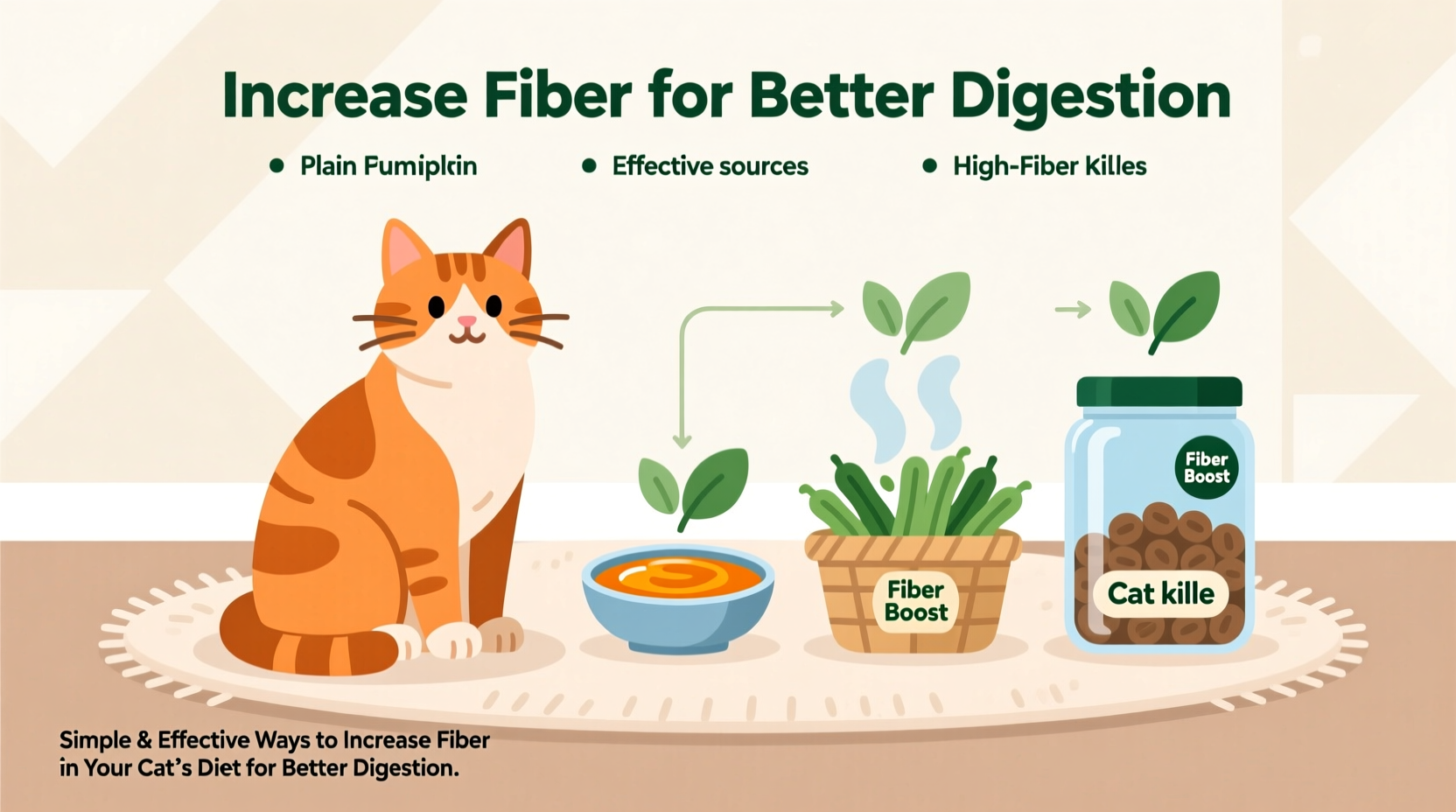
Fiber isn’t just for humans. In cats, it plays a subtle but vital role in gastrointestinal health. There are two main types: soluble and insoluble fiber. Soluble fiber dissolves in water and forms a gel-like substance in the gut, feeding beneficial bacteria and helping form well-shaped stools. Insoluble fiber adds bulk to stool and helps move material through the digestive tract, preventing constipation.
Common signs that your cat might benefit from more fiber include:
- Irregular bowel movements (constipation or diarrhea)
- Excessive hairballs
- Straining during defecation
- Overweight or obesity with normal appetite
Unlike dogs or humans, cats don’t require large amounts of fiber, but even a small addition—1–3% of dry matter in commercial diets—can make a noticeable difference in digestive regularity.
“While cats aren’t designed to process large amounts of plant material, targeted fiber supplementation can be a game-changer for cats with chronic constipation or hairball issues.” — Dr. Lena Torres, DVM, Feline Nutrition Specialist
Safe and Natural Sources of Fiber for Cats
The best way to increase fiber is through whole food additions or vet-recommended supplements. Avoid high-carb fillers like corn or wheat. Instead, focus on digestible, gentle sources that align with a cat’s natural metabolism.
Tip: Always introduce new fiber sources slowly—one teaspoon mixed into food over 5–7 days—to avoid gas or digestive upset.Here are some of the safest and most effective fiber boosters:
- Pumpkin (pure, canned): One tablespoon of plain, unsweetened canned pumpkin per meal provides both soluble and insoluble fiber. It’s especially effective for softening hard stools.
- Psyllium husk: A tasteless, soluble fiber that can be sprinkled on food (¼ tsp per 10 lbs body weight daily). Commonly used in hairball remedies.
- Boiled carrots (mashed): Low in sugar and high in fiber, but must be finely pureed to prevent choking.
- Green beans (steamed and mashed): A low-calorie option that adds bulk, helpful for weight-loss diets.
- Inulin or prebiotic supplements: Found in some veterinary diets, these feed good gut bacteria and improve overall microbiome balance.
Step-by-Step Guide to Adding Fiber Safely
Introducing fiber incorrectly can lead to bloating, gas, or worsened constipation. Follow this timeline to ensure a smooth transition:
- Day 1–2: Assess your cat’s current diet. Check the fiber content on the label of their kibble or wet food. Look for “crude fiber” percentage (typically 1–3% in maintenance diets).
- Day 3: Choose one fiber source (e.g., canned pumpkin). Start with ½ teaspoon mixed into one meal.
- Day 4–5: Monitor stool consistency and frequency. If no changes, increase to 1 teaspoon once daily.
- Day 6–7: Evaluate results. Soft stools may indicate too much fiber; dry, hard stools suggest you can increase slightly.
- Week 2 onward: Maintain the effective dose. Reassess after 2 weeks. For ongoing issues, consult your veterinarian about specialized high-fiber prescription diets.
Do’s and Don’ts When Adding Fiber
| Do’s | Don’ts |
|---|---|
| Use plain, unsweetened canned pumpkin (not pie filling) | Use raw vegetables—they’re hard to digest and pose a choking risk |
| Add fiber gradually over 5–7 days | Introduce multiple fiber sources at once |
| Ensure your cat has constant access to fresh water | Ignore signs of discomfort like vomiting or lethargy |
| Choose supplements specifically formulated for cats when possible | Give human fiber supplements without veterinary approval |
| Monitor litter box habits daily | Assume all digestive issues are due to low fiber—other conditions like megacolon or IBD require medical diagnosis |
Real-Life Example: Managing Chronic Hairballs
Sophie, a 7-year-old long-haired domestic shorthair, was brought to her vet after frequent retching and producing hairballs twice a week. Her owner fed her a standard grain-free kibble but noticed she groomed excessively. After ruling out gastrointestinal disease, the vet recommended adding 1 tsp of canned pumpkin daily and switching to a hairball-control wet food with added psyllium.
Within three weeks, Sophie’s hairball episodes dropped to once every few weeks. Her stools became more consistent, and her coat remained shiny. The owner also increased brushing to five times a week, which complemented the dietary change. This case highlights how combining fiber with physical grooming can yield better results than diet alone.
Checklist: How to Optimize Fiber in Your Cat’s Diet
Use this checklist to ensure you're enhancing fiber safely and effectively:
- ☑️ Consult your vet before making dietary changes, especially if your cat has kidney disease or diabetes
- ☑️ Read pet food labels—look for “pumpkin,” “psyllium,” or “beet pulp” in ingredients
- ☑️ Start with small amounts (½ tsp) of fiber-rich additives
- ☑️ Mix fiber into wet food for easier consumption
- ☑️ Increase water intake—fiber works best with adequate hydration
- ☑️ Monitor stool quality daily for the first two weeks
- ☑️ Rotate fiber sources occasionally to support diverse gut flora
- ☑️ Schedule a follow-up if no improvement in 4 weeks
Frequently Asked Questions
Can too much fiber harm my cat?
Yes. Excessive fiber can lead to loose stools, reduced nutrient absorption, and decreased appetite. Long-term over-supplementation may contribute to deficiencies in fat-soluble vitamins. Stick to recommended doses and always monitor your cat’s response.
Is canned pumpkin safe every day?
Yes, plain canned pumpkin is generally safe for daily use in moderate amounts (1 tsp for small cats, up to 1 tbsp for larger ones). Avoid pumpkin pie filling, which contains sugar, spices, and potentially toxic ingredients like xylitol.
What’s the difference between fiber in wet vs. dry food?
Dry foods often contain higher crude fiber percentages due to plant-based binders and fillers. Wet foods typically have less fiber but are more hydrating, which supports digestion. Some therapeutic wet diets (e.g., for hairballs or sensitive stomachs) are formulated with optimal fiber levels and may be more effective than adding supplements to regular food.
Final Thoughts and Next Steps
Improving your cat’s digestion doesn’t require drastic changes. Often, a small, consistent addition of fiber—paired with proper hydration and routine veterinary care—can resolve common issues like constipation and hairballs. The goal isn’t to turn your cat into a herbivore, but to fine-tune their carnivorous diet with functional components that support long-term gut health.
Every cat is different. What works for one may not suit another. Pay attention to subtle shifts in behavior, appetite, and litter box habits. When in doubt, partner with your veterinarian to tailor a plan that fits your cat’s age, weight, and medical history.
🚀 Ready to improve your cat’s digestion? Start tonight by mixing a half-teaspoon of plain canned pumpkin into their dinner. Track changes for a week, then adjust as needed. Share your experience or questions in the comments below—your journey could help another cat parent find relief!








