Removing contact lenses is a routine part of eye care for millions of people, yet many do so incorrectly—putting their eye health at risk. Improper removal can lead to scratched corneas, torn lenses, or even infections. The key lies not just in knowing how to remove them, but in doing so safely, comfortably, and consistently. This guide outlines expert-backed techniques that prioritize both ocular health and lens longevity, ensuring your daily routine supports clear vision and long-term comfort.
Why Proper Lens Removal Matters
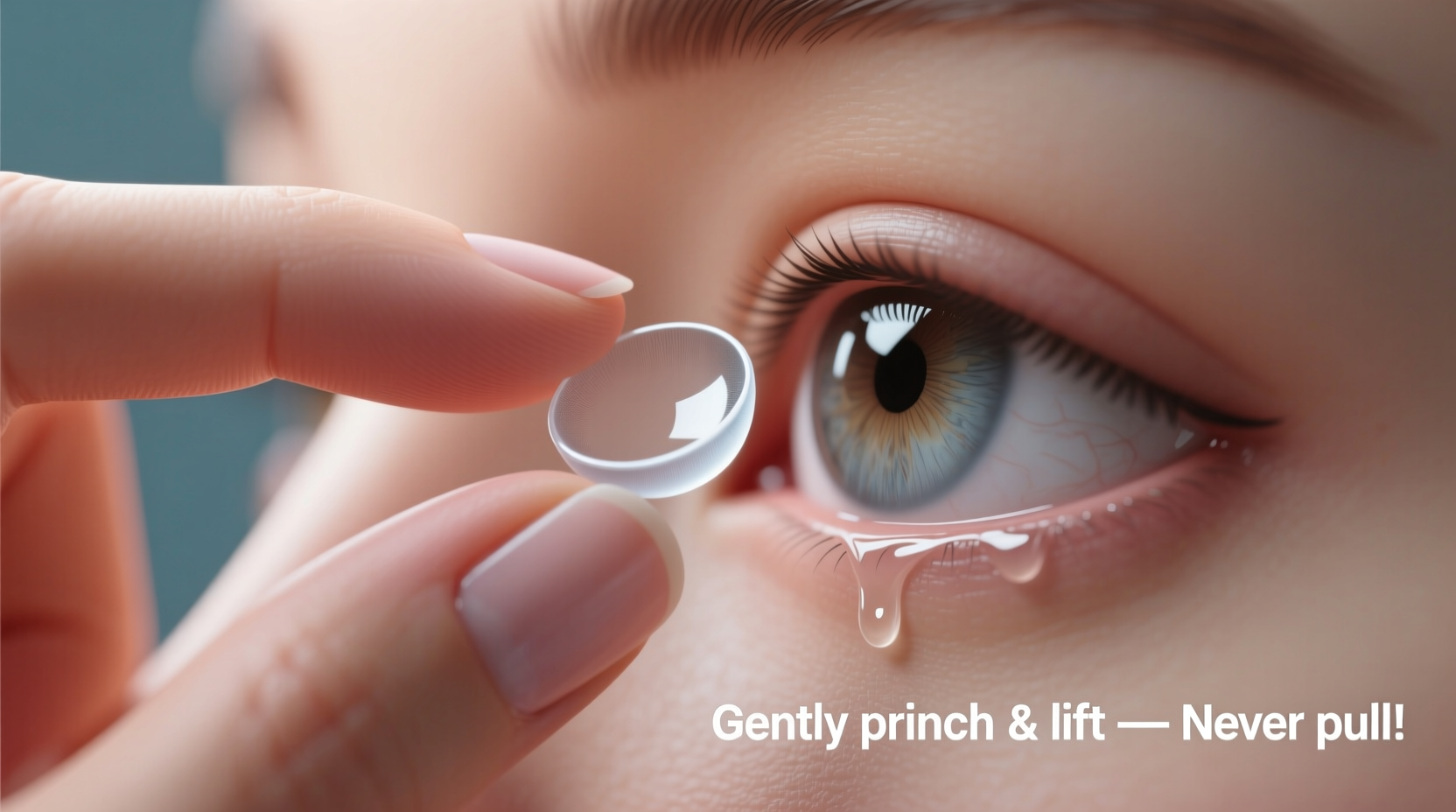
Contact lenses rest directly on the cornea, making them highly sensitive to contamination and mechanical stress. When removed improperly, they can trap debris against the eye, cause micro-abrasions, or deform the lens material. Over time, poor habits may contribute to dry eye syndrome, inflammation, or microbial keratitis—an infection that can threaten vision.
Equally important is preserving the lens itself. Soft lenses are delicate; pinching or folding them incorrectly during removal can cause permanent warping or tearing, especially with frequent reuse. Daily wearers who don’t follow best practices often find themselves replacing lenses prematurely due to avoidable damage.
“Many patients come in with irritation simply because they’re removing their lenses too aggressively. A gentle touch goes a long way in protecting both the eye and the lens.” — Dr. Lena Torres, Optometrist and Corneal Specialist
Step-by-Step Guide to Safe Lens Removal
Following a consistent, methodical process reduces errors and builds muscle memory. Use this timeline each time you remove your lenses:
- Wash and dry your hands thoroughly. Use unscented soap and lint-free towels to avoid transferring chemicals or fibers to your eyes.
- Prepare your storage case. Fill it with fresh solution before touching your lenses. Never reuse old solution.
- Check your lens position. Look in the mirror and blink gently to center the lens. If it feels stuck, close your eye and roll it gently under the lid to reposition.
- Lift the lower eyelid. Use your non-dominant hand’s middle finger to pull down the lower lid firmly but gently.
- Stabilize the upper lid. Use your dominant hand’s index finger to hold the upper lid open, preventing blinking.
- Approach the lens. Bring your dominant hand’s index finger and thumb close to the eye, aiming just below the lens edge.
- Pinch gently. Touch the bottom edge of the lens with your index finger and press lightly to break suction, then pinch between finger and thumb to lift it off the eye.
- Inspect and store. Check the lens for tears or debris, then place it in the case with fresh solution.
- Repeat for the other eye. Always remove the same lens first (e.g., right eye) to avoid confusion.
- Wash hands again if needed. Especially if you touched your face or hair during the process.
Do’s and Don’ts of Contact Lens Removal
| Do’s | Don’ts |
|---|---|
| Wash hands with fragrance-free soap | Use oily or lotion-based soaps |
| Dry hands with a clean, lint-free towel | Touch lenses with wet hands |
| Remove lenses before showering or swimming | Remove lenses in the bathroom near sinks or showers (risk of water exposure) |
| Use rewetting drops if eyes feel dry | Force a stuck lens off the eye |
| Store lenses in fresh solution daily | Place lenses on tissue paper or exposed surfaces |
| Trim fingernails short and smooth | Use long or jagged nails near the eye |
Common Challenges and How to Handle Them
Even experienced wearers encounter issues. Understanding how to respond calmly prevents injury and preserves lens integrity.
- Lens feels stuck: This usually happens when the eye is dry. Close your eye and slowly roll it in all directions. Apply two to three drops of saline solution and wait 30 seconds before trying again.
- Lens folds or tears during removal: Avoid pulling from one edge. Instead, aim to slide your finger under the edge first to release suction evenly.
- Blurry vision after removal: May indicate a piece of lens remains in the eye. Rinse with saline and check under the eyelids. If discomfort persists, consult an eye professional.
- Frequent lens breakage: Could be due to dry eyes, rough handling, or aging lens material. Consider switching to daily disposables or consulting your optometrist about better-suited options.
Mini Case Study: Recovering from Repeated Irritation
Sophia, a 28-year-old graphic designer, wore monthly silicone hydrogel lenses and frequently experienced redness and discomfort after removal. She visited her optometrist after noticing small abrasions on her cornea. Upon review, it was discovered she was using heavily scented hand soap and removing lenses over her sink—where water spray could contaminate them. Additionally, she used long acrylic nails, which made precise handling difficult.
After switching to fragrance-free soap, trimming her nails, and moving lens removal to a clean table surface, her symptoms resolved within two weeks. Her doctor also recommended daily disposables to reduce buildup and handling frequency. Sophia now reports greater comfort and confidence in her lens care routine.
Essential Tips for Long-Term Comfort and Safety
Tip: Always sit or stand in front of a well-lit mirror with good visibility. Natural light or bright overhead lighting helps track lens movement.- Use lubricating eye drops before removal if you suffer from dry eyes. This softens the seal between the lens and cornea, reducing friction.
- Avoid multitasking while removing lenses. Distractions increase the risk of accidental poking or dropping.
- Keep your lens case clean. Replace it every three months and rinse it daily with solution—not tap water.
- Never use saliva to moisten fingers. It introduces bacteria like Streptococcus directly into the eye.
- Consider switching to daily disposables if handling is difficult. They eliminate cleaning and reduce physical manipulation.
FAQ
Can I remove my contacts with long nails?
It's strongly discouraged. Long or artificial nails can harbor bacteria and make it difficult to handle lenses gently. If you must, file them smooth and keep them very short at the tips to minimize risk.
What should I do if I drop a lens?
If it falls on a clean surface, rinse it thoroughly with multipurpose solution before reinserting. If it lands on the floor or a contaminated area, discard it—especially if it’s a daily disposable. Never clean it with water.
Is it safe to sleep in my contacts if I forget to remove them?
No. Sleeping in lenses not designed for overnight wear drastically increases the risk of hypoxia (oxygen deprivation) and infection. Even if you wake up feeling fine, remove them immediately and allow your eyes to rest before reinserting.
Final Checklist: Your Lens Removal Routine
- Hands washed and dried with lint-free towel ✅
- Nails clean, short, and smooth ✅
- Lens case filled with fresh solution ✅
- Proper lighting and mirror available ✅
- Lower and upper lids stabilized during removal ✅
- Lens pinched gently from the side, not pulled from center ✅
- Lens inspected and stored immediately ✅
- No water exposure during process ✅
Conclusion
Taking out contact lenses may seem like a simple task, but doing it correctly safeguards your vision, comfort, and investment in your eye health. By adopting these safe, deliberate techniques, you minimize risks and build a sustainable habit that supports lifelong eye wellness. Whether you're new to contacts or have worn them for years, refining your removal method is always worthwhile.
💬 Have a tip that made lens removal easier for you? Share your experience in the comments and help others maintain healthier, more comfortable vision care routines.








