
For millions dealing with thinning hair or early-stage alopecia, the search for effective treatments often leads to a crossroads: pharmaceutical solutions like minoxidil or natural alternatives such as rosemary oil. While minoxidil has long been the gold standard in over-the-counter hair regrowth, growing interest in holistic wellness has elevated rosemary oil as a compelling contender. But how do they truly compare? This article dives deep into both options—examining scientific evidence, mechanisms of action, safety profiles, and practical application—to help you make an informed decision about your hair growth journey.
Understanding the Mechanisms: How Minoxidil Works
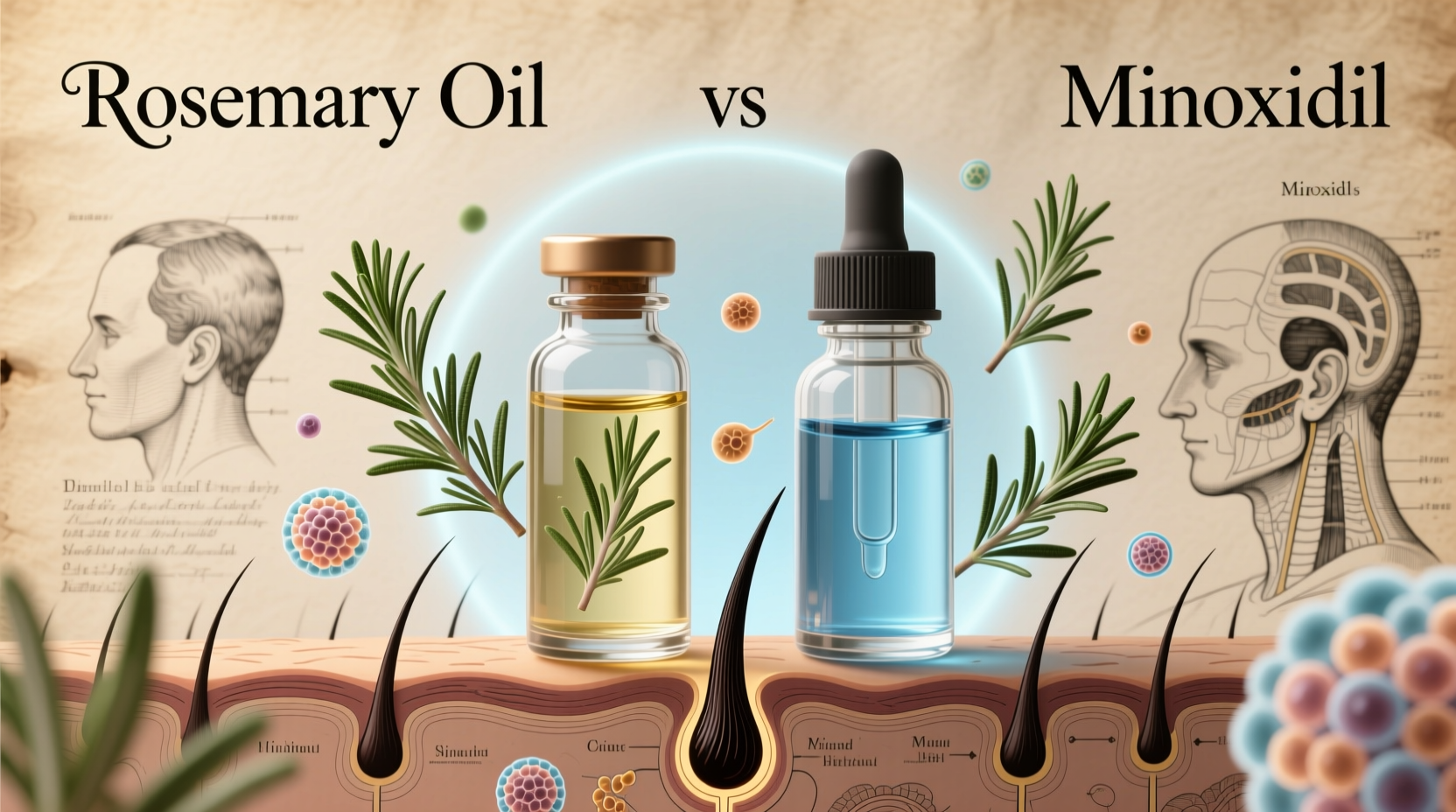
Minoxidil is a vasodilator originally developed to treat high blood pressure. Its hair growth benefits were discovered incidentally when patients using oral minoxidil reported increased scalp hair. Today, it’s FDA-approved for treating androgenetic alopecia (male and female pattern baldness) in topical form.
The exact mechanism remains partially understood, but research suggests that minoxidil:
- Opens potassium channels in hair follicles, potentially prolonging the anagen (growth) phase.
- Increases blood flow to the scalp, delivering more oxygen and nutrients to hair follicles.
- May stimulate dermal papilla cells, which play a key role in regulating hair growth cycles.
Clinical trials show that 5% minoxidil solution applied twice daily can lead to noticeable hair regrowth in up to 48% of men after one year. Women may benefit from lower concentrations (2%) to reduce the risk of facial hair growth, though some opt for 5% under medical supervision.
“Minoxidil remains the most well-researched topical treatment for pattern hair loss. It won’t work for everyone, but when it does, results are measurable and reproducible.” — Dr. Laura Chen, Board-Certified Dermatologist
Rosemary Oil: Nature’s Answer to Hair Regrowth?
Rosemary (Rosmarinus officinalis) has been used for centuries in traditional medicine for circulation and cognitive health. More recently, its essential oil has gained attention for promoting scalp health and stimulating hair growth.
A pivotal 2015 study published in *Skinmed* compared rosemary oil to 2% minoxidil in participants with androgenetic alopecia. After six months, both groups showed statistically significant improvements in hair count—with no major difference between the two. Notably, the rosemary group reported less scalp itching, a common side effect of minoxidil.
The active compounds in rosemary oil—carnosic acid, rosmarinic acid, and antioxidants—appear to contribute to its efficacy by:
- Reducing oxidative stress in hair follicles.
- Inhibiting dihydrotestosterone (DHT), a hormone linked to hair miniaturization.
- Improving microcirculation in the scalp through anti-inflammatory effects.
Unlike minoxidil, rosemary oil doesn’t require a prescription and carries fewer systemic risks. However, it lacks long-term clinical validation and standardized dosing protocols.
Tip: Always dilute rosemary essential oil with a carrier oil (like jojoba or coconut oil) before applying to the scalp—typically 3–5 drops per tablespoon of carrier oil—to prevent irritation.Direct Comparison: Rosemary Oil vs Minoxidil
| Feature | Minoxidil (5%) | Rosemary Oil (Diluted) |
|---|---|---|
| Approval Status | FDA-approved for male and female pattern hair loss | No regulatory approval; considered complementary therapy |
| Application Frequency | Twice daily | Once or twice daily (varies by regimen) |
| Onset of Results | Visible at 3–6 months; peak at 12 months | Noticeable changes around 6 months |
| Side Effects | Scalp irritation, dryness, initial shedding, rare cardiovascular effects | Minimal; possible allergic reaction or contact dermatitis |
| Cost (Monthly) | $20–$40 depending on brand | $10–$25 (essential + carrier oil) |
| Long-Term Use Required? | Yes—results reverse if discontinued | Likely yes, though data is limited |
| Scientific Backing | Extensive clinical trials and meta-analyses | Limited human studies; promising preliminary data
While rosemary oil holds promise, especially for those seeking natural alternatives, it currently lacks the breadth of peer-reviewed research supporting minoxidil. That said, its favorable safety profile and comparable short-term outcomes make it a viable option—particularly for individuals sensitive to synthetic chemicals or wary of long-term pharmaceutical use.
Real-World Experience: A Mini Case Study
Sophia, a 34-year-old teacher from Portland, began noticing increased hair shedding after her second pregnancy. Hesitant to start minoxidil due to concerns about dependency and potential side effects, she opted for a natural approach. Under the guidance of a naturopath, she began massaging diluted rosemary oil into her scalp five times per week, combined with biotin supplementation and improved sleep hygiene.
After four months, Sophia noticed reduced shedding and slightly thicker ponytail volume. By month six, her hairstylist commented on visible fullness at the crown. She continues the routine today, nearly a year later, without adverse effects. “I don’t know if I’d see faster results with minoxidil,” she says, “but I feel good knowing I’m using something plant-based and gentle.”
Sophia’s experience reflects a growing trend: people prioritizing holistic health while still demanding tangible results. Her success, however, was not isolated—it relied on consistency, proper dilution, and complementary lifestyle changes.
Step-by-Step Guide to Using Rosemary Oil Safely and Effectively
If you're considering rosemary oil as a hair growth aid, follow this science-informed protocol:
- Patch Test First: Apply a small amount of diluted oil (1 drop rosemary + 1 tsp carrier oil) behind your ear or on the inner forearm. Wait 24 hours to rule out allergic reactions.
- Choose Quality Oils: Select 100% pure, therapeutic-grade rosemary essential oil and a non-comedogenic carrier oil like jojoba, argan, or grapeseed.
- Dilute Properly: Mix 3–5 drops of rosemary oil per tablespoon of carrier oil. Never apply undiluted essential oils directly to the scalp.
- Apply with Massage: Use fingertips to massage the blend into thinning areas for 5–10 minutes. This boosts circulation and ensures even distribution.
- Leave In or Rinse Out: Some leave the oil overnight (as a pre-shampoo treatment); others rinse after 30–60 minutes. Both methods are used successfully.
- Consistency is Key: Apply at least 4–5 times weekly for minimum six months before evaluating results.
- Monitor Progress: Take monthly photos under consistent lighting and track changes in shedding, density, and styling ease.
Combination Approaches: Can You Use Both?
Some users combine rosemary oil with minoxidil to leverage both pharmacological and natural benefits. However, caution is advised:
- Timing Matters: Avoid applying both simultaneously, as ingredients may interact or increase irritation risk. Try using rosemary oil at night and minoxidil in the morning.
- Watch for Sensitivity: Combining two active treatments can exacerbate dryness or flaking. Introduce one at a time and monitor your scalp’s response.
- Supportive Therapies: Consider adding low-level laser therapy (LLLT), microneedling, or dietary optimization (iron, zinc, vitamin D) to enhance outcomes regardless of your primary method.
There is no definitive evidence that combining rosemary oil and minoxidil increases efficacy beyond either alone, but anecdotal reports suggest synergistic potential—especially in improving scalp health alongside follicle stimulation.
Frequently Asked Questions
Can rosemary oil replace minoxidil completely?
For mild hair thinning or early-stage alopecia, rosemary oil may offer comparable results over time. However, in moderate to severe cases, it’s unlikely to match minoxidil’s regrowth capacity. It can serve as a preventive measure or maintenance tool, but should not be viewed as a guaranteed substitute without medical consultation.
How long does it take to see results with rosemary oil?
Most users report reduced shedding within 2–3 months. Visible regrowth typically appears around the 5–6 month mark, similar to minoxidil. Patience and consistent application are critical—abandoning the routine too early will yield no results.
Is rosemary oil safe for color-treated or sensitive scalps?
When properly diluted, rosemary oil is generally safe for color-treated hair. However, those with sensitive skin or conditions like eczema or psoriasis should proceed cautiously. Discontinue use if redness, burning, or flaking occurs. Performing a patch test is essential.
Action Plan Checklist
Whether you choose rosemary oil, minoxidil, or a hybrid approach, use this checklist to stay on track:
- ☑ Consult a dermatologist or trichologist to confirm diagnosis and rule out underlying conditions (e.g., thyroid issues, iron deficiency).
- ☑ Choose a high-quality product—pharmaceutical-grade minoxidil or pure, additive-free rosemary essential oil.
- ☑ Establish a consistent application schedule and set reminders.
- ☑ Begin with a patch test to assess tolerance.
- ☑ Track progress with monthly photos and notes on shedding and texture.
- ☑ Combine with healthy habits: balanced diet, stress management, adequate sleep.
- ☑ Reassess results at 6 months and adjust strategy if needed.
Conclusion: Making the Right Choice for You
The debate between rosemary oil and minoxidil isn’t about declaring a single winner—it’s about aligning treatment with personal values, health goals, and medical needs. Minoxidil offers proven, measurable results backed by decades of research, making it a reliable choice for those seeking maximum regrowth potential. Rosemary oil provides a gentler, natural alternative with emerging evidence of efficacy and minimal side effects, ideal for prevention, early intervention, or integrative care.
Ultimately, the best approach is one you can sustain long-term—one that fits your lifestyle, respects your body’s signals, and delivers visible improvement without compromising well-being. Whether you reach for the pharmacy bottle or the essential oil dropper, consistency, patience, and informed choices remain the true keys to success.
🚀 Ready to take control of your hair health? Start today—choose your path, commit to a routine, and document your journey. Share your experiences in the comments to inspire others on the same road to stronger, fuller hair.








