Rosemary oil has emerged as one of the most promising natural remedies for hair loss and thinning. Backed by both traditional use and modern research, this essential oil is praised not only for its invigorating scent but also for its ability to stimulate hair follicles, improve circulation to the scalp, and reduce inflammation that can contribute to hair loss. Unlike harsh chemical treatments, rosemary oil offers a gentler alternative with minimal side effects—when used correctly. But how long does it take to see results? And what’s the most effective way to apply it? This guide breaks down the science, sets realistic expectations, and provides a clear, actionable plan for integrating rosemary oil into your hair care routine.
The Science Behind Rosemary Oil and Hair Growth
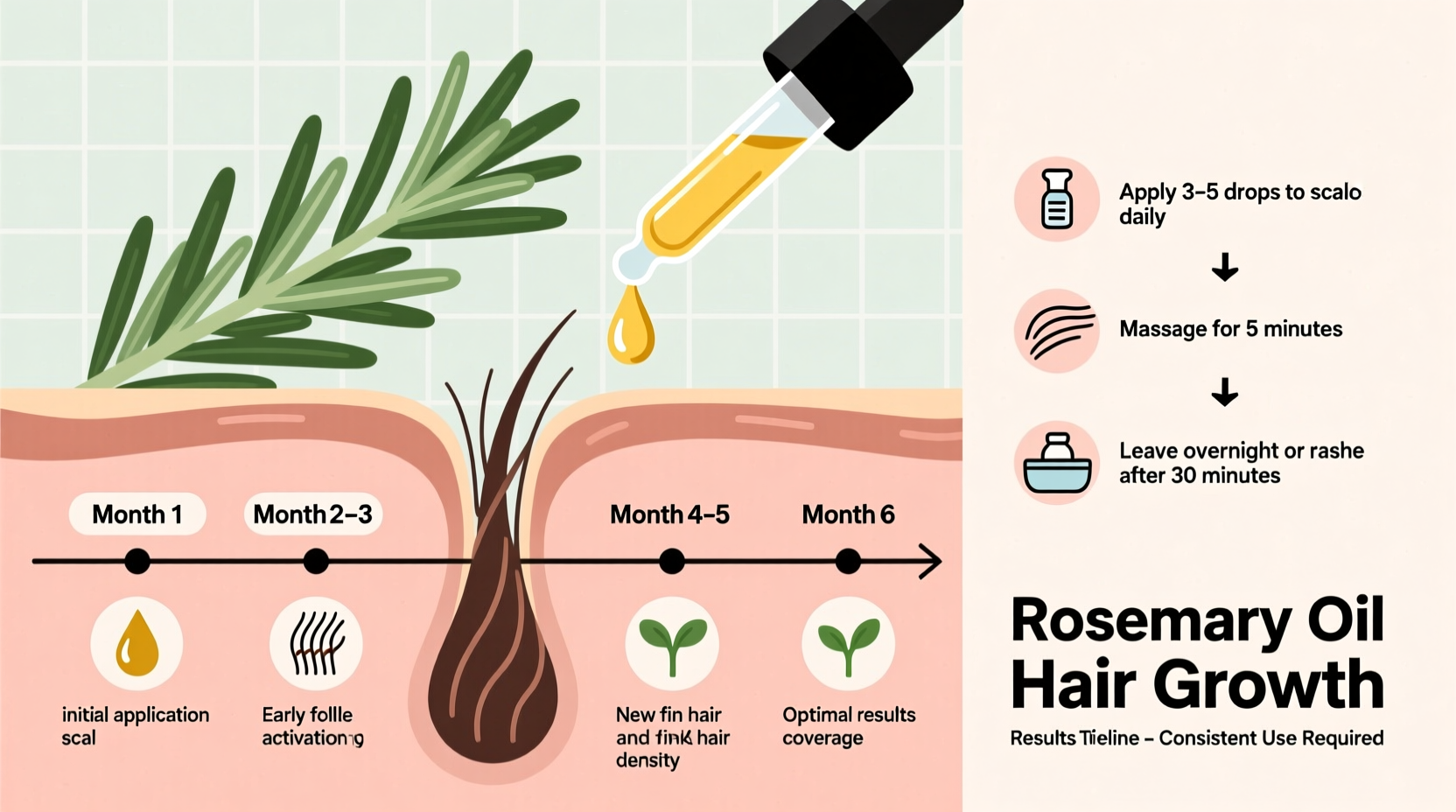
Rosemary (Rosmarinus officinalis) contains bioactive compounds such as carnosic acid, rosmarinic acid, and antioxidants that play a key role in supporting scalp health. Carnosic acid, in particular, has been shown in studies to help repair tissue damage and stimulate nerve growth factor, which may encourage dormant hair follicles to re-enter the growth phase.
A 2015 clinical study published in *Skinmed* compared the effectiveness of rosemary oil to minoxidil, a common FDA-approved treatment for androgenetic alopecia. After six months of twice-daily application, both groups showed significant improvement in hair count, with no statistically significant difference between the two. Notably, the rosemary oil group reported less scalp itching—a common side effect of minoxidil.
“Rosemary oil shows real potential as a natural alternative to conventional hair loss treatments. Its anti-inflammatory and microcirculation-enhancing properties make it particularly suitable for those with sensitive scalps.” — Dr. Lena Patel, Trichologist and Integrative Dermatology Specialist
The mechanism appears to be twofold: rosemary oil increases blood flow to the scalp, delivering more oxygen and nutrients to hair follicles, while also protecting against oxidative stress caused by free radicals. Additionally, its antimicrobial properties help maintain a clean, balanced scalp environment—critical for preventing clogged follicles and dandruff-related shedding.
Realistic Results Timeline: What to Expect and When
One of the most common misconceptions about natural hair growth treatments is the expectation of immediate results. Hair grows slowly, typically at a rate of about 0.5 inches (1.25 cm) per month. Even the most effective treatments require consistent use over time. Here’s a realistic breakdown of what you can expect when using rosemary oil:
| Time Period | What Happens | Observable Signs |
|---|---|---|
| Weeks 1–4 | Improved scalp circulation; reduced inflammation; early strengthening of existing hairs. | Fewer hairs on brush or in shower drain; less flakiness. |
| Weeks 5–8 | Reduction in shedding; some users notice improved shine and texture. | Thicker appearance; reduced scalp sensitivity. |
| Weeks 9–16 | Transition of resting follicles into growth phase; new baby hairs may emerge along the hairline or part. | Peach fuzz or fine hairs visible in thinning areas. |
| Months 4–6 | Sustained growth; increased density in previously thin zones. | Measurable length gain; better coverage in parts and temples. |
It's important to note that individual results vary based on factors like genetics, underlying health conditions (such as thyroid imbalances or PCOS), diet, stress levels, and consistency of use. Those experiencing telogen effluvium (temporary shedding due to stress or illness) may see faster improvements than individuals with genetic pattern baldness.
Tip: Take monthly progress photos under consistent lighting to track subtle changes that might not be noticeable day-to-day.How to Apply Rosemary Oil for Maximum Effectiveness
Using rosemary oil improperly can lead to irritation, dryness, or even hair breakage. Essential oils are highly concentrated and should never be applied directly to the scalp without dilution. The following method ensures safe, effective application:
- Choose high-quality oil: Opt for 100% pure, therapeutic-grade rosemary essential oil from a reputable brand. Avoid synthetic fragrances or blends labeled “fragrance oil.”
- Select a carrier oil: Use a nourishing base oil such as jojoba, coconut, almond, or grapeseed oil. These not only dilute the essential oil but also provide additional moisturizing and protective benefits.
- Dilute properly: A safe concentration is 3–5 drops of rosemary essential oil per tablespoon (15 ml) of carrier oil. For sensitive scalps, start with 2 drops and increase gradually.
- Apply to clean, dry or damp scalp: Part your hair into sections and use a dropper or cotton ball to massage the mixture directly onto the scalp, focusing on thinning areas.
- Massage thoroughly: Spend 5–10 minutes massaging with fingertips (not nails) to boost circulation. This step is crucial—it enhances absorption and stimulates follicles.
- Leave in for at least 30 minutes: For deeper penetration, leave the oil on for several hours or overnight. Cover with a shower cap if desired.
- Wash out with mild shampoo: Rinse thoroughly. You may need to shampoo twice to remove all oil residue.
Frequency: Apply 2–3 times per week for best results. Daily use is unnecessary and may lead to buildup or irritation.
Enhancing Absorption: Advanced Tips
- Use heat: After applying the oil, wrap a warm towel around your head for 15–20 minutes. Heat opens pores and improves blood flow.
- Combine with other oils: Cedarwood, lavender, and peppermint oils have complementary properties. A 2014 study found that a blend of essential oils including rosemary significantly improved hair growth after seven months.
- Pre-shampoo treatment: Use the oil blend as a pre-wash mask rather than a leave-in to prevent greasiness.
Mini Case Study: Sarah’s Experience with Rosemary Oil
Sarah, a 34-year-old teacher from Portland, began noticing increased hair shedding six months after giving birth. Her doctor diagnosed postpartum telogen effluvium and advised patience, but Sarah wanted to support her recovery actively. She started applying a mix of 4 drops of rosemary essential oil in 1 tablespoon of jojoba oil three times a week, massaging it into her scalp for 7 minutes each session.
At first, she noticed little change. By week 6, however, her daily shedding decreased noticeably—from over 100 strands to fewer than 30. At the 3-month mark, she observed short, soft hairs along her hairline. After five months, her ponytail measured nearly half an inch thicker. While her hair hasn’t fully returned to pre-pregnancy volume, she credits the routine with accelerating regrowth and improving overall scalp comfort.
“I didn’t expect much from a natural remedy,” she says, “but consistency made all the difference. I now include it in my self-care ritual, not just for my hair but for the quiet moment it gives me each week.”
Common Mistakes to Avoid
Even well-intentioned users can undermine their results by making simple errors. Here are the most frequent pitfalls:
| Mistake | Why It’s Harmful | Better Approach |
|---|---|---|
| Applying undiluted oil | Can cause burning, redness, or allergic reactions | Always dilute with a carrier oil |
| Inconsistent use | Hair cycles require sustained stimulation | Stick to 2–3 applications weekly |
| Poor scalp hygiene | Oils can trap dirt and worsen clogged follicles | Cleanse regularly with gentle shampoo |
| Expecting fast results | Leads to discouragement and premature discontinuation | Commit to at least 4–6 months |
Frequently Asked Questions
Can I leave rosemary oil in my hair overnight?
Yes, leaving rosemary oil on overnight can enhance absorption and effectiveness. However, always dilute it properly and cover your pillow with a towel or wear a shower cap to avoid staining. Wash it out thoroughly the next morning.
Is rosemary oil safe for color-treated hair?
Generally, yes. Rosemary oil does not strip hair color. However, because essential oils can be drying, limit application to the scalp and avoid saturating the lengths. Follow up with a conditioner if needed.
Can I use rosemary water instead of essential oil?
Rosemary-infused water (made by steeping fresh or dried rosemary in hot water) is milder and can be used as a rinse or spray. While it won’t be as potent as essential oil, it’s a good option for daily use or for those with sensitive skin.
Step-by-Step Weekly Routine Checklist
Checklist: Your 6-Month Rosemary Oil Hair Growth Plan
- ✅ Purchase pure rosemary essential oil and a carrier oil (e.g., jojoba or coconut)
- ✅ Mix 3–5 drops of essential oil per tablespoon of carrier oil
- ✅ Schedule 2–3 application sessions per week (e.g., Monday, Thursday, Saturday)
- ✅ Massage oil into scalp for 5–10 minutes
- ✅ Leave on for 30+ minutes (or overnight)
- ✅ Wash out with sulfate-free shampoo
- ✅ Take monthly progress photos
- ✅ Reassess results at 3 and 6 months
Final Thoughts and Next Steps
Rosemary oil isn’t a miracle cure, but it is a powerful tool in the fight against hair thinning and loss. When used consistently and correctly, it supports a healthier scalp environment and encourages stronger, more resilient hair growth over time. The key lies in patience and routine—this is not a quick fix, but a sustainable practice.
If you’re dealing with sudden or severe hair loss, consult a healthcare provider to rule out underlying conditions such as hormonal imbalances, nutrient deficiencies, or autoimmune disorders. Rosemary oil works best as part of a holistic approach that includes balanced nutrition, stress management, and proper hair care.
Now that you understand the timeline and technique, the next step is action. Start small: prepare your first blend tonight, set a reminder for your next application, and commit to giving your scalp the attention it deserves. Real change begins not with perfection, but with persistence.
💬 Have you tried rosemary oil for hair growth? Share your experience, tips, or questions in the comments below—your journey could inspire someone else to begin theirs.








