The pursuit of youthful, radiant skin often leads consumers to powerful anti-aging ingredients. Among the most celebrated are retinol and bakuchiol—both praised for reducing fine lines, improving texture, and boosting collagen. Yet as more people prioritize skin health over aggressive results, a critical question arises: which option is truly gentler? For those with sensitive skin, rosacea, or a history of irritation, this distinction isn’t just cosmetic—it’s essential. Understanding the differences in mechanism, side effects, and compatibility can guide a smarter, more sustainable skincare decision.
Understanding Retinol: The Gold Standard with a Catch
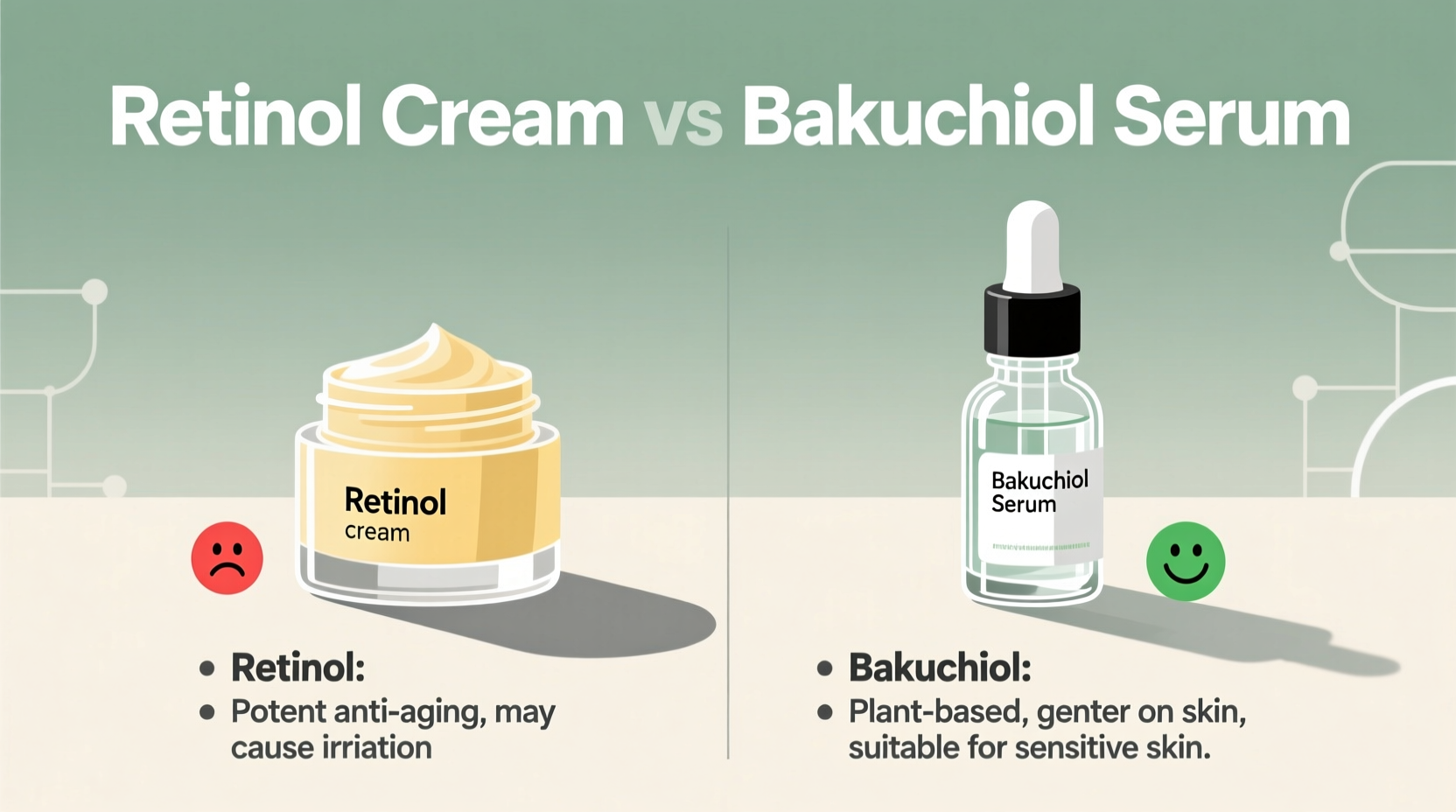
Retinol, a derivative of vitamin A, has long reigned as a cornerstone of anti-aging regimens. It works by accelerating cellular turnover, stimulating collagen production, and unclogging pores. Clinical studies consistently show its effectiveness in reducing wrinkles and improving skin tone within 8–12 weeks of regular use.
However, retinol’s potency comes at a cost. It is notorious for causing what dermatologists call “retinization”—a period of adjustment marked by redness, dryness, peeling, and increased sensitivity to sunlight. These side effects are especially pronounced in individuals with fair or reactive skin types.
“Retinol remains one of the most evidence-backed anti-aging ingredients, but compliance is often limited by irritation. Many patients discontinue use due to discomfort.” — Dr. Lena Patel, Board-Certified Dermatologist
Additionally, retinol increases photosensitivity, making daily sunscreen use non-negotiable. Pregnant or breastfeeding individuals are typically advised to avoid retinol entirely due to potential teratogenic risks.
Bakuchiol: Nature’s Softer Alternative
Bakuchiol, derived from the seeds and leaves of the Psoralea corylifolia plant, has emerged as a plant-based alternative to retinol. Though structurally different, it activates similar pathways in the skin—particularly those involved in collagen synthesis and inflammation reduction. A landmark 2019 study published in the British Journal of Dermatology found that 0.5% bakuchiol applied twice daily delivered comparable wrinkle reduction and elasticity improvements to 0.5% retinol—without the associated irritation.
Unlike retinol, bakuchiol is antioxidant-rich and possesses anti-inflammatory properties. This dual action helps soothe the skin while promoting renewal, making it ideal for those prone to redness or barrier disruption. It is also photostable, meaning it doesn’t degrade in sunlight, and current research shows no contraindications during pregnancy.
Tip: If you're new to active ingredients, start with bakuchiol to build tolerance before introducing stronger compounds like retinol.Head-to-Head Comparison: Retinol Cream vs Bakuchiol Serum
| Feature | Retinol Cream | Bakuchiol Serum |
|---|---|---|
| Mechanism | Converts to retinoic acid; binds to nuclear receptors to regulate cell turnover | Modulates similar gene expression without converting to retinoic acid |
| Irritation Level | High (common redness, peeling, dryness) | Low (well-tolerated, even by sensitive skin) |
| Onset of Results | Visible in 6–12 weeks | Noticeable in 8–12 weeks |
| Sun Sensitivity | Increases significantly; sunscreen required | No increase; compatible with daytime use |
| Pregnancy Safety | Not recommended | Generally considered safe (consult physician) |
| Stability | Light- and air-sensitive; degrades easily | Photostable; remains effective in light |
| Best For | Resilient skin types seeking maximum efficacy | Sensitive, reactive, or compromised skin barriers |
When Gentleness Matters Most: Who Should Choose What?
Selecting between retinol and bakuchiol isn’t just about preference—it should be guided by skin type, lifestyle, and long-term goals.
Choose retinol if:
- You have resilient, non-reactive skin.
- You’re committed to using broad-spectrum SPF 30+ daily.
- You’ve used retinoids before with minimal issues.
- Your primary goal is maximum wrinkle reduction and acne control.
Choose bakuchiol if:
- You experience redness, stinging, or flaking with actives.
- You live in a sunny climate or spend time outdoors frequently.
- You’re pregnant, breastfeeding, or planning conception.
- You prefer clean, plant-based formulations.
- You want gradual, irritation-free improvement.
Real-World Example: A Sensitive Skin Journey
Consider Maria, a 42-year-old teacher with combination skin and a history of seasonal rosacea. Eager to address early signs of aging around her eyes, she began using an over-the-counter retinol cream three times a week. Within two weeks, she developed persistent redness, tightness, and flaking—especially on her cheeks. Frustrated, she consulted a dermatologist who suggested switching to a 1% bakuchiol serum every evening.
After four weeks, Maria noticed subtle smoothing of crow’s feet and improved radiance—without any irritation. “I finally feel like I’m doing something good for my skin instead of fighting against it,” she said. Her experience reflects a growing trend: efficacy doesn’t have to come at the expense of comfort.
How to Incorporate Either Ingredient Safely
Whether you choose retinol or bakuchiol, how you use the product determines both results and tolerability. Follow this step-by-step guide to minimize risk and maximize benefits.
- Start Slowly: Begin with application 2–3 times per week, regardless of ingredient. Allow your skin to adapt before increasing frequency.
- Cleanse Gently: Use a non-stripping, pH-balanced cleanser. Avoid scrubs or sulfates during the adjustment phase.
- Apply to Dry Skin: Especially with retinol, damp skin increases absorption and irritation risk. Wait 20 minutes after cleansing.
- Use the Right Amount: A pea-sized portion is sufficient for the entire face. More is not better.
- Layer Strategically: Apply serums first, then moisturizer. For added protection, use the “sandwich method” (moisturizer-retinol-moisturizer) to buffer irritation.
- Never Skip Sunscreen: Even with bakuchiol, UV protection prevents photoaging and supports repair. Use SPF 30+ daily, rain or shine.
- Monitor for Reactions: Temporary tingling is normal. Persistent burning, swelling, or rash means stop and reassess.
Expert Insights on the Future of Gentle Anti-Aging
As consumer demand shifts toward clean, inclusive, and skin-friendly formulations, dermatologists are reevaluating traditional hierarchies of efficacy. “We’re moving beyond the idea that ‘it must sting to work,’” says Dr. Amira Naveed, a clinical researcher in cosmetic dermatology. “Ingredients like bakuchiol prove that gentle doesn’t mean weak. In fact, consistent, irritation-free use often yields better long-term outcomes because people actually stick with their routine.”
“Patient adherence is the biggest predictor of success in anti-aging regimens. Bakuchiol offers a viable path for those who’ve been excluded from retinoid therapy.” — Dr. Amira Naveed, Cosmetic Research Dermatologist
This shift also aligns with broader wellness trends emphasizing balance, sustainability, and holistic skin health over rapid transformation.
Frequently Asked Questions
Can I use bakuchiol and retinol together?
Yes, but cautiously. Some advanced users layer them on alternate nights or use bakuchiol in the morning and retinol at night. Combining them in a single routine may overwhelm sensitive skin. Start separately and introduce gradually if desired.
Is bakuchiol as effective as retinol?
Current research indicates bakuchiol delivers comparable improvements in fine lines, firmness, and pigmentation over 12 weeks—but with significantly less irritation. While retinol may offer slightly faster or deeper results in some cases, bakuchiol provides a sustainable alternative for long-term use.
How long does it take to see results with bakuchiol?
Most users notice smoother texture and improved tone within 4–6 weeks. Visible reduction in fine lines typically appears by week 8–12. Consistency is key, as with any active ingredient.
Checklist: Choosing Your Gentle Anti-Aging Path
Before deciding between retinol cream and bakuchiol serum, ask yourself the following:
- ✅ Do I have a history of sensitive or reactive skin?
- ✅ Have I experienced irritation with retinol in the past?
- ✅ Am I currently pregnant or planning to be?
- ✅ Do I wear sunscreen daily without fail?
- ✅ Am I looking for immediate results or gradual improvement?
- ✅ Is my skin barrier currently compromised (e.g., peeling, redness)?
- ✅ Am I willing to commit to a slow, phased introduction?
If most of your answers lean toward sensitivity, caution, or lifestyle constraints, bakuchiol is likely the wiser starting point. If your skin is resilient and well-protected, retinol may still be appropriate—with proper management.
Conclusion: Prioritize Skin Harmony Over Speed
The debate between retinol cream and bakuchiol serum ultimately centers on philosophy: Is anti-aging about achieving fast results at any cost, or about nurturing skin resilience over time? For many, the answer lies in choosing gentler, sustainable solutions that support long-term health. Bakuchiol stands out as a modern, science-backed option that delivers meaningful anti-aging benefits without compromising comfort.
This doesn’t mean retinol is obsolete. For certain skin types and goals, it remains unmatched. But with growing awareness of individual differences, the future of skincare is personalization—not one-size-fits-all prescriptions. Whether you opt for the proven power of retinol or the soothing efficacy of bakuchiol, the best choice is the one you can use consistently, comfortably, and confidently.
💬 Have you tried both retinol and bakuchiol? Share your experience below and help others navigate their anti-aging journey with confidence.








