Dog owners today face a growing dilemma: should they feed their pets raw diets or stick with traditional kibble? While both options have passionate advocates, the decision ultimately hinges on one critical factor—digestive health. A dog’s ability to break down food, absorb nutrients, and maintain consistent bowel movements directly impacts energy levels, immune function, and long-term vitality. Understanding how raw diets and kibble influence digestion is essential for making an informed feeding choice.
Dogs are descendants of carnivorous ancestors, yet modern domestication has allowed them to adapt to varied diets. Still, their gastrointestinal systems remain optimized for high-protein, low-carbohydrate intake. This biological reality fuels much of the debate around raw versus processed food. Let’s examine the science, practical outcomes, and expert insights behind each option.
The Digestive Science Behind Raw Diets
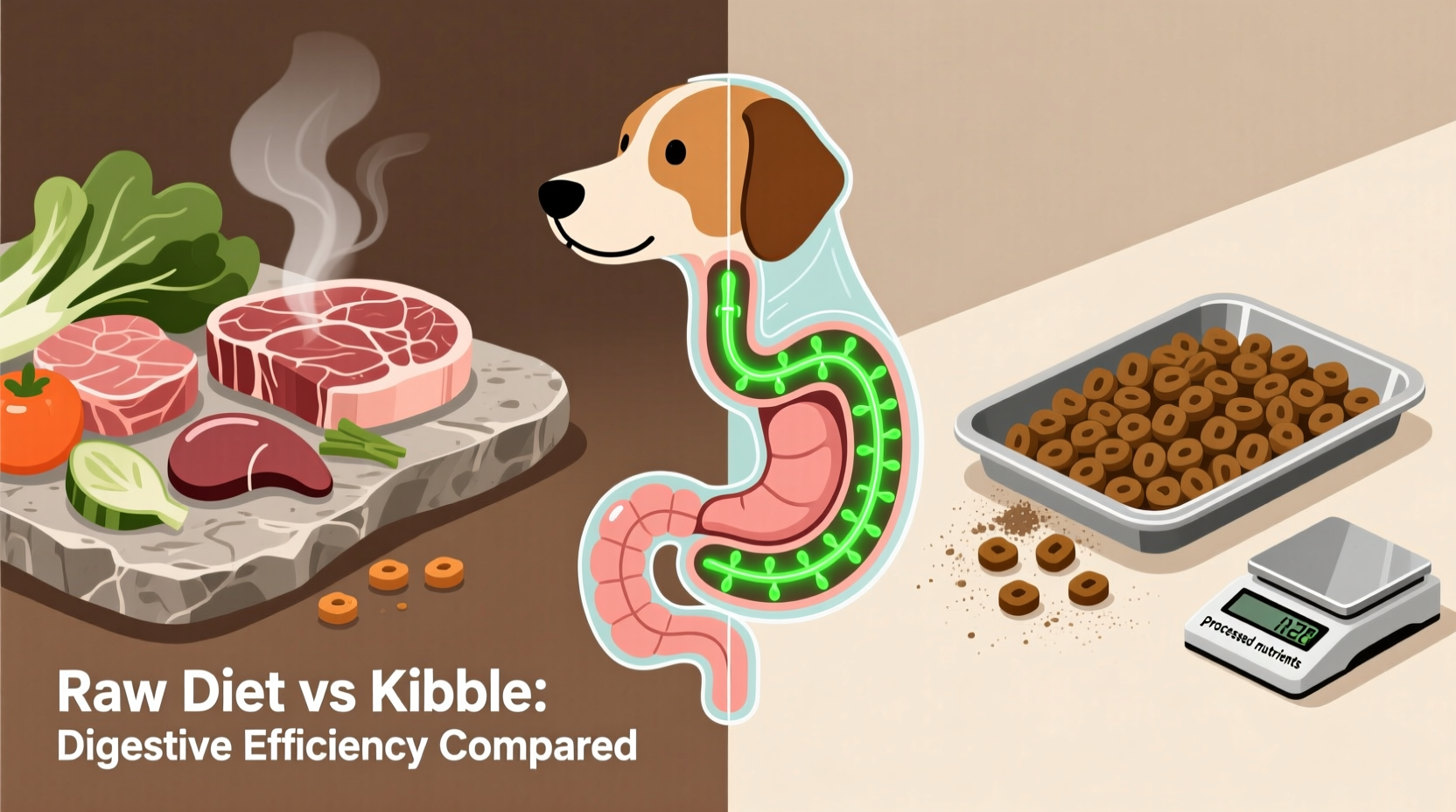
A raw diet typically consists of uncooked muscle meat, bones, organs, and sometimes fruits, vegetables, and supplements. Proponents argue that this approach mirrors what dogs would consume in the wild, aligning more closely with their evolutionary biology.
From a digestive standpoint, raw food offers several advantages. Enzymes naturally present in raw meat remain intact, potentially aiding in the breakdown of proteins and fats before they reach the stomach. Additionally, raw diets are generally lower in carbohydrates—often under 10%—which reduces fermentation in the colon, a common cause of gas and loose stools.
Studies suggest that dogs fed raw diets exhibit higher digestibility coefficients. For example, protein digestibility in raw-fed dogs often exceeds 90%, compared to 75–80% in many commercial kibbles. This means more usable nutrition reaches the bloodstream and less undigested material passes through the gut, resulting in smaller, firmer stools.
Tip: Always introduce raw food gradually over 7–10 days to avoid digestive upset during transition.Bacterial Concerns and Safety
Critics frequently cite the risk of bacterial contamination—such as Salmonella or E. coli—in raw diets. While these pathogens can be present, healthy dogs possess highly acidic stomachs (pH 1–2), capable of neutralizing most harmful bacteria. The real risk lies not in feeding raw to dogs, but in cross-contamination during handling.
Proper hygiene—washing hands, disinfecting surfaces, and storing raw food correctly—mitigates most dangers. Freezing raw meat also reduces pathogen load, though it doesn’t eliminate it entirely. Many commercial raw brands use high-pressure processing (HPP) to further reduce microbial presence without cooking the food.
How Kibble Impacts Canine Digestion
Kibble is the most widely consumed dog food globally, prized for its convenience, shelf stability, and affordability. It's made by extruding a mixture of ground ingredients—including meat meals, grains, legumes, and fillers—at high heat and pressure. This process denatures proteins and gelatinizes starches, fundamentally altering the food’s structure.
One of the primary challenges kibble poses to digestion is its high carbohydrate content. Most dry foods contain 30–50% carbs to bind ingredients and reduce production costs. Dogs lack salivary amylase, relying solely on pancreatic enzymes to break down starch. This places extra strain on the digestive system and can lead to bloating, excessive gas, and inconsistent stool quality.
Additionally, the high-heat processing destroys natural enzymes and can degrade heat-sensitive vitamins like taurine and certain B-complex vitamins. While manufacturers “fortify” kibble to compensate, these synthetic additives may not be absorbed as efficiently as nutrients from whole foods.
“Many dogs thrive on kibble, but we see a significant number with chronic soft stools or excessive flatulence—issues that often resolve when switching to lower-carb, higher-moisture diets.” — Dr. Lena Patel, Veterinary Nutritionist, DACVN
Fiber Content and Stool Quality
Kibble often includes fiber sources like beet pulp, tomato pomace, or ground corn to regulate stool consistency. While fiber can support colon health, excessive insoluble fiber leads to bulkier feces and reduced nutrient absorption. In contrast, raw-fed dogs typically produce 1/3 to 1/2 the volume of waste, indicating more complete digestion.
However, kibble isn't universally problematic. Premium grain-free or limited-ingredient formulas with high animal protein content (70%+) and minimal starch can offer decent digestibility. These are especially beneficial for dogs with sensitive stomachs who cannot tolerate raw food due to medical conditions or owner constraints.
Comparative Analysis: Raw vs Kibble Digestibility
| Factor | Raw Diet | Kibble |
|---|---|---|
| Protein Digestibility | 90–95% | 75–85% |
| Carbohydrate Load | Low (5–10%) | High (30–50%) |
| Natural Enzyme Content | High (intact) | None (destroyed by heat) |
| Stool Volume | Low | High |
| Risk of Bacterial Contamination | Moderate (manageable with hygiene) | Low (sterilized during processing) |
| Convenience & Storage | Low (requires freezing, thawing) | High (shelf-stable) |
| Cost (Monthly Average) | $150–$300 | $30–$80 |
This comparison reveals a clear trade-off: raw diets support superior digestibility and nutrient absorption but demand more effort and cost. Kibble offers practicality and safety from pathogens but may compromise digestive efficiency, especially in carbohydrate-heavy formulations.
Real-World Example: Transitioning a Sensitive-Stomach Dog
Consider Max, a 4-year-old French Bulldog with chronic diarrhea and frequent vomiting. His veterinarian ruled out parasites and pancreatitis, pointing instead to dietary sensitivity. Max had been eating a popular grain-free kibble marketed for sensitive stomachs, yet his symptoms persisted.
Under veterinary supervision, Max’s owner began transitioning him to a balanced raw diet consisting of 80% muscle meat (chicken and turkey), 10% bone, 5% liver, and 5% other secreting organs. The change was gradual—10% raw mixed with 90% kibble in week one, increasing the raw portion by 10% each week.
By week six, Max was fully raw-fed. His stool firmed within ten days, vomiting ceased entirely, and his coat became noticeably shinier. Follow-up blood work showed improved albumin and vitamin B12 levels, suggesting better nutrient uptake. His owner reported he seemed more energetic and less gassy.
This case illustrates how a biologically appropriate diet can resolve chronic digestive issues even when conventional diets fail. However, it also underscores the importance of slow transitions and professional guidance—Max’s vet monitored him closely to prevent nutritional imbalances.
Actionable Steps for Improving Your Dog’s Digestion
Whether you choose raw, kibble, or a hybrid approach, certain practices enhance digestive health across all feeding styles.
- Transition slowly: Allow 7–10 days to shift foods, mixing old and new to let gut flora adapt.
- Choose high-quality ingredients: Prioritize named animal proteins (e.g., “chicken,” not “meat meal”) and minimize unnamed fillers.
- Monitor stool quality: Ideal stools are firm, well-formed, and easy to pick up. Soft or foul-smelling stools indicate poor digestion.
- Ensure hydration: Dry kibble increases water needs. Always provide fresh water; consider adding broth to meals if your dog is reluctant to drink.
- Supplement wisely: Probiotics and digestive enzymes can aid transition or support dogs with chronic GI issues.
- Consult a vet nutritionist: Especially important for raw diets, to ensure calcium-phosphorus balance and micronutrient adequacy.
Common Misconceptions About Raw Feeding
Despite growing popularity, raw diets are surrounded by myths. One widespread belief is that raw bones are dangerous. While cooked bones can splinter and cause obstructions, raw bones—especially softer ones like chicken necks or wings—are generally safe and promote dental health.
Another myth is that raw diets are inherently unbalanced. This is true only if improperly formulated. Balanced raw feeding follows the “80/10/10” rule (80% muscle meat, 10% bone, 10% organs) or uses commercially prepared, AAFCO-compliant blends.
Conversely, kibble is sometimes assumed to be “complete and balanced” by default. While many meet minimum standards, “complete” does not always mean “optimal.” Synthetic nutrients may not be as bioavailable, and high-carb formulations can still trigger inflammation or insulin spikes, particularly in overweight or diabetic dogs.
Frequently Asked Questions
Can I mix raw and kibble?
Yes, but with caution. Some dogs experience mild digestive upset when combining the two due to differing digestion times—raw protein takes longer to break down than starchy kibble. If mixing, do so in the same meal rather than feeding separately, and monitor your dog’s response. Many owners successfully blend 20–50% raw into kibble for added nutrition.
Is raw safer for dogs with allergies?
Often, yes. Food sensitivities in dogs are commonly triggered by processed ingredients like soy, corn, wheat, or artificial preservatives found in kibble. Raw diets allow full control over ingredients, making elimination diets easier. Single-protein raw meals (e.g., rabbit or duck) are excellent for identifying allergens.
Do veterinarians recommend raw diets?
Opinions vary. Traditional veterinary curricula emphasize commercial diets, and some vets express concern about bacterial risks or nutritional gaps. However, board-certified veterinary nutritionists increasingly acknowledge that well-formulated raw diets can be safe and beneficial. Always consult your vet before making major dietary changes, especially for puppies, seniors, or immunocompromised dogs.
Final Recommendation: Choose Based on Your Dog’s Needs
There is no universal answer to whether raw or kibble supports better digestion. The best choice depends on your dog’s age, breed, health status, and lifestyle—as well as your own capacity to prepare and manage meals.
For dogs with chronic digestive issues, food sensitivities, or low energy, a properly balanced raw diet often brings dramatic improvements. The higher digestibility, moisture content, and absence of processed additives align more closely with canine physiology.
For busy households or dogs with stable digestion on kibble, upgrading to a premium, low-carb formula may offer sufficient benefit without the logistical demands of raw feeding. Look for brands with human-grade ingredients, minimal starch, and transparent sourcing.
Hybrid approaches—such as feeding kibble with raw toppers or rotating between raw and high-quality canned food—can also bridge the gap, offering enhanced nutrition without full commitment.
“The goal isn’t to follow trends, but to support a thriving gut microbiome. Whether that comes from raw, cooked, or kibble depends on the individual dog.” — Dr. Marcus Reed, Integrative Veterinary Medicine Specialist
Take Action Today for a Healthier Gut
Your dog’s digestion is the foundation of overall wellness. Start by evaluating current stool quality, energy levels, and coat condition. If you’re considering a change, begin with small adjustments—add a raw egg, switch to a higher-protein kibble, or introduce a probiotic supplement.
Track the results over two to four weeks. If symptoms persist, consult a veterinary nutritionist to explore tailored solutions. Whether you choose raw, kibble, or a combination, the key is consistency, quality, and attentiveness to your dog’s unique needs.
💬 Have you switched your dog from kibble to raw—or vice versa? Share your experience in the comments below and help fellow pet owners make informed choices!








