Ears are self-cleaning organs designed to manage wax buildup naturally. Yet, millions of people reach for cotton swabs—commonly known as Q-tips—every day to clean inside their ears. This seemingly harmless habit can lead to serious consequences, including impacted wax, infections, and even hearing loss. Despite widespread warnings from medical professionals, the myth that Q-tips are necessary for ear hygiene persists. Understanding the anatomy of the ear, the dangers of improper cleaning, and safer alternatives is essential for protecting your hearing and overall ear health.
The Anatomy of the Ear and Wax Function
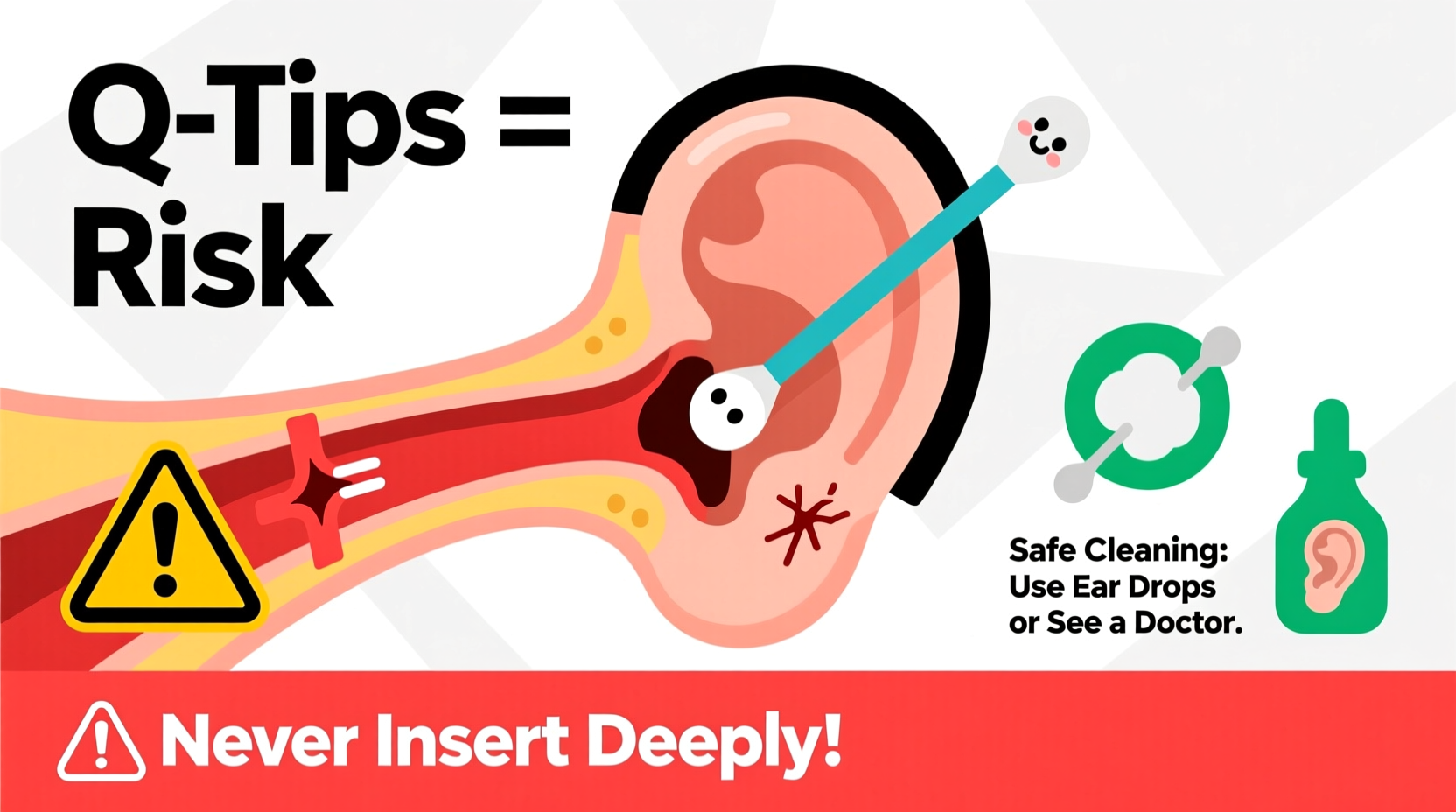
The human ear consists of three main parts: the outer ear, middle ear, and inner ear. Earwax, or cerumen, is produced in the outer ear canal by glands beneath the skin. Far from being a nuisance, earwax plays several protective roles:
- Lubricates the ear canal to prevent dryness and itching
- Traps dust, bacteria, and foreign particles
- Has antimicrobial properties that help prevent infections
- Moves outward naturally through jaw movement and skin cell migration
This natural migration means that in most cases, earwax exits the ear on its own without intervention. The ear canal is also curved and narrow, making it difficult—and dangerous—to insert objects like cotton swabs safely.
Tip: If you don’t have symptoms like fullness, pain, or hearing loss, your ears likely don’t need cleaning at all.Why Q-Tips Are Dangerous
Using Q-tips in the ear canal poses multiple risks, many of which are underestimated due to the product’s widespread availability and marketing. The primary dangers include:
Wax Impaction
Instead of removing wax, Q-tips often push it deeper into the ear canal. Over time, this compacted wax can harden and block sound transmission, leading to temporary hearing loss, tinnitus (ringing), or dizziness.
Ear Canal Injury
The skin inside the ear is delicate. Inserting a cotton swab can cause abrasions, increasing the risk of infection. In severe cases, especially with sudden movements, swabs can perforate the eardrum—a painful injury that may require surgical repair.
Disruption of Natural Cleaning Mechanism
Frequent swabbing interferes with the ear’s self-cleaning process. Removing too much wax leaves the ear dry and vulnerable to irritation and microbial invasion.
“Never put anything smaller than your elbow in your ear.” — Dr. Seth R. Schwartz, former Chair of the Clinical Practice Guideline for Cerumen Impaction, American Academy of Otolaryngology–Head and Neck Surgery
Safe Alternatives for Ear Cleaning
Clean ears don’t require invasive tools. When cleaning is needed, safer, non-invasive methods should be used. Here’s how to maintain ear hygiene without risking damage:
Step-by-Step Guide: Safe Ear Cleaning at Home
- Use a washcloth: After a shower or bath, gently wipe the outside of the ear with a damp cloth. Do not insert anything into the ear canal.
- Try over-the-counter drops: If wax feels excessive, use cerumenolytic drops (like carbamide peroxide) to soften wax for 3–5 days.
- Flush with warm water: After softening, tilt your head and use a rubber-bulb syringe to gently irrigate the ear with lukewarm water. Dry the outer ear thoroughly afterward.
- Seek professional help if needed: If symptoms persist, see a healthcare provider for safe removal via irrigation, suction, or manual extraction.
Do’s and Don’ts of Ear Care
| Do’s | Don’ts |
|---|---|
| Wipe the outer ear with a damp cloth | Insert cotton swabs, bobby pins, or fingers into the ear canal |
| Use ear drops to soften wax if needed | Use ear candles—they are ineffective and hazardous |
| Irrigate gently with warm water after softening wax | Use high-pressure water devices like water flossers |
| See a doctor for persistent blockage or discomfort | Ignore symptoms like pain, drainage, or hearing changes |
Real Example: A Common Mistake with Lasting Consequences
James, a 34-year-old office worker, had used Q-tips weekly for years to “clean” his ears. He noticed occasional muffled hearing but assumed it was normal. After an airplane flight, he experienced sharp pain and significant hearing loss in one ear. An ENT examination revealed a completely blocked ear canal due to impacted wax pushed deep by repeated swabbing. Worse, the pressure had caused a small eardrum perforation. James required two in-office procedures to remove the wax and allow the eardrum to heal. His recovery took six weeks, during which he experienced vertigo and sensitivity to noise. His doctor emphasized that none of this would have happened if he had avoided inserting objects into his ears.
When to See a Doctor
Most earwax issues resolve with proper home care, but certain symptoms warrant professional attention:
- Persistent hearing loss in one or both ears
- Ear pain or discharge
- Sensation of fullness or pressure that doesn’t go away
- Dizziness or ringing that interferes with daily life
Healthcare providers have specialized tools—such as otoscopes, micro-suction devices, and curettes—that allow them to remove wax safely and effectively without damaging the ear canal or eardrum.
FAQ
Can I use Q-tips if I’m very careful?
No. Even with caution, the risk of pushing wax deeper or injuring the ear canal remains high. The shape of the ear makes it nearly impossible to avoid contact with sensitive structures. The safest approach is to avoid insertion entirely.
What happens if earwax is left untreated?
In most people, earwax clears on its own. However, if it becomes impacted, it can cause hearing loss, discomfort, or dizziness. These symptoms are usually reversible once the wax is removed by a professional.
Are there people who produce more earwax than others?
Yes. Factors like genetics, age, narrow ear canals, and frequent use of earphones or hearing aids can increase wax buildup. These individuals may need periodic checkups but should still avoid using cotton swabs.
Checklist: Healthy Ear Care Habits
- ☑ Clean only the outer part of the ear with a damp cloth
- ☑ Avoid inserting any objects into the ear canal
- ☑ Use over-the-counter wax softeners if needed
- ☑ Irrigate gently with warm water after softening
- ☑ Schedule a professional cleaning every 6–12 months if prone to buildup
- ☑ Stop using products like ear candles or DIY vacuum kits
Conclusion
The belief that ears need regular internal cleaning is a misconception fueled by habit and misleading product design. Q-tips are not meant for use inside the ear canal—despite how commonly they’re used that way. The risks far outweigh any perceived benefits. By embracing the ear’s natural ability to self-clean and adopting safe, evidence-based practices, you can protect your hearing and avoid preventable injuries. Replace the cotton swab with knowledge, and let your ears do what they’re designed to do.
💬 Have you switched from Q-tips to safer methods? Share your experience or questions in the comments—your story could help someone avoid a preventable ear problem.








