Painful gums affect millions of people every year, disrupting daily routines and making eating, speaking, or even brushing teeth uncomfortable. While occasional gum sensitivity might seem minor, persistent pain can signal underlying dental conditions that require professional attention. Understanding the root causes, knowing how to manage discomfort at home, and recognizing when to seek help from a dentist are essential steps in maintaining oral health. This guide provides practical insights into what triggers gum pain, how to find relief, and when it’s time to book an appointment.
Common Causes of Gum Pain
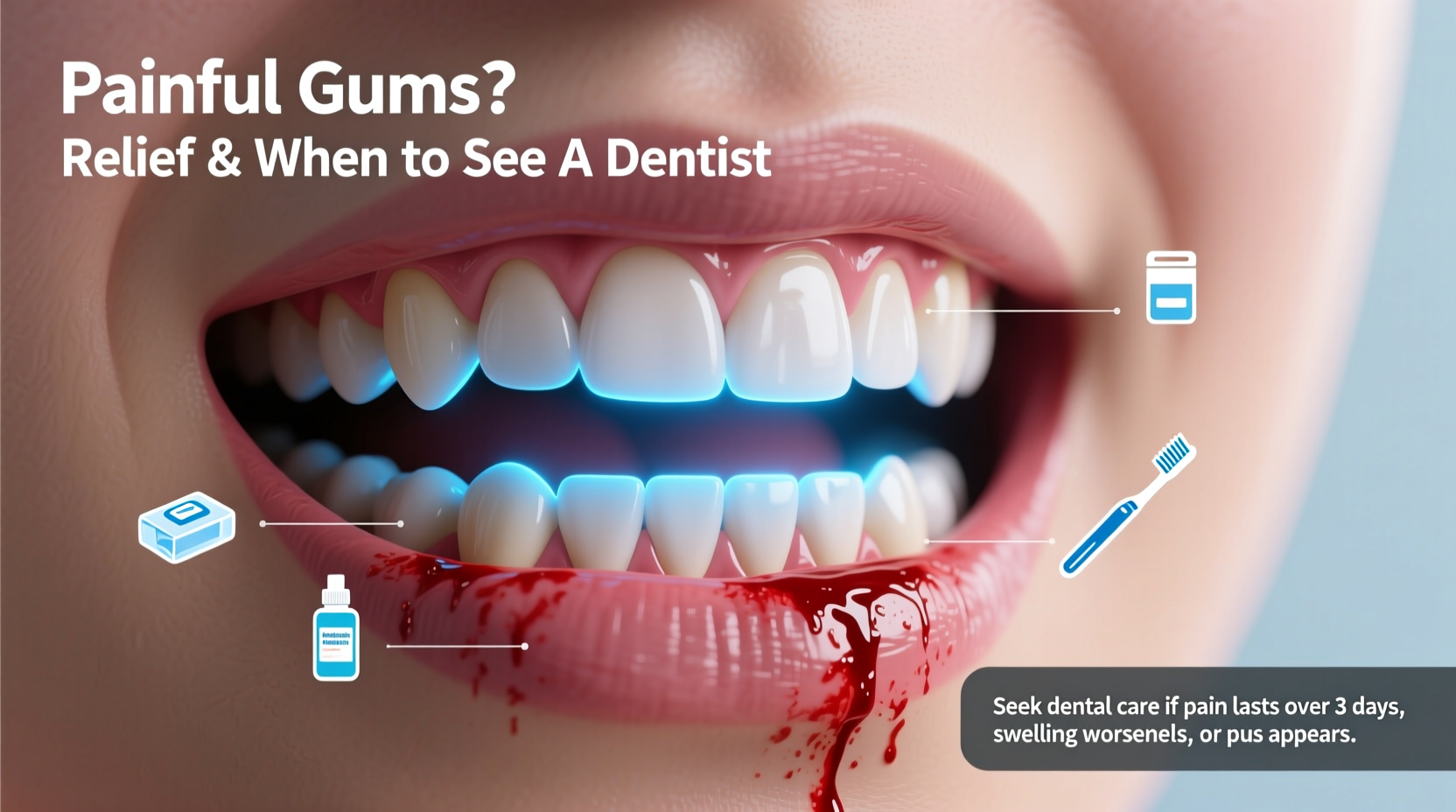
Gum pain rarely occurs without reason. It often stems from preventable issues or early signs of more serious dental conditions. Identifying the cause is the first step toward effective treatment.
- Gingivitis: The earliest stage of gum disease, caused by plaque buildup along the gumline. Symptoms include redness, swelling, and bleeding during brushing.
- Periodontitis: An advanced form of gum disease where infection spreads below the gumline, damaging bone and connective tissue.
- Tooth Abscess: A bacterial infection at the root of a tooth or between the gum and tooth, leading to severe pain, pus, and swelling.
- Improper Brushing or Flossing: Aggressive brushing or using a hard-bristled toothbrush can irritate gum tissue and cause recession and pain.
- Food Impaction: When food gets trapped between teeth or under the gums, it can create pressure and irritation.
- Hormonal Changes: Fluctuations during pregnancy, menstruation, or menopause can increase gum sensitivity and inflammation.
- Dental Appliances: Braces, dentures, or retainers that don’t fit properly may rub against the gums and cause sores or discomfort.
- Vitamin Deficiencies: Lack of vitamin C (scurvy) or B vitamins can weaken gum tissue and lead to tenderness and bleeding.
Effective Home Remedies for Relief
For mild gum discomfort, several at-home treatments can provide temporary relief while addressing minor inflammation.
- Saltwater Rinse: Mix ½ teaspoon of salt in a glass of warm water. Swish for 30 seconds twice daily to reduce swelling and disinfect the area.
- Cold Compress: Apply a wrapped ice pack to the outside of your cheek for 15 minutes to numb pain and reduce swelling.
- Clove Oil: Dab a small amount of diluted clove oil on the affected area using a cotton swab. Its natural eugenol content acts as an analgesic and antiseptic.
- Aloe Vera Gel: Use pure aloe vera gel directly on inflamed gums to calm irritation and promote healing.
- Hydrogen Peroxide Rinse: Combine equal parts 3% hydrogen peroxide and water. Swish gently (do not swallow) to kill bacteria and reduce plaque.
- Stay Hydrated: Drinking plenty of water helps wash away food particles and supports saliva production, which naturally protects gums.
“Home remedies can ease symptoms temporarily, but they don’t replace professional diagnosis or treatment,” says Dr. Linda Chen, board-certified periodontist. “If pain persists beyond a few days, it’s time to see your dentist.”
When to See a Dentist: Warning Signs
While some gum soreness resolves on its own, certain symptoms indicate a need for immediate dental evaluation. Ignoring these signs can lead to irreversible damage or systemic health complications.
| Symptom | What It Might Mean | Action Required |
|---|---|---|
| Persistent pain lasting more than 3–5 days | Infection, abscess, or advancing gum disease | Schedule dental visit within 48 hours |
| Bleeding gums during brushing/flossing | Gingivitis or early periodontal disease | Dental checkup recommended within 1–2 weeks |
| Pus or visible swelling near a tooth | Tooth abscess requiring drainage and antibiotics | Seek emergency dental care immediately |
| Loose teeth or receding gums | Advanced periodontitis with bone loss | Immediate consultation with a periodontist |
| Foul taste or chronic bad breath | Bacterial overgrowth due to infection or poor hygiene | Professional cleaning and evaluation needed |
Real Example: Delayed Care Leads to Complications
Sarah, a 34-year-old teacher, noticed mild gum tenderness near her lower molar but dismissed it as irritation from popcorn kernels. She used saltwater rinses and flossed carefully, assuming the issue would resolve. After two weeks, the pain intensified, spreading to her jaw and causing headaches. She finally visited her dentist, who diagnosed a localized abscess stemming from untreated decay. The infection had begun affecting surrounding bone. Sarah required root canal therapy and antibiotics—treatment that could have been avoided with earlier intervention.
This case highlights how seemingly minor gum pain can escalate quickly without proper assessment.
Preventive Checklist for Healthy Gums
Prevention remains the most effective strategy against gum pain. Incorporating consistent habits reduces the risk of inflammation, infection, and long-term damage.
Checklist: Daily Gum Health Routine- Brush teeth twice daily with a soft-bristled toothbrush
- Floss at least once per day to remove plaque between teeth
- Use an antibacterial or fluoride mouthwash (if recommended)
- Eat a balanced diet low in sugar and rich in vitamins C and D
- Avoid tobacco products, which impair gum healing
- Visit your dentist every six months for cleanings and exams
- Replace your toothbrush every 3–4 months or sooner if bristles fray
Step-by-Step Guide to Responding to Gum Pain
If you experience sudden or worsening gum discomfort, follow this timeline to determine whether self-care is sufficient or professional help is necessary.
- Day 1 – Assess Symptoms: Note location, severity, and any triggers (e.g., heat, cold, chewing). Take photos if there’s visible swelling.
- Days 1–2 – Begin Home Care: Start gentle saltwater rinses, avoid irritating foods, and maintain normal oral hygiene without aggravating the area.
- Day 3 – Reevaluate: If pain decreases, continue monitoring. If unchanged or worse, contact your dentist.
- Day 4–5 – Seek Professional Help: Book an appointment even if pain fluctuates. Early diagnosis prevents progression.
- After Treatment: Follow all post-care instructions, including medication use and dietary adjustments.
Frequently Asked Questions
Can stress cause gum pain?
Yes. Stress weakens the immune system, making it harder for your body to fight off infections, including those in the gums. Additionally, stress-related habits like teeth grinding or clenching can put pressure on the gums and jaw, contributing to discomfort.
Is gum pain a sign of cancer?
Rarely, but possible. Persistent sores, lumps, or unexplained bleeding that don’t heal within two weeks should be evaluated by a dentist to rule out oral cancer, especially in individuals who smoke or use tobacco.
Why do my gums hurt only at night?
Nocturnal gum pain may be linked to teeth grinding (bruxism), sinus pressure when lying down, or increased focus on bodily sensations in quiet environments. A dentist can evaluate for nighttime grinding and recommend a mouthguard if needed.
Conclusion: Take Action Before Pain Worsens
Gum pain is not something to ignore—even if it seems mild at first. Most cases stem from treatable conditions, but delaying care can turn manageable problems into complex dental emergencies. By understanding the causes, applying safe relief strategies, and knowing when to consult a professional, you protect not only your smile but also your overall health. Chronic gum disease has been linked to heart disease, diabetes complications, and stroke, making proactive oral care more important than ever.
💬 Your gums deserve attention—not just when they hurt. Schedule your next dental checkup today and take control of your oral wellness journey.








