
Spinach is one of the most nutrient-dense vegetables available, celebrated for centuries not only for its vibrant color and versatility but also for its profound impact on human health. From ancient Persia to modern-day superfood lists, spinach has earned its place in kitchens and clinics alike. Today, consumers seek more than just flavor—they want food with function. Understanding the real value of spinach means looking beyond Popeye’s biceps to examine its rich profile of vitamins, minerals, antioxidants, and bioactive compounds that support eye health, cardiovascular function, bone integrity, and cellular protection. This article provides a comprehensive, science-backed overview of spinach, detailing its nutritional composition, culinary applications, varieties, storage methods, and distinctions from similar greens—equipping home cooks, health-conscious eaters, and culinary professionals with actionable knowledge.
Definition & Overview
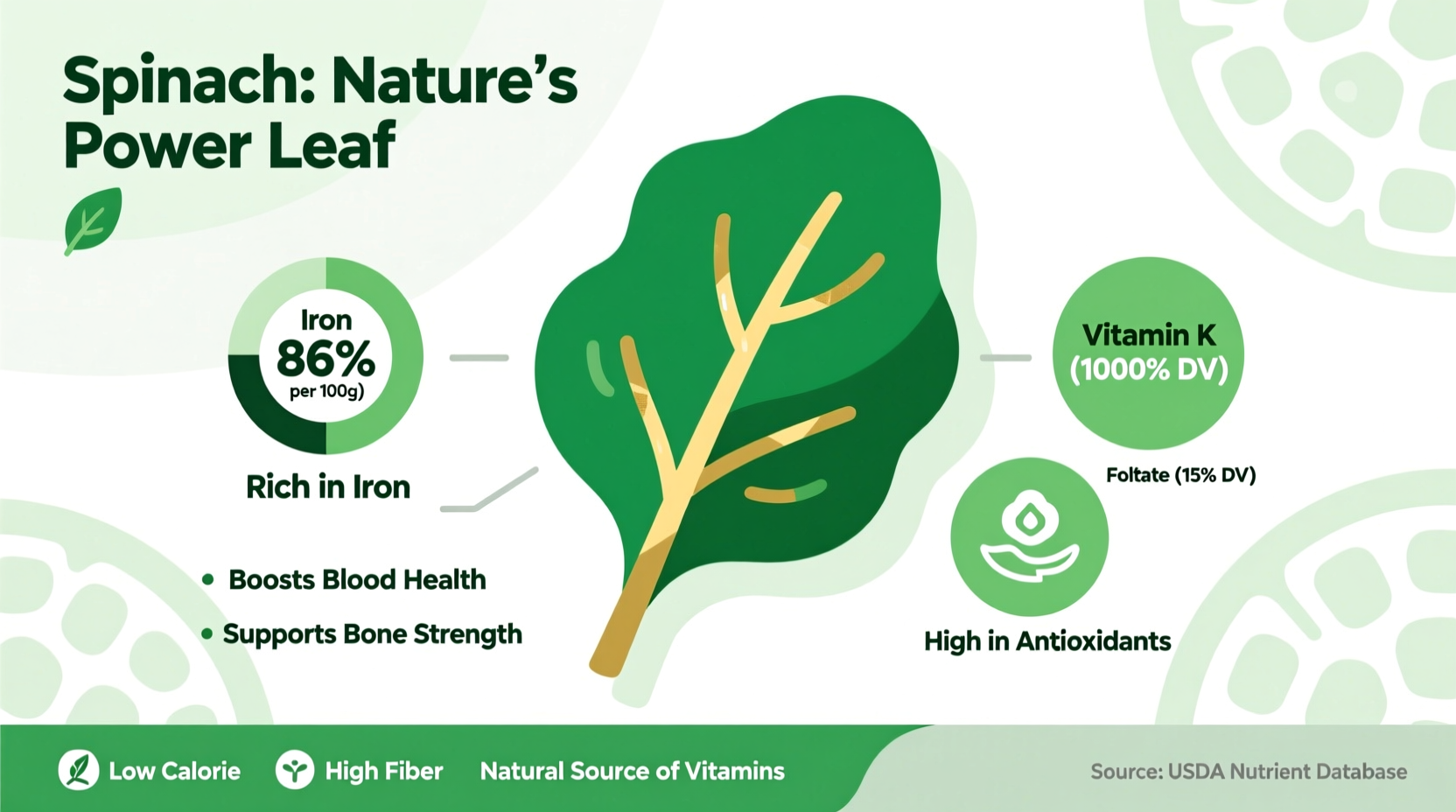
Spinach (Spinacia oleracea) is an edible flowering plant in the Amaranthaceae family, native to central and western Asia. It was introduced to China via Nepal in the 7th century and later spread to Europe through Spain. Now cultivated globally, spinach is classified as a dark leafy green vegetable prized for its mild, slightly earthy flavor and tender texture when young. Its leaves grow in a rosette pattern and can vary significantly in shape—from smooth and oval (in savoy types) to crinkled or flat—and are typically harvested before bolting to ensure optimal tenderness.
Culinarily, spinach functions both as a raw salad green and a cooked vegetable, adaptable to sautéing, steaming, blanching, pureeing, and baking. Its ability to wilt dramatically under heat makes it ideal for volume reduction in dishes like quiches, lasagnas, and curries. Beyond the kitchen, spinach is studied extensively in nutritional science due to its high concentration of nitrates, carotenoids, folate, and vitamin K—all linked to reduced chronic disease risk.
Key Characteristics
| Attribute | Description |
|---|---|
| Flavor Profile | Mildly sweet when fresh; develops a deeper, earthier taste when cooked. Slight bitterness may appear in mature leaves or after prolonged storage. |
| Aroma | Subtle, fresh green scent; minimal odor unless spoiled, at which point it emits a sour, decaying smell. |
| Color & Form | Bright to deep green; comes in flat-leaf, savoy (crinkled), and semi-savoy forms. Leaves range from small and delicate to broad and robust. |
| Culinary Function | Base for salads, soups, stews, fillings, smoothies, and side dishes. Acts as a thickener when pureed and contributes moisture and structure to baked goods. |
| Shelf Life | Fresh: 5–7 days refrigerated in crisper drawer. Frozen: up to 12 months. Canned: 2–5 years unopened. |
| Nutrient Density | Extremely high per calorie: rich in vitamins A, C, K, folate, iron, calcium, magnesium, potassium, and antioxidants like lutein and beta-carotene. |
Practical Usage
Spinach's adaptability makes it a cornerstone ingredient across global cuisines. Because it wilts easily—losing up to 75% of its volume when heated—it’s often used in larger quantities than other greens. One pound of raw spinach yields approximately 1 cup cooked, making it efficient for feeding crowds or batch cooking.
In home kitchens, raw baby spinach is ideal for salads, especially when paired with ingredients that enhance iron absorption, such as citrus vinaigrettes (vitamin C) or healthy fats like avocado or olive oil (fat-soluble vitamins). For warm applications, sautéing spinach in garlic and olive oil with a pinch of red pepper flakes creates a quick side dish that preserves nutrients better than boiling.
Professional chefs leverage spinach in refined preparations: blanched and shocked to retain bright color, then puréed into sauces, gnocchi doughs, or emulsions. In Indian cuisine, palak (spinach) is slow-cooked with onions, ginger, and spices to make *palak paneer*, where its fibrous structure breaks down into a velvety gravy. In Mediterranean cooking, spinach is mixed with feta and phyllo dough for spanakopita. Modernist techniques use spinach juice as a natural coloring agent in pasta, breads, and even desserts.
When adding spinach to smoothies, use chilled leaves to avoid dilution from melting ice. Blend with banana, pineapple, or mango to balance any vegetal notes. For soups, stir chopped spinach into lentil, minestrone, or chicken noodle during the last two minutes of cooking to preserve texture and nutrient content.
TIP: To maximize iron absorption from spinach, combine it with vitamin C-rich foods. Try spinach salad with orange segments, bell peppers, or lemon-dressed quinoa. Avoid consuming it with calcium-rich dairy or tea/coffee immediately after meals, as these can inhibit non-heme iron uptake.
Variants & Types
Not all spinach is created equal. The three primary types differ in texture, resilience, and best-use scenarios:
- Flat-Leaf Spinach: Also known as smooth-leaf, this variety has broad, thin leaves that are easy to clean and ideal for processing. Commonly found in supermarkets, it works well raw in salads or processed into frozen blocks. Cultivars include 'Melody' and 'Tyee'.
- Savoy Spinach: Characterized by deeply crinkled, curly leaves that trap dirt but offer excellent cold tolerance. Best suited for cooking, as the texture can be too tough for some raw applications. 'Bloomsdale Long Standing' is a popular heirloom example.
- Semi-Savoy Spinach: A hybrid combining the ease of cleaning of flat-leaf with the hardiness of savoy. Resistant to bolting and disease, widely grown commercially. 'Correnta' and 'Indian Summer' fall into this category.
Beyond fresh forms, spinach is available in several processed formats:
- Packaged Pre-Washed Spinach: Convenient for immediate use; typically baby leaves. Check expiration dates and package integrity to avoid spoilage.
- Frozen Spinach: Usually blanched and chopped before freezing. Ideal for cooked dishes, smoothies, and baking. Thaw and drain thoroughly to prevent excess moisture.
- Canned Spinach: Less common today due to texture loss, but still used in institutional settings. Higher sodium content—rinse before use if needed.
- Spinach Powder: Dehydrated and milled leaves used as a dietary supplement or natural green coloring. Contains concentrated nutrients but lacks fiber and freshness.
| Type | Best Used For | Storage Duration |
|---|---|---|
| Flat-Leaf (Baby) | Salads, sandwiches, smoothies | 5–7 days refrigerated |
| Savoy | Sautéing, soups, stews | 5 days refrigerated |
| Semi-Savoy | All-purpose (raw or cooked) | 6–8 days refrigerated |
| Frozen | Cooking, blending, baking | 10–12 months frozen |
| Spinach Powder | Smoothie boosts, supplements, coloring | 18–24 months sealed |
Comparison with Similar Ingredients
Spinach is frequently compared—and sometimes substituted—for other leafy greens. While interchangeable in some contexts, key differences affect flavor, nutrition, and performance.
| Green | Differences from Spinach | When to Substitute |
|---|---|---|
| Kale | Thicker, tougher leaves; more fibrous; higher in vitamin C and calcium but lower in vitamin K and folate. Bitterer taste, especially raw. | Use in cooked dishes only; massage with oil if using raw. Not ideal for smoothies unless finely chopped. |
| Swiss Chard | Similar texture when cooked; stems are edible and colorful. Lower in oxalates than spinach; contains less iron but more potassium. | Excellent 1:1 swap in sautés, casseroles, and gratins. Use rainbow chard for visual appeal. |
| Arugula | Peppery, pungent flavor; much smaller yield when cooked. Higher in nitrates but lower in iron and folate. | Only substitute raw in salads. Do not cook arugula in place of spinach. |
| Collard Greens | Larger, sturdier leaves; require longer cooking. Higher in protein and calcium; lower in vitamin A. | Use in long-simmered Southern-style dishes. Not suitable for raw use or quick sautés. |
| Mustard Greens | Sharp, spicy bite; very low in oxalic acid. More heat-stable than spinach. | Good alternative in stir-fries or braises where bold flavor is desired. |
\"While spinach is often praised for its iron, what sets it apart is the synergy between its micronutrients—lutein for eyes, nitrates for blood pressure, and folate for fetal development. No single green matches its overall balance.\" — Dr. Elena Torres, Registered Dietitian and Plant-Based Nutrition Researcher
Practical Tips & FAQs
How should I store fresh spinach?
Keep unwashed spinach in a breathable container or perforated plastic bag in the crisper drawer. Line with paper towels to absorb excess moisture. Wash only before use to prevent premature spoilage. Avoid sealing in airtight containers without ventilation.
Does cooking destroy nutrients in spinach?
It depends on the nutrient. Water-soluble vitamins like vitamin C and some B vitamins decrease with heat, especially boiling. However, fat-soluble vitamins (A, E, K) and carotenoids like lutein and beta-carotene become more bioavailable when lightly cooked. Steaming or sautéing preserves more nutrients than boiling.
Is raw or cooked spinach healthier?
Both have benefits. Raw spinach retains more vitamin C and folate but contains oxalic acid, which binds calcium and iron, reducing their absorption. Cooking reduces oxalate content by up to 87%, increasing mineral availability. For maximum benefit, consume spinach both ways throughout the week.
Can I freeze fresh spinach?
Yes. Blanch leaves in boiling water for 1–2 minutes, then plunge into ice water. Drain well, squeeze out excess liquid, and freeze in portions. Alternatively, freeze raw in vacuum-sealed bags for use within 6 months. Frozen spinach works best in cooked dishes.
Why does spinach sometimes taste bitter?
Bitterness increases as spinach ages or is exposed to heat and light. Mature plants or those nearing bolting produce more flavonoids and oxalates, contributing to a sharper taste. Harvest early in the day, store properly, and use promptly for the sweetest flavor.
How much spinach should I eat daily?
The USDA recommends 1.5 to 2 cups of dark green vegetables per week for adults. One cup of raw spinach (about 30g) counts as one serving. Daily consumption is safe for most people, though those on blood thinners should monitor intake due to high vitamin K levels.
Are there risks associated with eating too much spinach?
For individuals prone to kidney stones, excessive raw spinach consumption may increase risk due to its oxalate content. Boiling reduces this concern. Additionally, very high intakes can interfere with thyroid function in susceptible individuals due to goitrogens, though this is rare and typically requires unrealistically large amounts.
STORAGE CHECKLIST:
1. Store in crisper drawer at 32–40°F (0–4°C)
2. Keep dry—moisture accelerates decay
3. Use within 1 week
4. Freeze surplus within 3 days of purchase
5. Discard if slimy, yellowed, or foul-smelling
Summary & Key Takeaways
Spinach stands among the most nutritionally powerful vegetables accessible to everyday consumers. Packed with vitamins A, C, K, folate, iron, and antioxidants, it supports vision, immunity, cardiovascular health, and cellular function. Its culinary flexibility allows seamless integration into raw salads, cooked mains, blended beverages, and baked specialties.
Understanding the differences between flat-leaf, savoy, and semi-savoy types helps match the right spinach to the right dish. Processed forms like frozen and powdered offer convenience while retaining significant nutritional value. When compared to kale, chard, or arugula, spinach offers a balanced nutrient profile and milder flavor, making it uniquely versatile.
To optimize health benefits, pair spinach with vitamin C-rich foods to enhance iron absorption and consider light cooking to reduce oxalates and improve mineral bioavailability. Proper storage extends freshness, while freezing preserves surplus. Though generally safe, moderation is advised for those with kidney stone predisposition or on anticoagulant therapy.
Whether you're building a power salad, enriching a curry, or boosting a morning smoothie, spinach delivers exceptional value per calorie. Incorporating it regularly into your diet isn’t just a nod to health trends—it’s a scientifically sound choice for long-term wellness.
Explore spinach in your next meal���your body and palate will thank you.









