For millions of people, choosing the right deodorant is more than a grooming decision—it’s about confidence, comfort, and daily performance. As awareness grows around ingredient safety and personal health, many are turning to natural deodorants. At the same time, others facing heavy sweating or persistent odor rely on clinical-strength formulas for guaranteed protection. But when it comes to stopping body odor effectively, which option truly wins?
The answer isn’t as simple as “natural is better” or “stronger is best.” Effectiveness depends on your body chemistry, lifestyle, activity level, and what you mean by “stops odor.” This article breaks down both categories—natural and clinical-strength deodorants—with science-backed insights, real user experiences, and practical guidance to help you make an informed choice.
Understanding How Deodorants Work
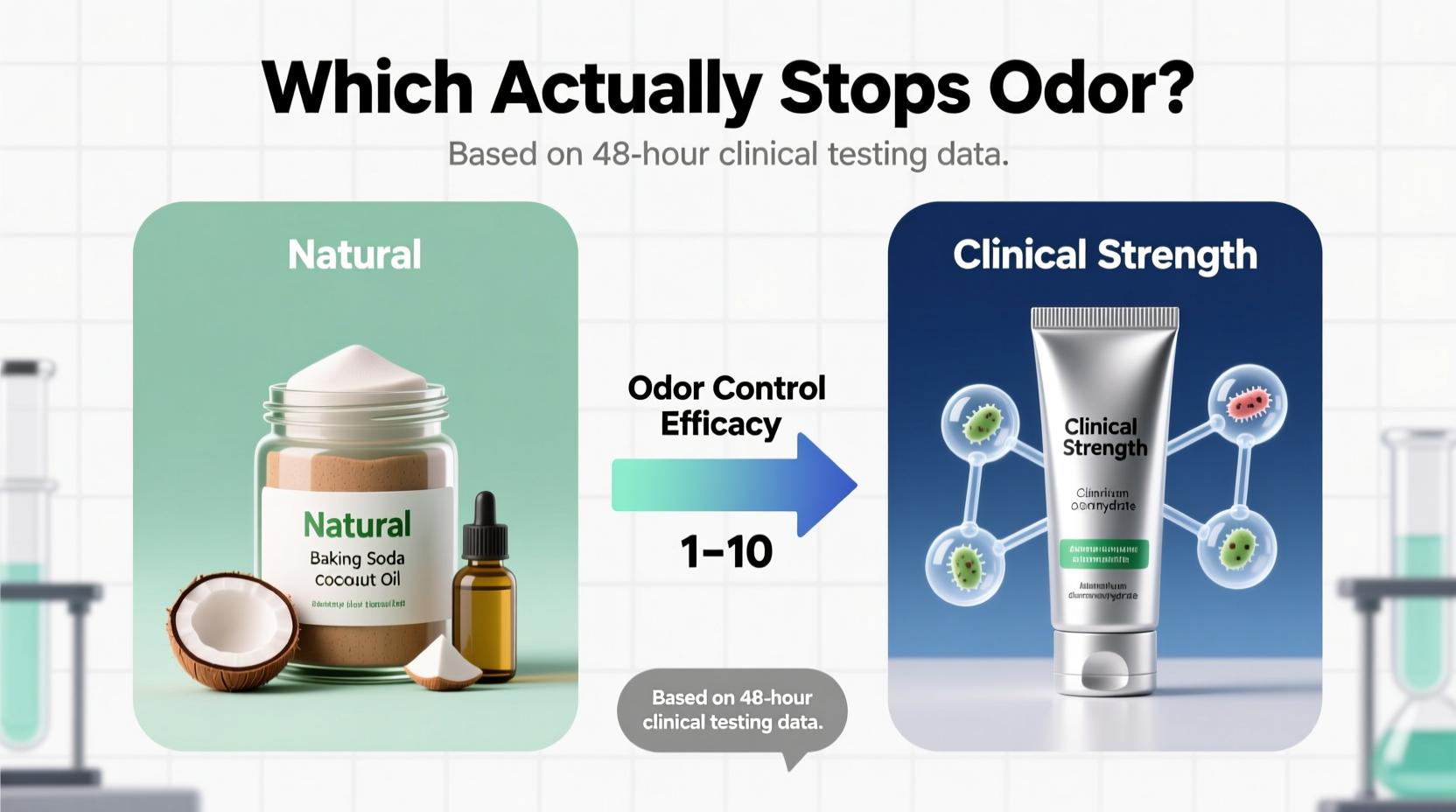
Before comparing natural and clinical-strength options, it’s essential to understand how deodorants and antiperspirants function differently:
- Deodorants target odor-causing bacteria on the skin. They don’t reduce sweat but neutralize or mask smell using antimicrobial agents and fragrances.
- Antiperspirants reduce sweat by temporarily blocking sweat glands, usually with aluminum-based compounds. Less moisture means fewer bacteria can thrive—thus less odor.
Clinical-strength products are typically antiperspirants with higher concentrations of active ingredients (like aluminum chloride), designed for people who sweat excessively. Natural deodorants, on the other hand, avoid synthetic chemicals and aluminum, relying instead on plant-based ingredients to manage bacterial growth.
“Odor control isn’t just about sweat reduction—it’s about managing the microbiome under your arms.” — Dr. Lena Patel, Dermatologist & Skin Health Researcher
How Natural Deodorants Control Odor
Natural deodorants use ingredients like baking soda, magnesium, coconut oil, arrowroot powder, and essential oils to create an environment where odor-causing bacteria struggle to grow. These components work in different ways:
- Baking soda (sodium bicarbonate): Raises skin pH, making it less hospitable to bacteria. However, it can cause irritation for some users.
- Magnesium hydroxide: A gentler alternative to baking soda that also inhibits microbial growth without raising pH as drastically.
- Coconut oil: Has natural antimicrobial properties due to lauric acid.
- Essential oils (e.g., tea tree, lavender): Provide fragrance and mild antibacterial effects.
- Arrowroot or tapioca starch: Absorb moisture without clogging pores.
Because they don’t block sweat, natural deodorants allow the body to detoxify naturally—a key appeal for health-conscious consumers. However, this also means they may not prevent wetness, which can contribute to odor if not managed properly.
Tip: If switching to natural deodorant, give your body 2–4 weeks to adjust. You might experience a \"detox phase\" with increased odor as your skin rebalances its microbiome.Clinical-Strength Formulas: What Makes Them Different?
Clinical-strength deodorants/antiperspirants contain significantly higher levels of active ingredients than regular over-the-counter versions. Most commonly, they use:
- Aluminum zirconium trichlorohydrex gly or aluminum chloride at concentrations up to 20%—compared to 10–15% in standard antiperspirants.
- Fragrance and antimicrobials to further suppress odor.
These products are FDA-approved for treating excessive sweating (hyperhidrosis) and are often recommended by dermatologists. They form a gel-like plug in sweat ducts, reducing sweat output by 30–50%. With less moisture, bacteria have fewer resources to multiply and produce smelly byproducts.
They’re applied at night, when sweat glands are less active, allowing deeper penetration of the active ingredient. Many users report staying dry and odor-free for 24–72 hours per application.
When Clinical Strength Is Worth It
Clinical-strength options shine in high-stress situations: job interviews, workouts, hot weather, or medical conditions causing hyperhidrosis. For people whose lives are disrupted by constant sweat and odor, these products offer life-changing relief.
However, concerns remain about long-term aluminum exposure, though current research from organizations like the National Cancer Institute has found no conclusive link between aluminum antiperspirants and breast cancer. Still, some prefer to err on the side of caution.
Head-to-Head Comparison: Natural vs Clinical Strength
| Feature | Natural Deodorant | Clinical-Strength Antiperspirant |
|---|---|---|
| Active Ingredients | Baking soda, magnesium, coconut oil, essential oils | Aluminum salts (e.g., aluminum chloride) |
| Sweat Reduction | None (may absorb moisture slightly) | Significant (up to 50%) |
| Odor Protection | Moderate to good (varies by formula and individual) | Excellent (long-lasting, even under stress) |
| Durability | Often requires reapplication | Lasts 24–72 hours per application |
| Skin Sensitivity Risk | High (baking soda can irritate) | Moderate (alcohol base may sting) |
| Best For | Daily wear, low-moderate activity, sensitive skin (if baking soda-free) | Heavy sweating, intense workouts, anxiety-induced perspiration |
| Environmental Impact | Generally lower (biodegradable, plastic-free packaging) | Higher (aerosols, chemical runoff) |
Real-World Example: Sarah’s Switch Back and Forth
Sarah, a 34-year-old teacher and yoga instructor, tried switching to natural deodorant for six months. She loved the clean ingredient list and eco-friendly packaging. Initially, she struggled with odor during afternoon classes, especially in summer. After adjusting her routine—shaving less frequently, using witch hazel pre-application, and reapplying after class—she found a magnesium-based formula that worked reasonably well.
But when she started training for a half-marathon, she noticed the natural deodorant couldn’t keep up. Despite frequent reapplication, odor returned within hours. Frustrated, she switched back to a clinical-strength product two nights before a race. She applied it at bedtime, as directed, and stayed completely dry and odor-free throughout the event.
Now, Sarah uses a hybrid approach: natural deodorant most days, and clinical-strength on high-exertion or high-stress days. Her experience reflects a growing trend—people aren’t choosing one category permanently but using both strategically.
Expert Tips for Maximizing Odor Protection
No single product works perfectly for everyone. Success often depends on routine and complementary habits. Here’s how to get the most out of either type:
- Apply to clean, dry skin: Bacteria thrive in damp environments. Shower and towel-dry thoroughly before applying any deodorant.
- Use at night (especially for clinical strength): Sweat glands are less active at night, allowing antiperspirants to form stronger plugs.
- Exfoliate weekly: Dead skin cells trap bacteria. Gentle exfoliation helps natural and clinical products adhere better.
- Wear breathable fabrics: Cotton, linen, and moisture-wicking materials reduce trapped sweat.
- Stay hydrated: Diluted sweat is less odorous. Drinking water helps flush toxins and reduces concentration of smelly compounds.
Checklist: Choosing Your Best Option
Answer these questions to determine which path suits your needs:
- ✅ Do you sweat heavily during normal activities or stress? → Consider clinical strength.
- ✅ Are you concerned about aluminum or synthetic chemicals? → Lean toward natural.
- ✅ Do you exercise intensely or live in a hot climate? → Clinical strength may be necessary.
- ✅ Have you had skin reactions to baking soda? → Look for baking-soda-free natural formulas.
- ✅ Are you willing to reapply during the day? → Natural deodorants require more maintenance.
- ✅ Do you want multi-day protection from one application? → Clinical strength offers longer coverage.
Frequently Asked Questions
Can natural deodorants really stop body odor?
Yes, but effectiveness varies. Natural deodorants inhibit odor-causing bacteria rather than blocking sweat. Some people find them highly effective, while others—especially those with active lifestyles—may need to reapply or combine with other hygiene practices. Results depend on formulation and individual body chemistry.
Is clinical-strength deodorant safe for everyday use?
Most dermatologists say yes, when used as directed. Applying it every night for several nights, then reducing to 1–2 times per week, is often enough to maintain results. Overuse can lead to skin irritation, so follow label instructions carefully. If you have sensitive skin, patch-test first.
Why does my natural deodorant make me smell worse at first?
This “detox phase” happens because your body is adjusting to the absence of aluminum, which previously suppressed sweat and bacteria. As your natural sweat flow returns, old residue and bacteria may temporarily increase odor. This usually resolves within 2–4 weeks. Showering twice daily and using a gentle toner (like diluted apple cider vinegar) can speed up the transition.
Which Actually Stops Odor Better?
If your primary goal is maximum odor prevention—especially under challenging conditions like heat, stress, or physical activity—clinical-strength antiperspirants are objectively more effective. They reduce sweat, the very medium bacteria need to produce odor. Studies show they can reduce underarm wetness by up to 50%, directly limiting bacterial growth.
That said, natural deodorants can be highly effective for people with moderate sweating and consistent hygiene routines. Advances in natural formulations—such as magnesium-based alternatives and probiotic deodorants—are closing the gap. For example, some newer natural brands use beneficial bacteria to crowd out odor-causing strains, offering longer-lasting protection without aluminum.
In head-to-head blind tests conducted by consumer labs, clinical-strength products consistently outperform natural ones in odor and wetness control over 24-hour periods. However, user satisfaction with natural deodorants is rising due to improved textures, scents, and reduced irritation.
Final Recommendation: Match the Product to Your Lifestyle
Rather than declaring a universal winner, the smarter approach is alignment with personal needs. Think of it like footwear: you wouldn’t wear hiking boots to a wedding or ballet slippers on a mountain trail. Similarly:
- Choose clinical-strength if you need reliable, long-lasting protection for intense days, high anxiety, or medical sweating issues.
- Choose natural deodorant if you prioritize clean ingredients, have light-to-moderate activity levels, and are willing to adapt your routine.
- Or, use both—reserve clinical strength for demanding days and natural for everyday wear.
The future of personal care lies not in rigid categories but in intelligent, flexible routines. The best deodorant is the one that keeps you confident, comfortable, and aligned with your values—without compromising on performance.
💬 What’s your go-to deodorant strategy? Share your experience in the comments—your insight could help someone finally solve their odor struggles.








